Mauricio Pochettino Takes Charge of Manchester United in High-Stakes Premier League Rescue Mission

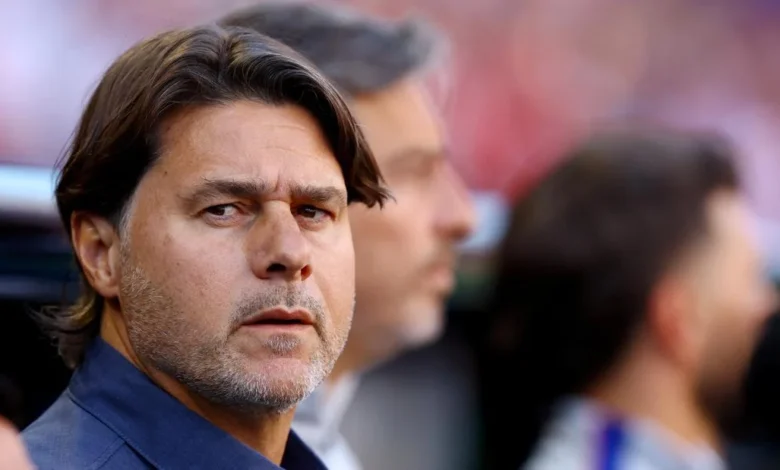
The landscape of English football has shifted dramatically once again as Manchester United officially announced Mauricio Pochettino as their new permanent manager. The former Tottenham Hotspur, Paris Saint-Germain, and Chelsea boss steps into one of the most demanding managerial seats in world football, inheriting a squad mired in an unprecedented crisis. With the club languishing dangerously in the Premier League relegation zone, Pochettino’s immediate remit is clear: stop the bleeding, restore confidence, and engineer an urgent escape from the bottom tier of the table.
However, escaping the immediate threat of relegation is merely the opening chapter of a much larger and more complex rebuilding project. Football analysts, former players, and club insiders agree that for Pochettino to succeed where numerous high-profile predecessors have faltered, the Argentine tactician must be granted absolute autonomy over squad construction and player recruitment. Without structural changes behind the scenes, Old Trafford risks repeating the cyclical failures that have plagued the club for over a decade.
The Official Announcement and Timeline of Transition
The appointment concludes weeks of intense speculation surrounding the managerial vacancy at Old Trafford. According to the official timeline released by the club, Pochettino has formally accepted the position but will officially step foot at the Carrington training ground on November 18.
The delay in his arrival stems from his contractual obligations with the United States Men’s National Team (USMNT), where Pochettino has been serving as head coach. Out of respect for international fixtures and to allow a seamless handover with the U.S. Soccer Federation, Pochettino will complete his remaining scheduled matches with the national side before permanently relocating to Manchester.
In the interim, the club’s coaching staff has been tasked with maintaining day-to-day operations
, though preparations are already underway behind closed doors. Pochettino’s backroom staff is expected to undergo significant restructuring upon his arrival, with trusted lieutenants from his previous managerial stints anticipated to join him in the Northwest. The November 18 arrival date gives the incoming manager precious little time to implement his tactical philosophy before the relentless winter fixture schedule commences, heightening the urgency of his initial weeks in charge.
An Unprecedented Crisis: The Battle Against Relegation
To contextualize the magnitude of Pochettino’s task, one must look at the current Premier League standings—a reality that remains unthinkable for supporters of a club with Manchester United’s history and financial clout. Finding themselves entrenched in the relegation zone at this stage of the campaign represents a historic low point for the twentieth-century powerhouse.
The atmosphere around Old Trafford has grown increasingly toxic, characterized by disconsolate supporters, mounting pressure on the executive board, and a visibly low-morale dressing room. The primary and most crucial objective for Pochettino upon his arrival will be altering this psychological landscape. Relegation battles require a different kind of management compared to title challenges; they demand resilience, defensive solidity, tactical simplification, and an immediate injection of grit.
Statistical analysis of the team’s performances this season highlights glaring deficiencies across all departments. Defensively, the team has conceded goals at an alarming rate, often undone by individual errors, tactical disorganization, and a lack of physical presence in transition. Offensively, despite substantial financial outlays in recent transfer windows, the attacking unit lacks cohesion, fluency, and a reliable cutting edge. Pochettino’s first challenge will be extracting maximum output from an underperforming roster while keeping the club’s ultimate status in the top-flight secured.
The Imperative of Control: Recruitment and Squad Overhaul
While navigating the immediate relegation threat is paramount, football experts have universally stressed that short-term survival must be paired with long-term strategic planning. Central to this strategy is the level of control Pochettino will wield over player acquisitions.
Former Manchester United captain Gary Neville, speaking to Sky Sports News, offered a candid assessment of the structural issues facing the club and the necessary safeguards Pochettino must demand.
"I সম্ভবত expect Mauricio Pochettino has already taken some steps before joining, and I hope he also protects himself in his contract, because he is going to need it," Neville stated. "I am sure he has made it clear that a very large budget is required. In my opinion, he immediately needs a central defender so that Manchester United can get anywhere near the level they want to be at this season."
Neville’s commentary zeroes in on a recurring systemic flaw at Manchester United: the disconnect between the manager’s tactical requirements and the club’s recruitment strategy. Over successive managerial reigns, the club has frequently purchased players who fit commercial profiles or executive whims rather than a unified, cohesive tactical identity.
"The other thing is ensuring he has total control over player recruitment, because it has been abundantly clear that what happened last summer was well below standard once again," Neville added.
For Pochettino, securing autonomy over incoming and outgoing transfers is non-negotiable. Throughout his managerial career—most notably during his tenure at Tottenham Hotspur—Pochettino thrived when working within a clear structural framework that prioritized high-intensity, youthful, and technically proficient players who bought into his philosophy. If Manchester United’s hierarchy grants him the authority to shape the squad, the January transfer window will serve as an essential proving ground for the club’s new era.
Background and Context: Pochettino’s Path to Old Trafford
Mauricio Pochettino’s arrival at Manchester United represents the culmination of a long-standing mutual admiration. The Argentine manager has frequently been linked with the Old Trafford hotseat over the years, with club executives previously eyeing his progressive, high-pressing style of play during his highly praised spell at Tottenham.
During his five-year tenure in North London, Pochettino transformed Spurs into consistent top-four contenders and guided them to the UEFA Champions League final in 2019, all while operating under net-spend restrictions compared to their domestic rivals. His ability to develop young talent, maximize squad depth, and implement a distinct, recognizable tactical identity made him a darling of modern football management.
Subsequent spells at Paris Saint-Germain and Chelsea provided mixed experiences. While he secured domestic silverware in France, the unique political environment of Parisian club football proved restrictive. His stint at Chelsea, though brief, demonstrated his capability to stabilize a turbulent, bloated squad and finish strongly toward the end of the campaign, further burnishing his credentials in the Premier League. Most recently, his appointment as head coach of the United States Men’s National Team was viewed as a major coup for North American soccer ahead of the 2026 FIFA World Cup, making his sudden departure back to club management a seismic development in international sporting circles.
Tactical Outlook and Implementation Challenges
When Pochettino formally takes charge on November 18, he will inherit a squad physically and mentally drained by a disastrous start to the season. Tactically, supporters can expect a shift toward a high-intensity, aggressive pressing system designed to win the ball back in advanced areas and transition with pace.
However, implementing such a demanding physical philosophy mid-season presents inherent risks. Pochettino’s tactical blueprint requires exceptional aerobic capacity, tactical discipline, and absolute psychological commitment. With a congested fixture list featuring domestic league matches and European commitments, finding adequate training ground time to drill these complex tactical automatisms will be one of the new manager’s greatest hurdles.
Furthermore, squad depth remains a critical concern. As Neville highlighted, defensive reinforcements are urgently needed. The current defensive options have proven vulnerable to pace and direct play, exposing the team in defensive transitions. Whether the club’s board is prepared to back Pochettino significantly in the upcoming January transfer window will test their commitment to the long-term project.
Broader Implications and Strategic Analysis
The appointment of Mauricio Pochettino is more than just a managerial change; it is a referendum on Manchester United’s operational structure. For over a decade, the club has cycled through elite managers—each with distinct philosophies—only for them to be swallowed by the institutional inertia of Old Trafford.
By appointing Pochettino, the club is signaling a return to a modern, progressive identity. Yet, history suggests that managerial appointments alone cannot solve structural deficiencies. The ultimate success or failure of this era will not depend solely on Pochettino’s tactical acumen on the training pitch, but on the willingness of the club’s leadership to empower him with total control over football operations, recruitment strategies, and squad trimming.
If the board delivers on these fronts, Pochettino possesses the pedigree, tactical expertise, and psychological resilience required to steer Manchester United away from danger and construct a competitive, sustainable foundation for the future. If, however, old administrative habits persist, the club risks neutralizing yet another world-class managerial talent, deepening a crisis that has tested the patience of millions worldwide.
As the footballing world counts down to November 18, all eyes remain fixed on Manchester. The rescue mission is set to begin, and the margin for error has officially vanished.