Realme Secures Top Spot in Shopee 11.11 Sales Volume While Xiaomi Dominates Market Value in Indonesia

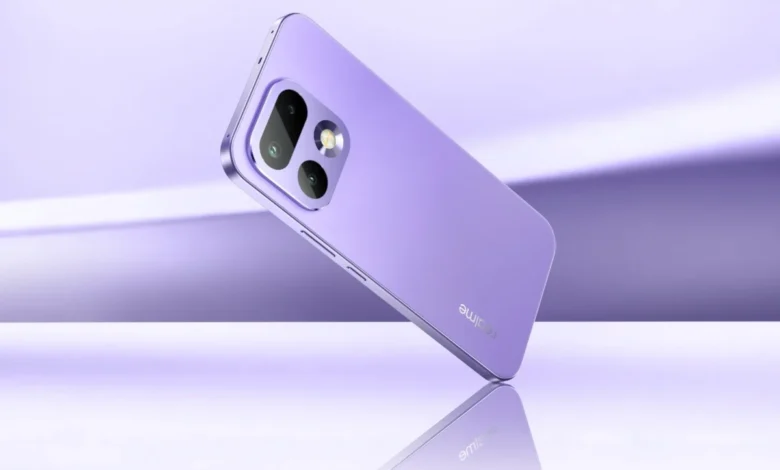
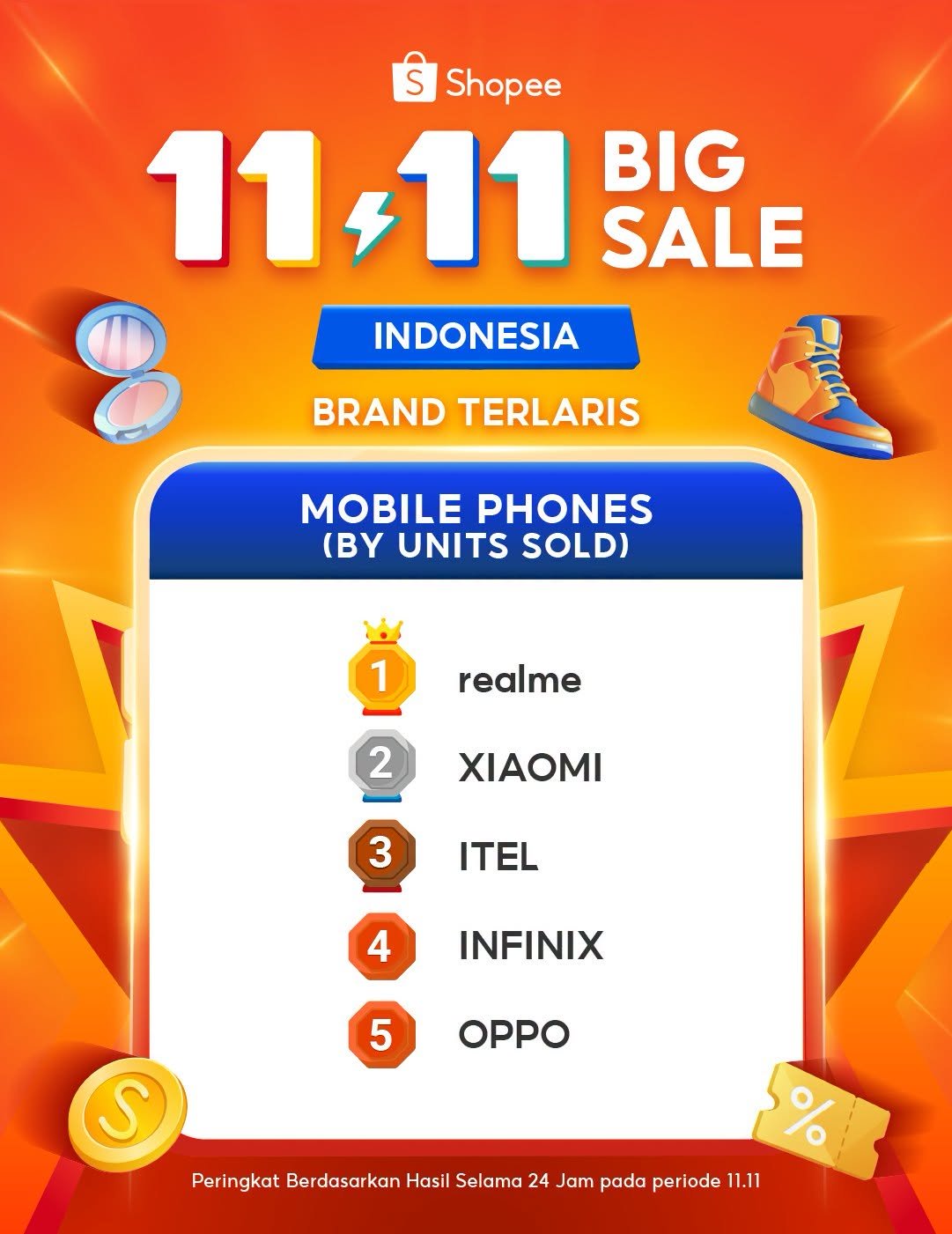
The landscape of Indonesia’s competitive e-commerce sector underwent a significant transformation during the 2026 11.11 Big Sale, as consumer purchasing behaviors signaled a clear preference for value-driven, high-utility mobile technology. Realme emerged as the leader in total unit volume sold during the 24-hour campaign on November 11, 2026, on Shopee Indonesia, outperforming major industry incumbents including Xiaomi, itel, Infinix, and OPPO. This achievement highlights a strategic shift in how mid-range and entry-level smartphone manufacturers are capturing market share through aggressive pricing and battery-centric hardware specifications.
While unit volume serves as a critical metric for market penetration and brand awareness, the financial performance of these manufacturers tells a more nuanced story. According to transaction data released by Shopee, Xiaomi maintained the top position regarding Gross Merchandise Value (GMV), followed by Infinix, OPPO, realme, and Samsung. The disparity between these two rankings underscores a distinct market bifurcation: brands like realme are successfully dominating the high-frequency, budget-conscious segment, while brands with a broader product ecosystem and premium portfolios—such as Xiaomi—continue to capture higher per-transaction spending.
Decoding the Dynamics of the 11.11 E-commerce Phenomenon
The 11.11 festival, historically rooted in "Singles’ Day" in China, has evolved into a global retail anchor point. In Indonesia, the event functions as a primary indicator of year-end consumer sentiment. In 2026, the data indicates that Indonesian consumers have become increasingly calculated in their purchasing journey. Rather than engaging in impulsive spending, the typical buyer now tracks pricing trends throughout the year, waiting for major festival windows to maximize discounts and bundle offers.
Market analysts suggest that the rise of high-capacity battery smartphones, such as the realme P4 series, reflects a broader trend toward "utility-first" consumption. With the proliferation of mobile gaming, continuous streaming, and social media engagement, the average Indonesian user prioritizes longevity over aesthetic premiumization. Consequently, manufacturers that align their product design with these specific performance needs—specifically battery endurance and structural durability—are seeing a higher conversion rate during promotional periods.

The Rise of the P4 Series: A Case Study in Product-Market Fit
Realme’s success during the 11.11 campaign was anchored by its P4 series, specifically the realme P4x and P4 Lite. By positioning these devices with massive battery capacities—8,000mAh for the P4x and 7,000mAh for the P4 Lite—at price points around the IDR 2 million mark, the company effectively addressed the "battery anxiety" that often influences budget-conscious buyers.
Krisva Angnieszca, Public Relations Lead for realme Indonesia, emphasized that the company’s internal metrics suggest a high level of customer satisfaction regarding the hardware’s real-world performance. "This is not merely a ranking exercise for us," Angnieszca stated. "It is a clear signal that the market is actively searching for devices that combine ruggedness with accessible pricing. We designed the P4 series specifically to handle the intensity of modern mobile usage, and the consumer response at 11.11 confirms that this remains a top priority for the youth demographic."
The technical specifications of these devices reflect a strategic attempt to bridge the gap between entry-level prices and mid-range performance. The inclusion of MIL-STD-810H certification and IP64 water-and-dust resistance in the sub-IDR 2.5 million category is an aggressive move. By providing physical durability typically reserved for more expensive handsets, realme has managed to differentiate itself in a saturated market where competition is primarily defined by thin margins and hardware commoditization.
Competitive Landscapes: GMV vs. Unit Volume
The contrast between realme’s volume leadership and Xiaomi’s GMV dominance provides a masterclass in market segmentation. Xiaomi, which holds a vast portfolio ranging from entry-level Redmi devices to the high-end Xiaomi 17 Ultra (priced at nearly IDR 18 million), benefits from a "halo effect." When a consumer enters the ecosystem to buy a budget phone, they are frequently exposed to—and eventually purchase—wearables, home appliances, and accessories, all of which contribute to a higher overall transaction value.
Other market players adopted varying strategies during the 11.11 window. Infinix, for example, focused on performance-driven value with the release of the HOT 70 Pro 5G+, targeting the gaming-heavy user base that requires high-speed connectivity at a competitive price point. Meanwhile, OPPO utilized the event to drive volume for its premium-segment handsets like the A7 Pro Max 5G, leveraging steep discounts to push higher-margin devices into the hands of aspirational consumers.
Performance Across Diverse Electronics Segments
Beyond the competitive arena of smartphones, the 11.11 event revealed shifting preferences in the broader electronics market. The data provided by Shopee indicates that brand loyalty often does not carry over across different product categories:
- Tablets: Huawei emerged as the leader, followed by Xiaomi and Lenovo, suggesting a preference for tablets that serve both productivity and multimedia consumption.
- Computers & Laptops: ASUS solidified its reputation as the market leader in the laptop segment, maintaining a substantial lead over Acer, HP, and Axioo.
- Monitors: The visual display market is currently dominated by Xiaomi, reflecting the brand’s success in selling high-refresh-rate monitors at competitive price points.
- Small Appliances: Philips maintained its stronghold in the home appliance sector, though it faces increasing pressure from budget-focused brands like Samono and Simplus.
- Mobile Accessories: Goojodoq and UGREEN dominated the peripheral market, indicating that consumers are increasingly investing in third-party quality accessories to complement their primary device purchases.
This segmentation reinforces the reality that in a mature e-commerce market, brand dominance is becoming increasingly fragmented. Consumers are no longer buying exclusively from a single "super-brand" but are instead curating their home setups by selecting the best-performing brand for each specific category.
Economic Implications and Future Outlook
The success of the 11.11 campaign serves as a bellwether for the Indonesian retail economy heading into 2027. The ability of companies to move large volumes of hardware at specific price tiers suggests that disposable income remains resilient in the middle-class segment, provided that the value proposition is clear.
For realme, the challenge now shifts from capturing market share to maintaining it. With the upcoming Payday Promo scheduled for November 25–28, 2026, the company is doubling down on its "value-driven" strategy. By offering consistent discounts of up to 30% on its core portfolio, realme intends to sustain the momentum gained during the 11.11 window.
However, the long-term sustainability of this volume-first approach remains a subject of debate. As component costs fluctuate and inflationary pressures mount, maintaining profitability while keeping retail prices low will require significant operational efficiency. The industry is currently watching to see if manufacturers will continue to sacrifice margin for volume or if they will begin to pivot toward higher-margin, feature-rich devices to sustain their financial health in the coming fiscal year.
Conclusion: A Strategic Shift
The 11.11 2026 shopping festival has provided a comprehensive snapshot of the Indonesian mobile market. Realme’s ascension to the top of the unit sales chart is a testament to its understanding of the local consumer’s desire for durable, long-lasting hardware. Simultaneously, the success of Xiaomi in the GMV category reminds us that the market is equally driven by aspirational purchases and a holistic ecosystem approach.
As we look toward the end of the year, the battle for the Indonesian consumer’s attention will likely intensify. With manufacturers now armed with granular data on what products sold best during the 11.11 window, the upcoming holiday season and early 2027 product launches are expected to be defined by even more aggressive promotions, deeper integration of hardware and software, and a continued focus on the specific needs of the younger generation. The digital marketplace in Indonesia is no longer just a place to buy; it is a competitive arena where brand survival is dictated by the ability to balance technical innovation with the economic realities of the modern consumer.
Related posts: