Azrul Ananda Resists Pressure to Sack Bernardo Tavares Amid Persebaya Surabaya Mid-Season Struggles

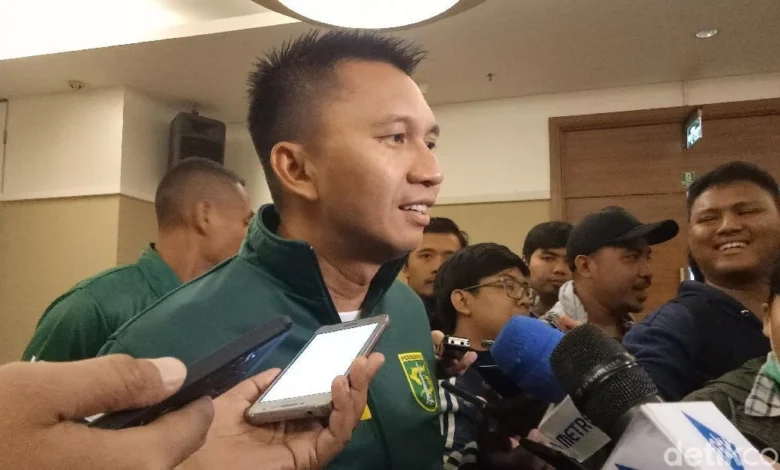
The landscape of Indonesian football is known for its high-pressure environments, where passionate fan bases often demand immediate results and swift managerial changes following a minor slump in form. This reality has once again come to the forefront at one of the country’s most historic clubs, Persebaya Surabaya. Following a turbulent run of performances in the Super League 2026/2027 season, the club’s management has faced mounting pressure from vocal sections of the supporters to dismiss head coach Bernardo Tavares. However, in a firm and candid statement, Persebaya CEO Azrul Ananda has rejected these calls, defending the technical team and questioning the supportive nature of certain fan segments during challenging sporting moments.
The current friction highlights a broader cultural and financial debate within modern Indonesian football: the evolving relationship between club management, economic realities, and fan influence. While supporters remain the emotional heartbeat of clubs like Persebaya, leadership structures are increasingly prioritizing long-term sporting stability and financial sustainability over reactive decision-making. As the Green Force navigates the middle phase of the ongoing campaign, the club’s hierarchy is attempting to balance competitive aspirations with the psychological toll that social media pressure and stadium hostility can inflict on a squad trying to find its rhythm.
Current Standing and On-Field Performance Analysis
Persebaya Surabaya currently finds itself positioned eighth in the Super League 2026/2027 standings after completing nine matches. The club has accumulated 13 points, courtesy of three victories, four draws, and two defeats. While a mid-table placement after nearly a third of the season may feel underwhelming for a club of Persebaya’s stature, the mathematical reality of the league table suggests that panic is premature.
The gap between the Surabaya-based club and the current league leaders stands at a manageable eight points. With more than 20 matches remaining in the grueling domestic calendar, the title race remains wide open, and the mathematical probability of climbing into the upper echelons of the table is entirely feasible. Football analysts point out that mid-season dips are common, particularly for squads balancing high expectations and physical fatigue.
Yet, the frustration among fans stems largely from the stark contrast between pre-season expectations and current realities. Persebaya entered the 2026/2027 season wrapped in an aura of optimism. The club finished the previous campaign in a respectable fourth place, signaling steady upward momentum under the club’s developmental framework. This positive trajectory was further amplified by a successful transfer window that brought in several high-caliber players, alongside the high-profile appointment of tactical strategist Bernardo Tavares.
The optimism reached a fever pitch during the pre-season build-up when Persebaya captured the prestigious Piala Presiden 2026 trophy. Lifting the pre-season silverware solidified the Green Force’s status among pundits and supporters alike as legitimate contenders for the Super League championship. Consequently, when the team encountered early-season turbulence and dropped points against lower-ranked opponents, the psychological descent from championship favorites to mid-table contenders proved jarring for the fan base, triggering widespread demands for accountability.
The Psychology of Social Media and Historical Precedents
In the digital era, football clubs are continuously exposed to the unfiltered scrutiny of social media platforms. Platforms like X, Instagram, and TikTok have transformed into digital stadiums where hashtags demanding managerial sackings can trend within hours of a disappointing draw or defeat. Persebaya’s official channels have been flooded with commentary questioning the tactical acumen of Bernardo Tavares and demanding structural changes within the coaching staff.
This reactionary environment contrasts sharply with the club’s historical approach to managerial changes. Persebaya has a precedent of parting ways with head coaches midway through campaigns when results failed to meet expectations. In previous seasons, prominent tacticians such as Alfredo Vera, Djadjang Nurdjaman, and Aji Santoso were relieved of their duties before the completion of their respective contracts, driven heavily by mounting pressure from the stands and executive boardrooms.
However, Azrul Ananda’s recent stance signals a deliberate shift away from this historical pattern. By publicly backing Tavares, the CEO is attempting to shield the technical team from external noise, signaling that the board values continuity over reactionary disruption. Azrul argues that yielding to digital pressure sets a dangerous precedent that undermines long-term project planning and player development.
Financial Realities and the Changing Role of Matchday Revenue
Addressing the media regarding the financial ecosystem of the club, Azrul Ananda provided a reality check concerning the actual economic impact of matchday attendance on modern football club operations. Speaking during the official team launch event at the Surabaya City Hall, Azrul detailed the financial breakdown of club funding.
"When the team was launched at Balai Kota Surabaya, I explained the proportion of supporter funding in the club. Even if stadium attendance is high, ticket sales account for a maximum of 20 percent of the total team budget," Azrul stated in an official release.
The statement challenges the romanticized notion that gate receipts remain the primary financial lifeblood of professional football clubs. In an era dominated by corporate sponsorships, television broadcasting rights, digital monetization, and strategic partnerships, matchday revenue plays a secondary, albeit still important, role in balancing a club’s ledger.
Azrul went further, offering a stark assessment of how contemporary football has shifted regarding home-field advantages and fan behavior. "In the current era, a team playing without spectators can actually be safer because the advantage of having supporters is no longer a distinct differentiator. Especially if the supporters instead act to assist the opponent by continuously disrupting the peace and longevity of the club," he added.
This commentary addresses a sensitive nerve within Indonesian football culture: the fine line between passionate support and toxic interference. While passionate chants and choreographies are celebrated, hostile environments created by home supporters—such as throwing objects, directing abuse at players and coaching staff, or organizing protests outside training facilities—can create a counterproductive atmosphere that psychologically drains the squad.
The Broader Implications of Supporter Activism
The ongoing friction at Persebaya Surabaya serves as a microcosm of a broader ideological struggle within Indonesian football administration. As clubs strive to modernize, professionalize, and align with international governance standards, the traditional ultra-culture frequently clashes with corporate executive philosophies.
Azrul Ananda’s critique did not pull punches when evaluating the motivations of certain vocal factions within the fan base. He questioned whether the persistent criticism stems from a genuine understanding of the club’s long-term interests or from a desire for personal validation and digital influence within supporter communities.
"I have said it before, and I will reiterate it: the only thing that can truly destroy Persebaya is its own supporters. It just depends on whether the supporters are smart enough to understand that condition, or if they are simply groups seeking recognition and existence. What needs to be saved and celebrated: Persebaya or its supporters?" Azrul questioned rhetorically.
This philosophical clash raises crucial questions about accountability, loyalty, and partnership in sports. Club management contends that true loyalty involves standing by the team during transitional phases and supporting the technical staff through tactical adjustments. Conversely, active supporter groups often view their role as the ultimate check and balance against perceived stagnation, believing that vocal dissent is a necessary tool to enforce high performance standards.
Outlook for the Remainder of the 2026/2027 Season
As Persebaya Surabaya prepares for the upcoming fixtures in the Super League 2026/2027, the spotlight remains firmly fixed on Bernardo Tavares and his squad. The backing from the CEO provides the Portuguese coach with a vital shield of job security, allowing him to focus on tactical refinements, squad rotation, and psychological recovery following recent setbacks.
Football experts note that maintaining managerial stability during a crisis often yields better long-term dividends than panic-driven dismissals. Tavares possesses a proven track record in Southeast Asian football, known for his ability to organize defensive blocks, maximize player potential, and instill tactical discipline. If the squad can integrate their new signings more fluidly and capitalize on the remaining twenty-plus matches of the season, the current eight-point deficit to the summit is far from insurmountable.
Nevertheless, the psychological barrier within the home stadium remains an obstacle to overcome. For Persebaya to mount a serious challenge for the title or secure a top-three finish, a reconciliation of sorts—or at least a truce—between the disgruntled segments of the fan base and the club management will be vital. Creating a unified environment where players feel secure rather than scrutinized is paramount for high-level athletic performance.
Ultimately, the unfolding situation at Persebaya Surabaya serves as a litmus test for the maturity of modern Indonesian football. It tests the resilience of management under fire, the tactical patience of coaching staffs, and the capacity of supporters to evolve alongside the professional demands of the sport in the 21st century. Whether the Green Force can transform this period of internal friction into fuel for a championship charge will depend heavily on how unity is forged between the boardroom, the touchline, and the terraces in the weeks and months to come.