Tragic Railway Incidents Shake Commuters as Teen is Dragged by KRL in Serpong and Pedestrian Struck in Surabaya Highlight Urgent Rail Safety Concerns

Safety protocols across Indonesia’s transportation infrastructure faced renewed scrutiny following a tragic sequence of railway accidents on Friday, November 17, 2023. In two separate, unrelated incidents occurring within hours of each other, a teenager lost their life after being dragged by a KRL Commuterline at Serpong Station in South Tangerang, Banten, while a 46-year-old pedestrian was fatally struck by a train in Wonokromo, Surabaya, East Java. These sobering events have reignited public discourse regarding commuter vigilance, platform safety, and the persistent hazards of pedestrian trespassing near active rail corridors.
Chronology of the Serpong Station KRL Incident
The incident at Serpong Station unfolded during the evening rush hour, a time characterized by high passenger density and bustling platform activity. At approximately 5:30 PM Western Indonesia Time (WIB), Commuter Line train KA 1773—operating on the Parung Panjang to Tanah Abang route—was approaching the station.
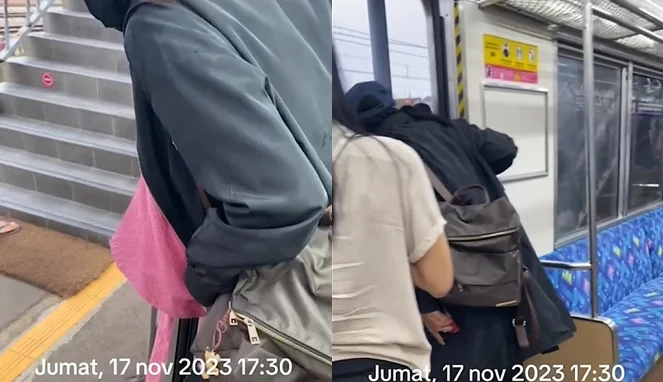
According to eyewitness accounts and subsequent video footage that circulated rapidly across social media platforms, including the rail enthusiast account @jalur5, a group of teenagers had been congregating near the platform edge. The victim, whose identity has been withheld out of respect for the grieving family, was reportedly engaged in lighthearted conversation and joking with peers as the train pulled in. Despite pre-existing safety warnings and audible station announcements, the group allegedly failed to maintain a safe distance behind the yellow safety line—a designated boundary designed to keep commuters clear of the dynamic envelope of passing trains.
Preliminary investigations suggest that the victim’s hand inadvertently brushed against the side of the incoming JR 205 series KRL train. The sudden contact unbalanced the teenager, causing them to slip into the narrow gap between the platform edge and the moving carriage. The force of the passing train dragged the victim before they fell onto the tracks.
Station security and railway personnel responded swiftly, administering emergency first aid at the scene. Witnesses noted that the victim exhibited faint signs of life immediately following the extraction. However, due to the severity of the trauma sustained, the teenager succumbed to their injuries before advanced medical intervention could be administered. The harrowing aftermath of the accident was captured by passengers looking out from the train windows, fueling viral discussions online about platform safety awareness.
Simultaneous Tragedy in Surabaya: The Wonokromo Crossing Fatality
While emergency responders were managing the aftermath in South Tangerang, a parallel tragedy occurred over 700 kilometers away in Surabaya, East Java. At approximately 4:00 PM WIB on the same day, a fatal accident occurred at the railway crossing located at Jalan Ahmad Yani No. 16 in the Wonokromo district.
The victim was identified as a 46-year-old resident with the initials D, a native of Dukuh Kramat, Jajar Tunggal village, within the Wiyung sub-district of Surabaya. According to local witnesses and reports from the field, the victim was walking directly along the active railway tracks. Railway crossing guards and nearby residents had reportedly shouted warnings and attempted to alert the man to the impending danger as the Dhoho local train approached.

Tragically, the warnings came too late. The Dhoho train struck the victim, dragging him several meters past the point of impact. Due to the catastrophic nature of his injuries, the man died instantly at the scene. Local authorities and emergency services secured the area, covering the remains before transporting them to Dr. Soetomo Regional General Hospital (RSUD Dr. Soetomo) for formal identification and post-mortem examination.
The Broader Implications of Rail Transit Safety in Indonesia
These back-to-back fatalities highlight ongoing vulnerabilities within Indonesia’s expanding mass transit and railway networks. As urbanization accelerates and daily commuter volumes surge—particularly along high-density arteries like the Jabodetabek (Jakarta, Bogor, Depok, Tangerang, Bekasi) KRL network and regional East Java lines—maintaining strict adherence to safety regulations remains a monumental challenge for operators and authorities alike.
Railway safety experts emphasize that platform-train interfaces (PTIs) are inherently hazardous zones. The physics of heavy rail transport dictate that trains require significant braking distances, and their kinetic energy creates powerful aerodynamic suction and lateral displacement forces that can destabilize unsuspecting individuals standing too close to the edge.
In response to previous incidents, PT Kereta Commuter Indonesia (KCI) and PT Kereta Api Indonesia (KAI) have continuously rolled out enhanced preventative measures. These initiatives include the installation of clearer tactile paving, reinforced yellow boundary lines, automated warning sirens, and increased deployment of platform security personnel tasked with monitoring crowd behavior. However, as the Serpong incident demonstrates, human factors—such as momentary distractions, peer interactions, fatigue, and complacency—frequently override physical and verbal safeguards.
Similarly, unauthorized pedestrian trespassing along open rail tracks, as witnessed in the Surabaya case, remains a leading cause of railway fatalities nationwide. Despite legal prohibitions and physical barriers such as fences along high-risk corridors, communities often cross tracks informally to shorten travel times, underestimating the speed and quietness of modern locomotive operations.
Official Responses and Preventive Recommendations
Following the events of November 17, transportation authorities and railway operators have reiterated their calls for heightened public vigilance. Transport safety advocates urge commuters to adopt a zero-tolerance approach to platform distractions. Essential safety guidelines emphasized by operators include:
- Strict Adherence to Boundary Lines: Passengers must remain behind the yellow safety line at all times until the train has come to a complete, stationary stop and the doors are fully open.
- Elimination of Distractions: The use of mobile devices, engaging in horseplay, or running on platforms should be strictly avoided near active tracks.
- Mind the Gap: Commuters should exercise caution when boarding and alighting, paying close attention to the horizontal and vertical distance between the train carriage and the platform edge.
- Respect for Level Crossings: Pedestrians and motorists must never attempt to cross active tracks when warning signals are active or when a train is approaching, regardless of whether a physical barrier is fully lowered.
As investigations into both the Serpong and Surabaya incidents conclude, the families of the victims are left to mourn, and the broader community is reminded of the unforgiving nature of heavy rail transit. Stakeholders across the transportation sector continue to evaluate whether additional engineering controls, such as platform screen doors (PSDs) utilized in modern metro systems, could eventually be integrated into commuter rail stations to mitigate the risk of accidental falls and platform strikes entirely. Until such infrastructural enhancements become widespread, the onus rests heavily on individual mindfulness and unwavering compliance with established transit safety protocols.