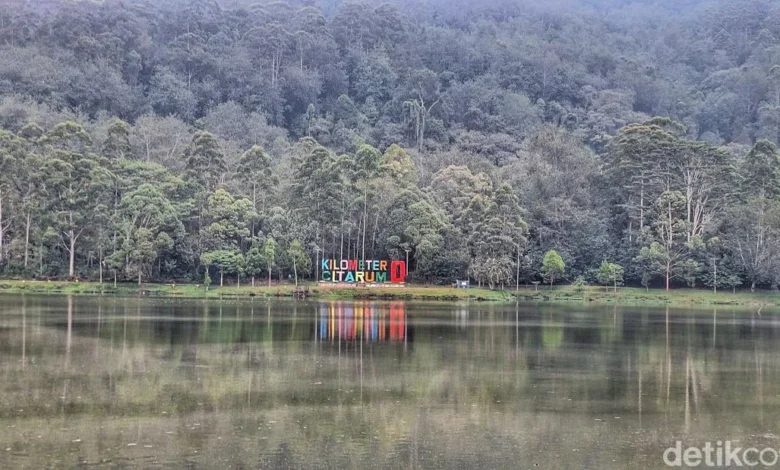
Deep within the lush, verdant canopy of the Kertasari District in Bandung Regency, West Java, lies a sanctuary of ecological and cultural significance. At the foot of Mount Wayang rests Situ Cisanti, a five-hectare reservoir that serves as the legendary "Kilometer Zero" of the Citarum River. While the river is often internationally cited for the challenges of pollution in its downstream reaches, the headwaters at Situ Cisanti remain a pristine testament to the vital necessity of watershed conservation. This site is not merely a geographic origin point; it is a spiritual and literal lifeline for millions of residents across West Java who depend on the river’s nearly 300-kilometer journey to the Java Sea.
The Origins of a Vital Watershed
The formation of the modern Situ Cisanti is a relatively recent development in the region’s long history, though its geological and hydrological importance predates human infrastructure by centuries. According to Atep Permana, the site’s traditional custodian, the area was once a sprawling natural wetland nestled at the base of Mount Wayang. In the early 2000s, the Indonesian government undertook an initiative to formalize the water catchment area, culminating in the construction of the reservoir between 2001 and 2002.
While the engineering of the reservoir is contemporary, the sanctity of the springs that feed it has been protected by local families for generations. Atep Permana, who acts as the primary guardian of the site, notes that the naming and management of the water sources were conducted in consultation with local elders who understood the intricate balance of the mountain ecosystem. The site functions as a catchment bowl, gathering water from seven distinct primary springs: Citarum, Cikahuripan, Cikoleberes, Cihaniwung, Cisadane, Cikawudukan, and Cisanti. These collective sources coalesce into the headwaters that eventually feed the Citarum River, a vital artery of Indonesian industry and agriculture.
A Convergence of Seven Sacred Springs
The seven springs are more than just water sources; they represent a complex cultural philosophy that binds the local community to their environment. Each spring carries a specific traditional meaning intended to guide human behavior and ethical conduct:
- Citarum: Derived from the concept of "harum" (fragrant), it serves as a reminder for humans to live in a way that leaves a positive, "fragrant" legacy through communal prayer and harmony.
- Cikahuripan: Translating to "water of life," this spring emphasizes the necessity of maintaining the biological and spiritual conditions for existence.
- Cikoleberes: Representing the need for "beres" or order, this spring encourages individuals to resolve personal conflicts and maintain clarity in their daily affairs.
- Cihaniwung and Cisadane: These springs serve as a dual reminder to balance earthly pursuits with spiritual preparation for the afterlife, cautioning against excessive materialism.
- Cikawudukan: This spring warns against "keras hati" or hardening of the heart, advising against harboring envy, resentment, or malice.
- Cisanti: The final spring, which gives the lake its name, represents the ultimate "tranquility" found when one successfully integrates the lessons of the previous six sources into their character.
Historical and Archaeological Significance
Beyond its ecological role, Situ Cisanti is embedded with the cultural heritage of West Java. Local lore identifies the site as a petilasan—a historical site of significance—associated with the legends of Prabu Siliwangi, the king of the Pajajaran Kingdom, and the historic figure Dipatiukur. Some visitors and researchers have noted the presence of stone formations within the springs that are believed by some to bear the footprint of the ancient king. While these claims remain rooted in traditional belief and local folklore, they contribute to the site’s status as a protected cultural landscape where traditional customs and environmental preservation are inextricably linked.
The Challenge of Sustainability and Conservation
The preservation of the Citarum headwaters is a critical component of broader national efforts to restore the river’s health. Historically, the Citarum River has suffered from severe industrial and domestic pollution as it flows through urban areas. However, the water quality at the Situ Cisanti source remains exceptionally high. Atep Permana emphasizes that the water at the source is currently potable, a condition he attributes to the strict adherence to local customs that prioritize the protection of the forest canopy and the sanctity of the water source.
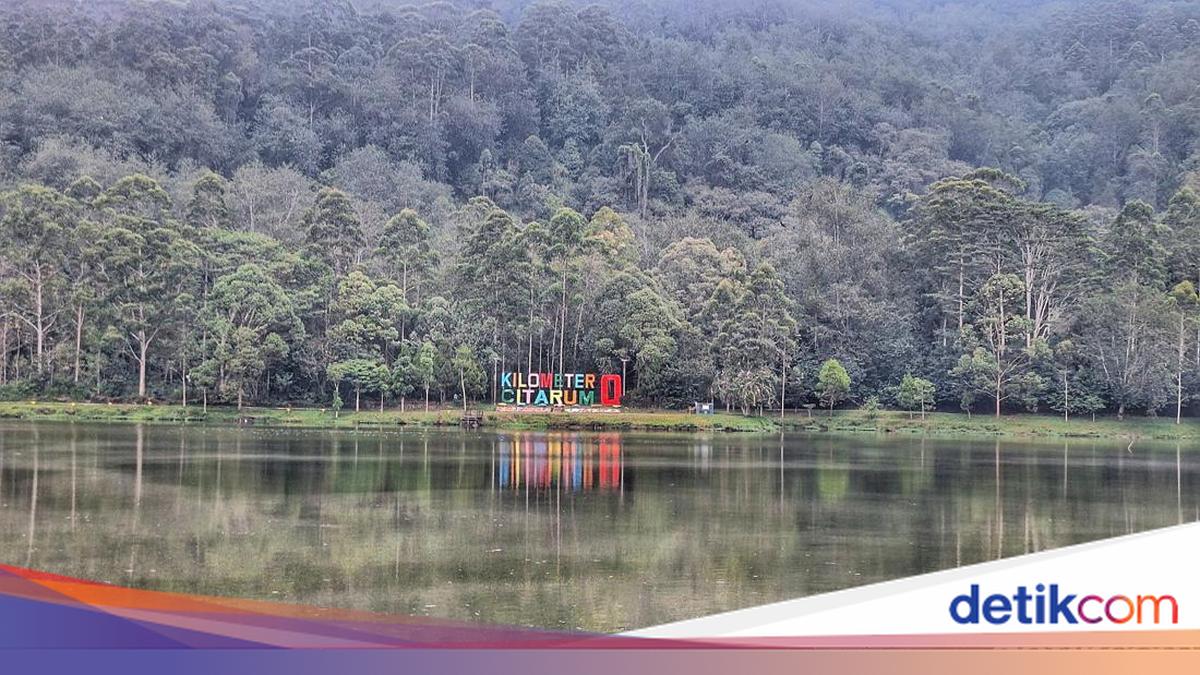
From a scientific perspective, the maintenance of the Kertasari watershed is essential. The vegetation surrounding Mount Wayang acts as a natural sponge, regulating water discharge into the reservoir and preventing sedimentation. Environmentalists have long argued that the model of community-based forest management, as practiced at Situ Cisanti, is the most effective strategy for ensuring the long-term viability of the Citarum River.
Chronology of Development
- Pre-2001: The area exists as a natural wetland and forest catchment zone, protected by local indigenous families and traditional laws.
- 2001–2002: The government initiates the formal construction of the Situ Cisanti dam to regulate water supply and mitigate downstream flooding risks.
- 2002–Present: The site is managed as both a hydrological reservoir and a center for eco-tourism and cultural preservation.
- Ongoing: Continuous efforts by local communities, supported by regional government agencies, are focused on reforestation and water quality monitoring to ensure the river remains clean from its inception.
Broader Implications for Water Security
The implications of the stewardship at Situ Cisanti extend far beyond the borders of Bandung. As the primary source for the Citarum, the protection of this site is a matter of national water security. The Citarum River feeds irrigation systems for thousands of hectares of rice paddies, generates electricity through three major hydroelectric dams (Saguling, Cirata, and Jatiluhur), and provides water for the industrial hubs of West Java and the capital region.
When the headwaters are threatened by deforestation or encroachment, the downstream effects are catastrophic, manifesting as increased flood risks and diminished water quality. Therefore, the "guardianship" practiced by individuals like Atep Permana is not merely a cultural tradition; it is a functional environmental strategy. The integration of local philosophy—which treats water as a living entity that requires respect—has proven to be a more durable protection mechanism than bureaucratic enforcement alone.
Moving Forward: The Legacy of Stewardship
The future of Situ Cisanti relies on the delicate balance between the growing demand for tourism and the necessity of ecological preservation. As more people discover the site, the pressure on the landscape increases. To mitigate this, local authorities and community leaders have focused on education, ensuring that visitors understand the site’s dual identity as a tourist destination and a sacred watershed.
The practice of visiting the site during special occasions, such as the month of Maulud, serves as an opportunity for the community to reinforce their commitment to the environment. During these times, the focus remains on gratitude to the Creator and the recognition that the river is a gift that must be passed down to future generations in a pristine state. By treating the Citarum not as a commodity but as a vital part of the cultural and physical landscape, the people of Kertasari provide a template for how other regions in Indonesia might approach their own water conservation challenges.
In conclusion, Situ Cisanti remains a powerful symbol of the potential for harmonious coexistence between humanity and nature. While the journey of the Citarum River toward the Java Sea is fraught with the complexities of modern development and environmental degradation, the purity of its start offers a glimmer of hope. It serves as a reminder that with intentional, tradition-based management and a deep-seated respect for the environment, it is possible to maintain the purity of life-giving water, ensuring that the "fragrant" legacy of the river can continue for generations to come.
Related posts: