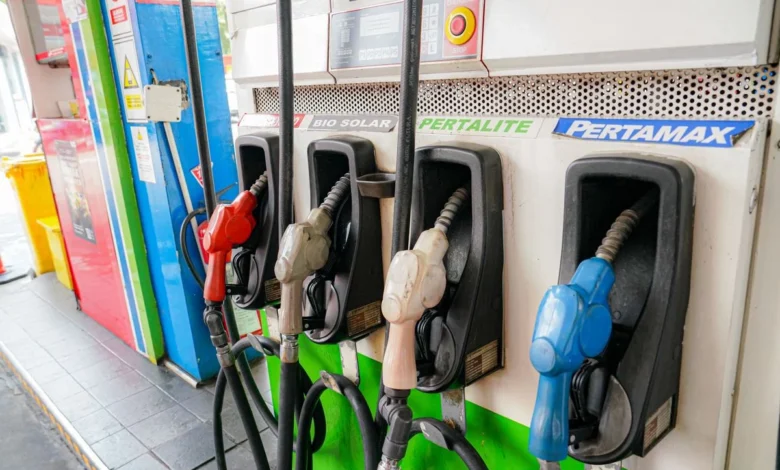
The fuel retail market in Indonesia remains in a state of equilibrium as of Tuesday, October 27, 2026, with major operators including state-owned Pertamina and private distributors such as Shell, BP, and Vivo Energy maintaining their current pricing structures. Following a series of global market fluctuations earlier in the fiscal year, this period of price stability provides a brief respite for consumers and logistics sectors that have been navigating the volatility of international oil prices.
As of this morning, motorists across the archipelago can access various fuel grades at prices that reflect the latest adjustments made by the Ministry of Energy and Mineral Resources (ESDM) and corporate pricing strategies. This report outlines the current landscape of the retail fuel market, the factors contributing to these price points, and the broader economic implications for the Indonesian consumer.
Current Retail Price Breakdown
The fuel market is segmented into subsidized and non-subsidized categories, with distinct pricing strategies employed by both the state entity and private sector players.
Pertamina’s Price Schedule
Pertamina continues to serve as the primary provider for both subsidized and non-subsidized fuel. As of October 27, 2026, the prices remain unchanged:
- Subsidized Fuels: Pertalite (RON 90) remains fixed at Rp10,000 per liter, while Biosolar (Diesel) is maintained at Rp6,800 per liter. These prices are heavily supported by government subsidies to shield the lower-middle-class economy from global price spikes.
- Non-Subsidized Gasoline: Pertamax (RON 92) is priced at Rp15,950 per liter, Pertamax Green (RON 95) at Rp19,150 per liter, and the high-performance Pertamax Turbo (RON 98) at Rp19,600 per liter.
- Non-Subsidized Diesel: Dexlite is currently trading at Rp23,700 per liter, while the premium Pertamina Dex is listed at Rp25,200 per liter.
Private Sector Offerings: Shell, BP, and Vivo
Private retailers, which primarily cater to the premium segment of the market, have also kept their prices steady to remain competitive with Pertamina’s high-octane offerings.
- Shell: The international oil giant reports that V-Power Diesel is currently retailing at Rp25,420 per liter.
- BP: BP’s product lineup includes BP 92 at Rp16,130 per liter, BP Ultimate at Rp19,330 per liter, and BP Ultimate Diesel at Rp25,420 per liter.
- Vivo Energy: Vivo continues to maintain its competitive stance, with Revvo 92 at Rp16,130 per liter, Revvo 95 at Rp19,330 per liter, and Diesel Primus at Rp25,420 per liter.
Economic Context and Global Oil Price Dynamics
The stability of fuel prices in late October 2026 is largely attributed to the relative cooling of the Brent Crude oil benchmark. Over the past three months, global supply chains have seen a degree of stabilization following the supply disruptions that dominated the first half of the year.
Energy analysts observe that the government’s decision to maintain these price points is a strategic move to manage inflation. Fuel prices in Indonesia possess a "pass-through" effect; when fuel costs rise, the transportation and logistics costs for essential goods—such as food and building materials—inevitably follow. By keeping fuel prices constant, the government aims to maintain national purchasing power during the final quarter of the year.
The Role of Global Benchmarks
The Indonesian government typically evaluates the Mean of Platts Singapore (MOPS) and the Indonesian Crude Price (ICP) when determining whether to adjust domestic fuel prices. While international tensions often threaten these price points, the current exchange rate of the Rupiah against the US Dollar has remained within a manageable corridor, preventing the need for an emergency upward revision of fuel prices.

Chronology of Recent Price Adjustments
To understand the current status, one must look at the trajectory of the 2026 fiscal year:
- Q1 2026: Significant volatility in global markets forced a slight upward adjustment in non-subsidized fuel prices across all major retailers in January and February.
- Q2 2026: A period of sustained high prices led to intense public debate regarding the sustainability of the subsidy budget. The government responded by optimizing the distribution of subsidized fuel through the MyPertamina digital platform.
- Q3 2026: Market stabilization began in July, allowing for a minor reduction in some premium diesel prices, which helped logistics companies manage their operational expenditures.
- October 2026: The current state of "wait-and-see" reflects an anticipation of end-of-year global energy demand. Industry experts suggest that unless a major geopolitical disruption occurs in the Middle East or Eastern Europe, prices are likely to remain flat through the remainder of the year.
Official Stance and Regulatory Oversight
The Ministry of Energy and Mineral Resources (ESDM) remains the ultimate authority in setting the price ceiling for subsidized fuels. Their communication strategy emphasizes transparency, regularly publishing updates to ensure that consumers are not subjected to price gouging by independent retailers.
While private companies like Shell, BP, and Vivo are permitted to set their own prices based on operational costs and global market indices, they are required to report these changes to the ministry. This regulatory oversight ensures that while there is competition, it remains within the framework of national economic stability.
Broader Impact on the Transportation and Logistics Sector
The transportation sector remains the most sensitive to these price points. For fleet operators, fuel accounts for approximately 30% to 40% of total operating expenses. The current stability is a welcome development for the logistics industry, which has been working to digitize supply chains and improve fuel efficiency.
Implications for the Consumer
For the average Indonesian household, the stability of Pertalite at Rp10,000 per liter is a vital economic anchor. As the nation approaches the holiday season at the end of the year, consistent fuel prices allow for better household budgeting. However, economists caution that while fuel prices are stable, the indirect impact of past hikes continues to be felt in the cost of services and manufactured goods.
Analysis: The Path Forward
The sustainability of the current fuel pricing structure depends on three primary factors:
- Global Oil Supply: The output policies of OPEC+ remain the single most influential factor. Any sudden decision to cut production will likely force an upward shift in domestic fuel prices.
- Fiscal Budget Allocation: The Indonesian government has allocated a significant portion of the State Budget (APBN) for energy subsidies. The ability to maintain these subsidies hinges on the country’s tax revenue performance and economic growth targets.
- Energy Transition Policy: There is an increasing push toward electric vehicle (EV) adoption and the use of biofuels (such as B40 and beyond). While these policies do not immediately change the price of fossil fuels, they represent a long-term strategy to reduce the nation’s dependence on volatile imported petroleum.
Conclusion
As of October 27, 2026, the retail fuel landscape in Indonesia is characterized by stability and predictability. Motorists are encouraged to monitor official updates from the ESDM and the respective websites of fuel providers to stay informed about any potential shifts in the coming months. For now, the combination of government fiscal prudence and a steady global oil market provides a stable foundation for the nation’s economic activities, allowing businesses and consumers alike to navigate the final months of the year with relative confidence.
As the industry looks toward the end of the year, stakeholders will continue to monitor the intersection of domestic demand, geopolitical trends, and energy policy. For the consumer, the immediate reality is one of consistent pricing at the pump, a factor that remains central to the broader health of the Indonesian economy.