Exploring the Fascinating World of Animals Beginning with the Letter F and Their Ecological Significance

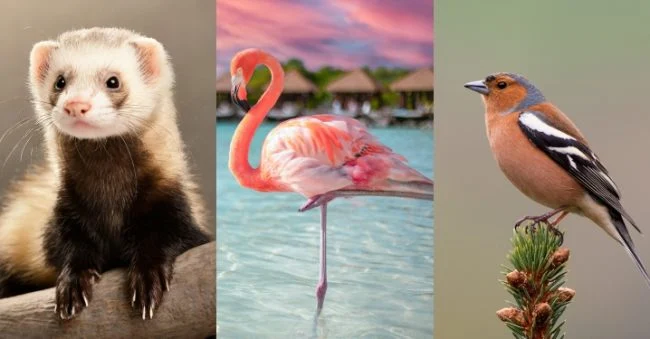
The study of zoological taxonomy often provides an engaging lens through which to examine the biodiversity of our planet. When analyzing species categorized by their nomenclature, the letter "F" represents a diverse array of organisms, ranging from apex predators and highly specialized marine life to critical pollinators and elusive forest dwellers. Understanding these creatures requires more than just memorization; it demands an appreciation for their evolutionary adaptations, their roles within their respective ecosystems, and the anthropogenic challenges currently threatening their survival. By examining species such as the Fennec fox, the peregrine falcon, and the Fossa, we gain insight into the intricate balance of natural selection and the ongoing efforts in global wildlife conservation.

The Evolutionary Resilience of Desert and Aerial Specialists
Among the most iconic animals beginning with the letter F is the Fennec fox (Vulpes zerda). Native to the Sahara Desert in North Africa, this nocturnal mammal serves as a prime example of evolutionary adaptation to extreme arid environments. Its most distinctive features—ears that can reach up to 15 centimeters in length—serve dual purposes: they are highly sensitive to the low-frequency sounds of insects and small rodents moving underground, and they act as efficient radiators to dissipate body heat, preventing overheating during peak desert temperatures. Data from the International Union for Conservation of Nature (IUCN) suggests that while the species is currently listed as "Least Concern," habitat fragmentation and illegal pet trade remain persistent, albeit manageable, threats.

In contrast to the terrestrial endurance of the Fennec fox, the Falcon (Falconidae) represents the pinnacle of aerial speed and predatory efficiency. The Peregrine falcon, in particular, holds the record as the fastest animal on the planet, capable of reaching speeds exceeding 386 km/h (240 mph) during its characteristic high-speed hunting dive, known as a stoop. Ornithological research indicates that the falcon’s physiological adaptations—such as specialized nasal tubercles that regulate airflow and nictitating membranes that protect the eyes—allow it to function effectively at high velocities. Historically, the species faced near-extinction in the mid-20th century due to the widespread use of organochlorine pesticides like DDT, which thinned eggshells. The subsequent banning of these chemicals serves as a landmark case study in successful wildlife conservation policy, demonstrating how legislative intervention can reverse critical population declines.

Aquatic Wonders and Marine Biodiversity
The aquatic environment hosts several significant species beginning with the letter F, most notably the Flamingo and the Flounder. Flamingos, primarily found in the tropical and subtropical regions of Africa, South America, and parts of Europe, offer a compelling study in biological pigmentation. Contrary to popular belief, flamingos are born with grey or white plumage. Their signature pink or reddish hue is acquired through the consumption of beta-carotene-rich crustaceans and algae. From an ecological perspective, their habit of standing on one leg has been the subject of extensive biomechanical research; scientists hypothesize that this behavior reduces muscular effort and helps regulate body temperature by minimizing heat loss through the legs in water.

Equally fascinating is the Flounder, a bottom-dwelling flatfish that exemplifies extreme morphological adaptation. During its transition from a larval state to adulthood, one eye migrates across the head to the other side, allowing the fish to lie flat on the ocean floor while maintaining a binocular field of vision. Furthermore, the flounder possesses specialized chromatophores that allow it to alter its skin color and pattern to match the texture and tone of the seabed. This form of crypsis is essential for both ambush predation and protection against larger marine predators.

Predators and Pollinators: The Fossa and the Flying Fox
In the dense, unique ecosystems of Madagascar, the Fossa (Cryptoprocta ferox) stands as the island’s largest mammalian carnivore. Often misidentified as a member of the feline family, the Fossa is actually related to the mongoose. Its anatomical structure, characterized by semi-retractable claws and highly flexible ankles, allows it to navigate the canopy with remarkable agility, descending trees head-first. As the primary predator of lemurs, the Fossa plays a crucial role in maintaining the population dynamics of the Malagasy forest. However, with a total population estimated at fewer than 10,000 individuals, the species is classified as "Vulnerable," facing significant pressure from deforestation and retaliatory killings by local communities protecting livestock.

Meanwhile, the Flying Fox (Pteropus)—the world’s largest species of bat—serves as an indispensable ecological agent. Unlike microbats, which rely on echolocation, Flying Foxes utilize highly developed visual and olfactory senses to locate fruit, nectar, and pollen. They are keystone species in many Southeast Asian and Australian rainforests; by traveling long distances and dispersing seeds, they facilitate forest regeneration. Environmental biologists note that the loss of these bats would result in a catastrophic decline in plant diversity, as many tropical tree species depend entirely on them for pollination. Despite their ecological value, many Flying Fox species are currently threatened by hunting for bushmeat and the loss of roosting sites.

The Global Scope of Biological Conservation
The list of animals starting with F extends to smaller yet equally complex creatures, such as the Fire Salamander (Salamandra salamandra) and the Finch. The Fire Salamander, characterized by its striking yellow-and-black warning coloration, serves as a biological indicator of forest health. Its presence in European ecosystems is closely tied to water quality and humidity levels. Similarly, the study of Finches was central to Charles Darwin’s development of the theory of evolution by natural selection during his voyage to the Galápagos Islands. The variation in their beak shapes, adapted to specific food sources on different islands, remains one of the most cited examples of adaptive radiation in evolutionary biology.

The inclusion of the Fugu (pufferfish) in this analysis highlights the intersection of biology and human culture. Known for the presence of tetrodotoxin—a potent neurotoxin found in its liver and ovaries—the Fugu is a delicacy in Japan that requires rigorous culinary certification to prepare. This species underscores the defensive strategies of marine life; the fish’s ability to inflate its body with water when threatened is a classic example of mechanical defense against predation.

Implications for Environmental Policy
The conservation status of the species discussed herein varies from "Least Concern" to "Vulnerable" or "Endangered," reflecting the broader state of global biodiversity. The primary drivers of population decline for these animals—habitat destruction, climate change, and poaching—are symptomatic of larger systemic issues in land management and wildlife trafficking.

According to reports from the World Wildlife Fund (WWF), the protection of these species requires a multi-faceted approach. First, the preservation of critical habitats (such as the Madagaskar rainforests for the Fossa or the tropical roosts for the Flying Fox) is paramount. Second, international cooperation is necessary to regulate the trade of exotic species and the consumption of threatened animals. Finally, scientific research into the unique physiological traits of these animals continues to provide breakthroughs in areas ranging from bio-engineering (inspired by the camouflage of the Flounder) to environmental monitoring (using the presence of Fire Salamanders to assess water purity).

In summary, exploring the diversity of animals starting with the letter F offers more than just a linguistic exercise. It provides a window into the complex biological mechanisms that sustain life on Earth. Each of these species, whether a high-speed raptor or an island-endemic carnivore, contributes to the resilience of their respective biomes. As human activity continues to exert pressure on global ecosystems, the responsibility to understand, value, and protect these diverse species becomes an imperative for maintaining the environmental integrity of the planet for future generations. Through informed conservation efforts and a commitment to biological research, the delicate balance of these unique animal populations can be preserved against the encroaching threats of the modern era.
Related posts: