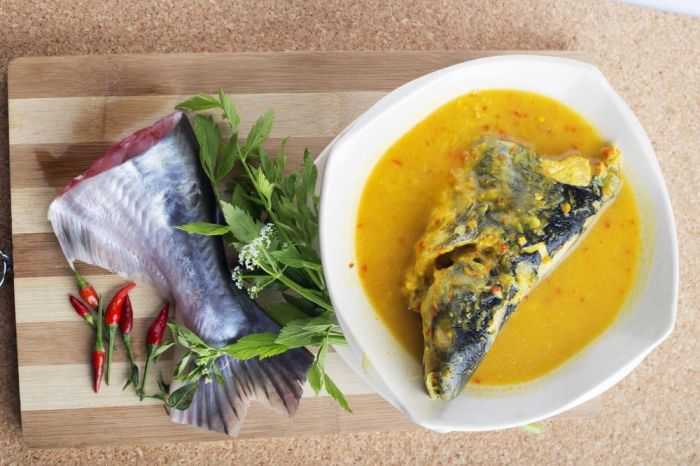
The culinary landscape of Indonesia is as diverse as its archipelago, yet few dishes command as much regional loyalty and historical significance as the Gulai Ikan Patin of Jambi. Often described as the "Indonesian curry," this dish serves as a gastronomic ambassador for the province of Jambi, representing a unique fusion of river-based sustenance and the sophisticated use of indigenous fermentation techniques. As a staple of the local diet and a must-try for culinary tourists, the dish offers a complex flavor profile that distinguishes it from the thicker, coconut-heavy curries found in other parts of Sumatra.
Historical Context and Cultural Significance
The prevalence of Ikan Patin (silver catfish) in Jambi is inextricably linked to the geography of the region. The Batanghari River, the longest river in Sumatra, has served as the lifeblood of Jambi’s civilization for centuries. The silver catfish, a freshwater fish known for its tender, fatty meat and lack of fine bones, thrives in the murky, nutrient-rich waters of this river system.
Historically, the development of Gulai Ikan Patin was a response to the need to preserve fish and mask the natural "muddy" scent that often characterizes freshwater species. This led to the innovation of using tempoyak—a traditional condiment made from fermented durian flesh. The acidity of the fermented durian acts as a natural preservative and a potent deodorizer, transforming the fish into a culinary masterpiece. Over time, as the dish gained prominence in both royal households and local communities, it evolved into a symbol of Jambi’s identity, celebrated during festivals, weddings, and official government functions.
The Science of Flavor: Tempoyak vs. Coconut Milk
At the heart of the debate regarding the "authentic" recipe for Gulai Ikan Patin is the choice between tempoyak and coconut milk. The traditional, rustic version relies heavily on tempoyak. The fermentation process of the durian creates a tangy, acidic, and slightly savory base that cuts through the rich, buttery fat of the catfish.

In contrast, the more modern or "palatable" version for those unaccustomed to the pungent aroma of fermented durian substitutes coconut milk (santan). Coconut milk provides a creamy, milder profile that mellows the intensity of the fish. Culinary experts often note that while the coconut milk version is more accessible to a global palate, the tempoyak version is the true representation of Jambi’s agricultural heritage. Often, local chefs will incorporate supplementary ingredients such as fresh pineapple or cucumber slices to balance the acidity and provide a refreshing crunch, effectively rounding out the dish’s flavor profile.
Detailed Preparation Methodology
To prepare an authentic Gulai Ikan Patin, the process must be meticulous to ensure the fish remains intact and the spices are fully integrated. The preparation can be divided into five critical phases:
- Fish Preparation: The catfish must be cleaned thoroughly, with particular attention to removing the blood line along the spine to eliminate any fishy odor. A common technique involves marinating the fish in lime juice and a pinch of salt for 15 minutes before rinsing, which firms the flesh and prepares it to absorb the broth.
- Spice Base (Bumbu): The foundation consists of shallots, garlic, red chilies, turmeric (essential for the signature yellow hue), galangal, and lemongrass. These are traditionally ground using a stone mortar and pestle to release the essential oils, though modern kitchens often utilize food processors.
- The Broth (Kuah): The aromatics are sautéed until fragrant, after which the tempoyak or coconut milk is added. The liquid must be brought to a gentle simmer—never a rolling boil, as this may cause the coconut milk to separate or the fish to disintegrate.
- Incorporation: The fish is added to the simmering liquid. Because catfish is delicate, it requires a short cooking time, typically between 10 to 15 minutes. Overcooking the fish will result in a mushy texture that ruins the dining experience.
- Final Adjustment: The seasoning is adjusted with salt and, occasionally, a small amount of palm sugar to balance the acidity of the tempoyak.
Economic and Tourism Implications
For the city of Jambi, the culinary sector is a significant economic driver. The ubiquity of Gulai Ikan Patin in local eateries—from roadside stalls (warung) to upscale restaurants—creates a decentralized economic model where the supply chain involves local fishermen, durian farmers, and spice traders.
Tourism data from the Jambi Department of Tourism indicates that "culinary tourism" accounts for approximately 30% of visitor expenditures in the city. The dish has become a branding tool for the province, frequently featured in national culinary competitions and cultural festivals. By positioning the dish as an "iconic culinary treasure," the local government has successfully attracted domestic travelers who view the consumption of authentic Gulai Ikan Patin as an essential component of the Jambi experience.
Analysis: Sustainability and Challenges
Despite its popularity, the production of Gulai Ikan Patin faces modern challenges. The primary concern is the environmental sustainability of the Batanghari River. Increased sedimentation, industrial runoff, and overfishing have periodically impacted the quality and availability of wild-caught Ikan Patin. To mitigate this, many local restaurants have shifted toward aquaculture-raised catfish. While this ensures a steady supply, some culinary purists argue that the taste profile of farm-raised fish differs slightly from the wild variety, which feeds on the natural organic matter of the river.
Furthermore, the process of making tempoyak is seasonal, as it depends on the durian harvest. This scarcity has led to price fluctuations for the dish during the off-season. However, the adaptability of the recipe—allowing for the substitution of coconut milk—has provided a necessary buffer for restaurant owners, ensuring that the dish remains available year-round.
Comparative Culinary Perspectives
When compared to other Indonesian curries, such as the Minangkabau Gulai or the Gulai of North Sumatra, the Jambi variant stands out for its lack of heavy spices like coriander or cumin. Instead, the focus remains on the interplay between the fish’s natural oils and the sharp, acidic profile of the fermentation. This minimalist approach to spicing highlights the importance of the quality of the raw ingredients.
Professional chefs who have experimented with the dish suggest that the secret lies in the patience of the cook. The "acid-fat" balance is a sophisticated concept that mirrors high-end European culinary techniques, where a fatty protein is paired with an acidic element to cleanse the palate. By using tempoyak, Jambi’s ancestors effectively mastered this balance centuries ago.
Conclusion
Gulai Ikan Patin is more than just a recipe; it is a narrative of Jambi’s relationship with its environment. It serves as a reminder that regional cuisine is often the result of geographical necessity, creative adaptation, and cultural preservation. As the global interest in Southeast Asian cuisine continues to grow, the story of this humble catfish curry serves as a compelling case study for how traditional dishes can evolve while retaining their core identity. For those traveling to Sumatra, seeking out a bowl of this golden-yellow broth is not merely a meal; it is an engagement with a living tradition that continues to define the heart of Jambi. Whether served in a modest river-side shack or a refined city establishment, the dish remains a testament to the enduring appeal of Jambi’s culinary heritage.