The Untouched Serenity of Wohkudu Beach: A Hidden Gem in Gunungkidul’s Southern Coast

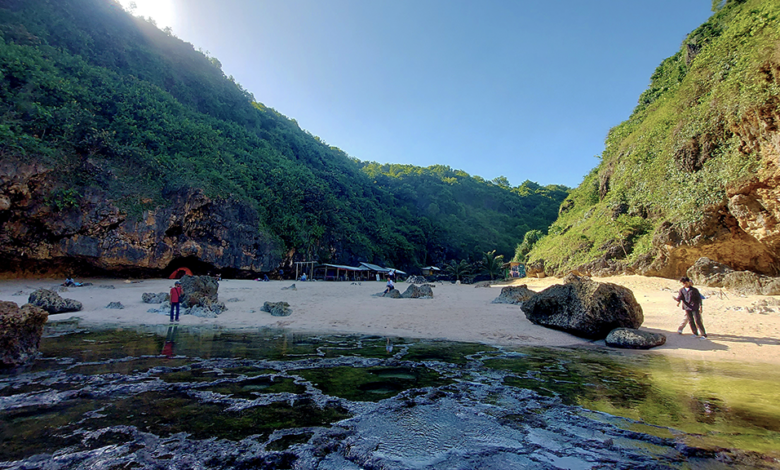
Nestled along the rugged and picturesque southern coast of Gunungkidul, Yogyakarta, lies Wohkudu Beach, a sanctuary of tranquility that offers a stark contrast to the more bustling tourist hubs of the region. This secluded cove, characterized by its limited mobile network signal and the dramatic embrace of towering cliffs, has emerged as a compelling destination for travelers seeking an escape from the digital noise and the crowds. The absence of pervasive cellular service, often perceived as a drawback, is precisely what many visitors champion as the beach’s most profound allure, fostering an environment conducive to genuine disconnection and mental rejuvenation.
Location and Geographical Significance
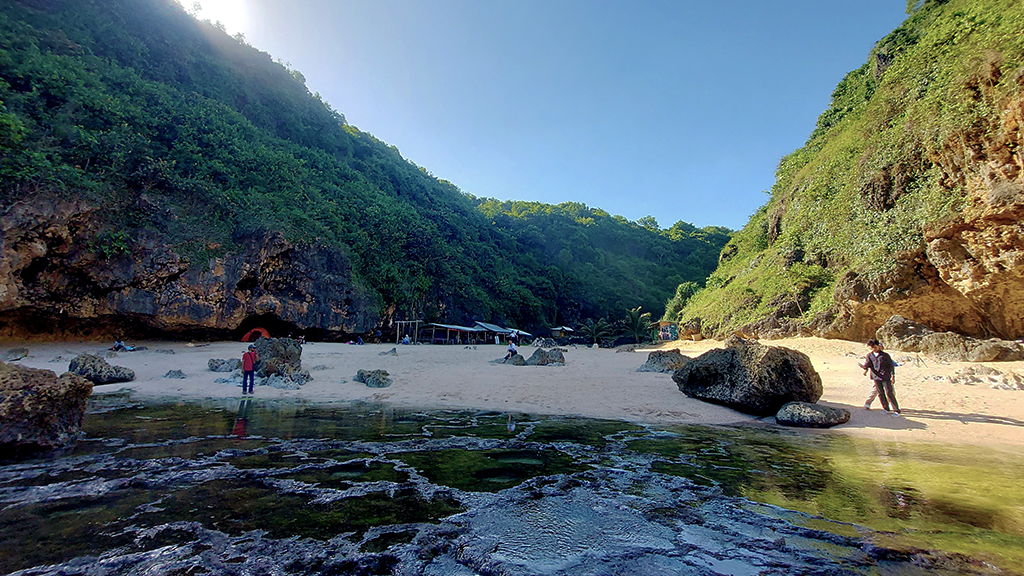
Wohkudu Beach is precisely situated in Wiloso Hamlet, also referred to as Wiroso, within Girikarto Village, Panggang District, Gunungkidul Regency, Special Region of Yogyakarta. Its location places it within the expansive and geologically rich southern coastal belt of Gunungkidul, an area renowned for its dramatic karst landscapes and a plethora of hidden beaches. Geographically, Wohkudu is more accurately described as a small, intimate bay rather than an expansive stretch of coastline. Its shoreline measures a modest 20 to 25 meters, dramatically flanked by imposing coral cliffs that rise approximately 20 meters on either side. This unique geological formation imbues Wohkudu with a distinctive character, setting it apart from the more elongated beaches typical of the Gunungkidul coastline. The strategic placement of these cliffs not only shapes the beach’s visual appeal but also plays a crucial role in its microclimate, offering natural shelter from strong winds.
Proximity to Other Coastal Attractions
For those exploring the southern coast, Wohkudu Beach offers a compelling adjacent destination to the more widely recognized Pantai Kesirat, also known as Tanjung Kesirat. The two beaches are located a mere 1 to 3 kilometers apart, making them a convenient and popular pairing for a single day’s excursion. Visitors often combine a trip to the more accessible Kesirat with a venture to Wohkudu to experience contrasting coastal environments. While Kesirat may offer a more vibrant atmosphere suitable for leisurely afternoons, Wohkudu provides the sought-after serenity and natural immersion for profound relaxation. This complementary pairing allows travelers to curate a diverse itinerary, experiencing both the popular and the secluded facets of Gunungkidul’s coastal beauty within a single visit.
Accessibility: A Journey of Two Stages
The journey to Wohkudu Beach is an integral part of its appeal, characterized by a two-stage access process that filters out casual crowds and rewards those seeking a more authentic experience.
The initial stage involves navigating a narrow, single-lane asphalt road that winds through the characteristic hilly terrain of Gunungkidul. This section is accessible to both motorcycles and cars, though caution is advised due to its winding nature and limited illumination, particularly as dusk approaches. Drivers must be attentive to the sharp ascents and descents inherent to the region’s topography.
The second and more defining stage of access requires a trek from the designated parking area to the beach itself. This segment spans approximately 500 to 600 meters and typically takes between 10 to 20 minutes on foot. The path is a well-trodden, rocky trail that descends towards the coast, flanked by dense shrubbery and interspersed with stands of teak trees. Along this route, visitors may encounter a small, simple intersection with directional signage, emphasizing the need for careful observation to avoid missteps.
The total travel time from Yogyakarta City to Wohkudu Beach is approximately 1 to 2 hours by road, covering a distance of roughly 42 kilometers. For travelers originating from iconic landmarks like Malioboro Street, the estimated travel time increases to between 2 to 2.5 hours of driving, excluding the trekking time. Therefore, a realistic total time commitment from Malioboro to reaching the beach’s sandy shores is around 2.5 to 3 hours. The typical route involves heading towards Panggang via Jalan Imogiri Barat or Jalan Wonosari, followed by navigation towards Girikarto Village. The serpentine nature of the roads necessitates travelers to be well-rested and ensure their vehicles, particularly brakes and tires, are in optimal condition due to the frequent steep gradients.
Entrance Fees and Associated Costs
Access to Wohkudu Beach involves a nominal entrance fee, alongside charges for vehicle parking. Additional fees may apply for visitors intending to camp on-site. These costs are generally considered budget-friendly, particularly when compared to the more developed and commercially managed beaches like Indrayanti or Baron. However, it is crucial to note that exact figures are subject to change based on local management policies. Visitors are advised to carry sufficient cash, as electronic payment options may not be widely available. Upon arrival, confirming the current rates with local officials or parking attendants at the entry point or parking area is the most reliable approach.
The Camping Experience: An Unforgettable Immersion
Camping at Wohkudu Beach stands out as a primary draw for many visitors, offering an unparalleled opportunity to connect with nature. The beach features a naturally flattened grassy area just before the sand, an ideal spot for pitching tents. Some enthusiasts opt to set up camp directly on the sand, closer to the water’s edge, to fully immerse themselves in the rhythmic sound of the waves throughout the night.
The protective embrace of the flanking cliffs significantly mitigates the impact of strong winds, providing a relatively secure environment for camping compared to more exposed coastal locations. For those wishing to enjoy a bonfire, bringing firewood is essential. The combination of the soothing sounds of the ocean and a canopy of stars creates a rare and memorable experience that many other beaches seldom offer.
Essential to a successful camping trip at Wohkudu is thorough preparation. Visitors must ensure they have complete camping equipment and an adequate supply of food and drinking water. The availability of warungs (small local eateries) in the vicinity is limited, and their operating hours are not always extended into the night. Group camping necessitates a clear division of responsibilities, with designated individuals responsible for carrying tents, cooking equipment, and other essential supplies to avoid duplication or omissions.
Natural Beauty and Unique Attractions
Despite its compact size, Wohkudu Beach boasts pristine white sand that creates a striking visual contrast against the verdant hues of the surrounding coral cliffs. The beach’s intimate scale and relatively low visitor numbers contribute to a palpable sense of privacy, making it feel like a personal discovery. During low tide, the rocky crevices along the shoreline reveal a miniature ecosystem teeming with marine life, including crabs, snails, starfish, and sea urchins. The eastern section of the beach is a favored spot for local anglers, who are known to catch fresh lobsters from these waters.
The sunset at Wohkudu is a particularly sought-after spectacle, offering photographers and travelers alike a dramatic backdrop. The silhouettes of the twin cliffs frame the descending sun, enhancing the theatricality of the scene. This unique combination of towering cliffs, fine white sand, and the open sea makes Wohkudu an aesthetically rich location, perfect for capturing captivating photographs and curating visually appealing social media feeds.
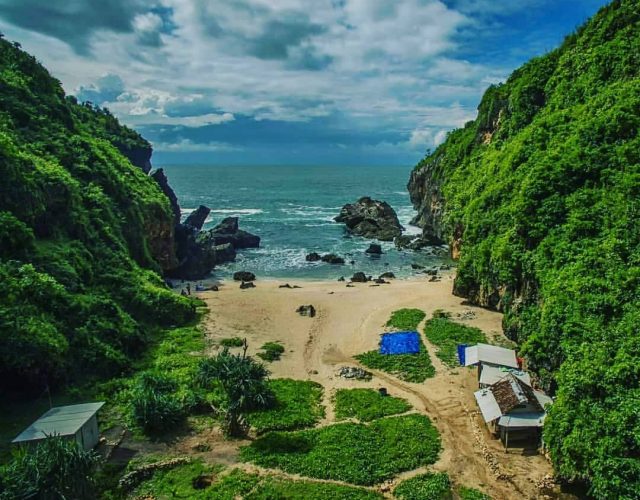
A crucial safety advisory for visitors is to refrain from swimming in the main beach area due to the significant wave action and the rocky seabed. Enjoying the ambiance from the shore or wading in the shallow areas is the recommended way to interact with the water.
Facilities and Visitor Feedback
While Wohkudu Beach was historically characterized by minimal facilities, its infrastructure has seen gradual improvements. Visitors can typically expect to find basic toilet facilities, a small prayer area (mushola), a managed parking space overseen by local residents, and a few small warungs offering snacks and simple meals like fried rice. However, it is important to manage expectations, as the facilities are not comparable to those found at larger, more established beaches such as Baron or Indrayanti. Therefore, carrying personal provisions, including food and beverages, remains a highly recommended practice, regardless of the amenities available upon arrival.
Visitor reviews consistently highlight the tranquil, natural, and uncrowded atmosphere of Wohkudu Beach. The primary points of feedback that deviate from this positive sentiment often relate to the challenging nature of the trekking path, particularly when the ground is damp, and the comparatively limited facilities when juxtaposed with more popular tourist destinations.
Practical Advice for Visiting Wohkudu Beach
To ensure a smoother and more enjoyable experience at Wohkudu Beach, prospective visitors are advised to consider the following practical tips:
- Navigation: Directional signs pointing towards the beach can be small and easily missed, especially after the intersection at Panggang. Drivers should reduce speed and remain vigilant for all road signs encountered.
- Illumination: Given the limited lighting in the surrounding areas and the potential for extended stays, especially for camping, bringing personal lighting sources such as flashlights or headlamps is highly recommended.
- Food and Provisions: Reliance on local warungs for meals should be approached with caution, as their availability and operating hours can fluctuate. Carrying sufficient personal food supplies is the most reliable strategy.
- Fishing Equipment: For those interested in fishing, particularly for lobster in the eastern cliff area, bringing personal fishing gear is necessary, as rental services are not available.
- Return Journey: The return trek from the beach to the parking area involves ascending the same 500-600 meter path that was previously a descent. This uphill climb is more physically demanding than the initial walk down. Visitors are advised to conserve energy and avoid exhausting themselves with excessive photo opportunities upon arrival.
- Cliff Navigation: Accessing the cliffs for photography or fishing presents a narrow, steep, and potentially slippery path, especially after rain or in the morning dew. Only individuals experienced with such terrain should attempt to ascend.
- Environmental Responsibility: Visitors are strongly encouraged to bring their own trash bags and ensure they leave no waste behind. Maintaining the beach’s pristine condition is a collective responsibility, preserving its natural beauty for future visitors.
Conclusion: A Haven for Disconnection and Natural Appreciation
Wohkudu Beach is not a destination for those seeking luxury or extensive amenities. Its appeal lies precisely in its limitations, its challenging access, and its profoundly natural ambiance. For travelers yearning for a seaside camping experience offering a high degree of privacy or a tranquil escape from the urban hustle, Wohkudu Beach stands as a prime candidate for inclusion in any itinerary for a trip to Gunungkidul. By preparing physically, packing essential gear, and embracing the journey, visitors can fully immerse themselves in the unique experience of sunset between the twin cliffs that define this remarkable small beach.