The Tale of Otanaha Fortress: Unraveling Myths and Unveiling Gorontalo’s Historical Gem

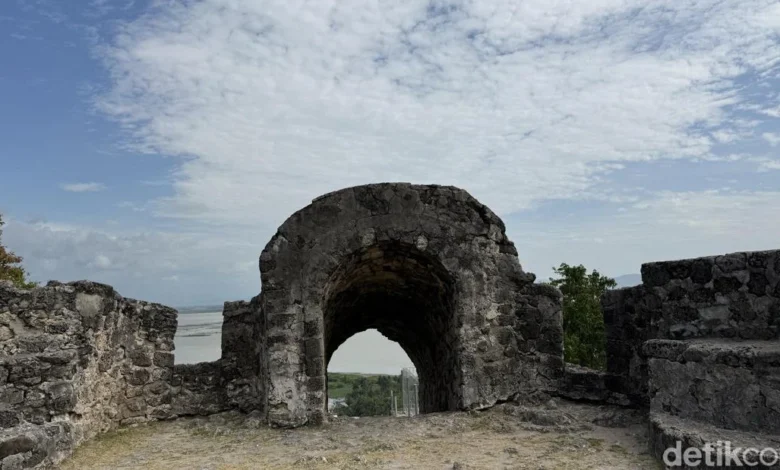
Gorontalo, Indonesia – Beyond its famed maritime allure, the Indonesian province of Gorontalo boasts a significant historical treasure recognized as a cultural heritage site: the Otanaha Fortress. This ancient stronghold, steeped in legend, has long been the subject of captivating narratives, most notably the persistent claim that its very structure was cemented with egg whites from the endemic maleo bird. While this intriguing tale adds a layer of mystique, closer examination and historical research reveal a more complex, yet equally fascinating, construction reality.
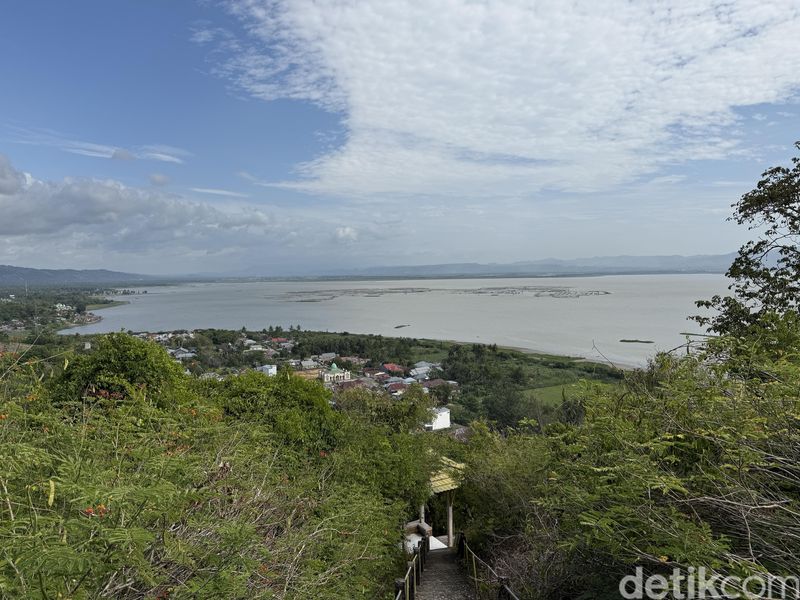
Nestled on a scenic hillside in Dembe I, West City, Gorontalo City, the Otanaha Fortress offers not only a journey through time but also breathtaking panoramic views of the serene Limboto Lake. Its strategic location underscores its historical importance as a defensive outpost and observation point. The fortress complex, in fact, comprises three distinct cylindrical structures: Benteng Otanaha, Benteng Otahiya, and Benteng Ulupahu. Each of these fortifications stands as a testament to a pivotal period in Gorontalo’s past, shaped by alliances, conflicts, and the enduring legacy of its royal lineage.
The Genesis of the Fortresses: A Portuguese Alliance and Royal Legacy
The origins of the Otanaha Fortress complex trace back to the early 16th century, a period marked by burgeoning European maritime trade and exploration in the archipelago. Historical records and local accounts suggest the construction of these formidable structures began around 1522. This era saw the arrival of Portuguese traders and explorers in Gorontalo’s waters. According to prevailing narratives, Raja Ilato, the ruler of the Gorontalo kingdom at the time, forged an alliance with the Portuguese. This pact was driven by mutual interests: the Portuguese sought safe harbor and potential trading opportunities, while Raja Ilato required assistance in combating the persistent threat of piracy that plagued the region’s vital sea lanes.
Arief Setiawan, the custodian of the Otanaha Fortress from the Gorontalo Cultural Preservation Office, elaborated on the historical context during a recent visit by detikTravel. "This fortress was built in 1525 under the initiative of Raja Ilato, in collaboration with the leader of a Portuguese ship that stopped in Gorontalo’s waters," Setiawan explained. "Thus, these three fortresses were constructed as defensive structures, for security, and also for enhanced monitoring."
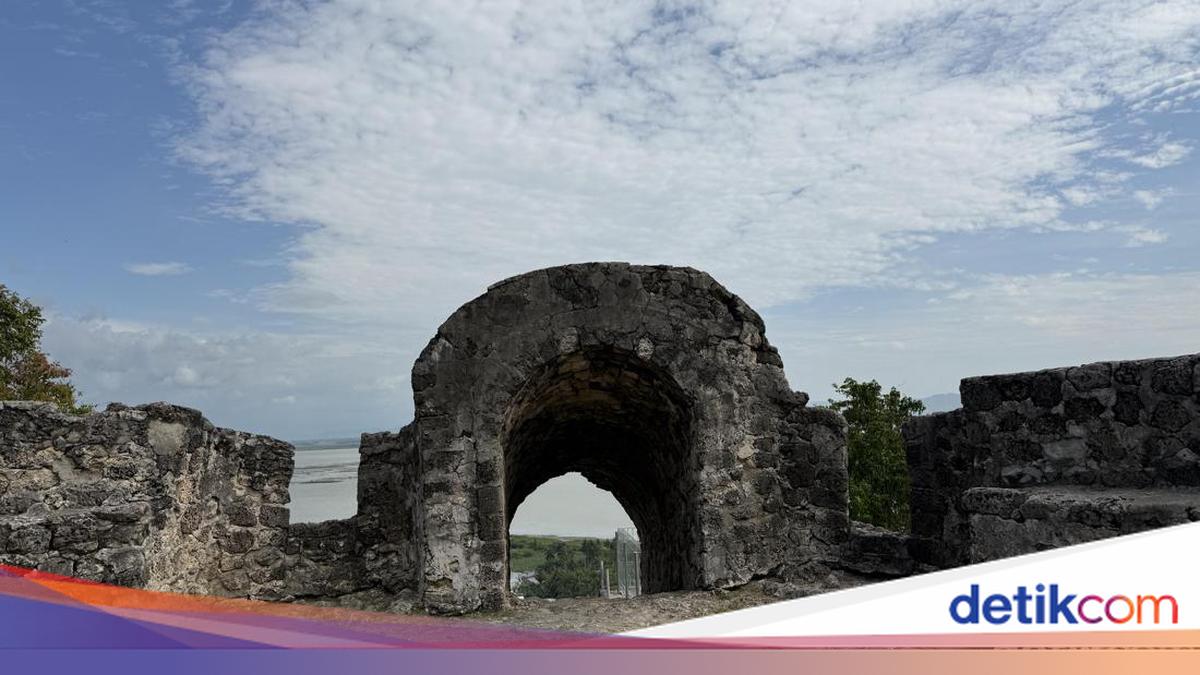
The strategic placement of the three fortresses, each facing a different direction, was designed to maximize their surveillance capabilities and defensive effectiveness against potential invaders approaching from various vectors. This architectural foresight highlights the pragmatic approach taken in their design, prioritizing functionality and security in a volatile geopolitical landscape.
Unraveling the Namesake: A Royal Family’s Enduring Memory
The distinctive names of the three fortresses – Otanaha, Otahiya, and Ulupahu – are not arbitrary but are deeply rooted in the rich history of Raja Ilato’s royal family. These names serve as a perpetual memorial to their courage, their sacrifices, and their contributions to the kingdom’s stability.
The narrative centers around Raja Ilato’s son, Naha, a prince renowned for his adventurous spirit and his role in the kingdom’s affairs. It is said that Naha eventually rediscovered these fortresses. Following his marriage to Ohihiya and the birth of their two sons, Pahu and Limono, Naha became embroiled in a conflict with a rival, Hemuto, in an effort to expand the kingdom’s territory. Tragically, during this fierce battle, both Naha and his son Pahu lost their lives. The mantle of retaliation fell upon Limono, who, fueled by the loss of his father and brother, successfully defeated Hemuto and avenged his family.
To immortalize the valor and sacrifices of his lineage, the three fortresses were subsequently named. "Otanaha" derives its name from Naha. "Otahiya" is a tribute to his mother, Ohihiya. And "Ulupahu" honors his brother, Pahu. This intricate naming convention underscores the profound familial bonds and the deep respect the Gorontalo people hold for their ancestral heroes.
The Egg White Myth Debunked: A Closer Look at the Mortar
The most enduring and sensationalized aspect of the Otanaha Fortress’s lore is the widespread belief that its construction mortar incorporated the egg whites of the maleo bird. This captivating anecdote has circulated for decades, perpetuated through local folklore, social media, and even some historical accounts. The idea of such an exotic binding agent contributing to the fortress’s remarkable longevity has sparked immense curiosity and wonder.
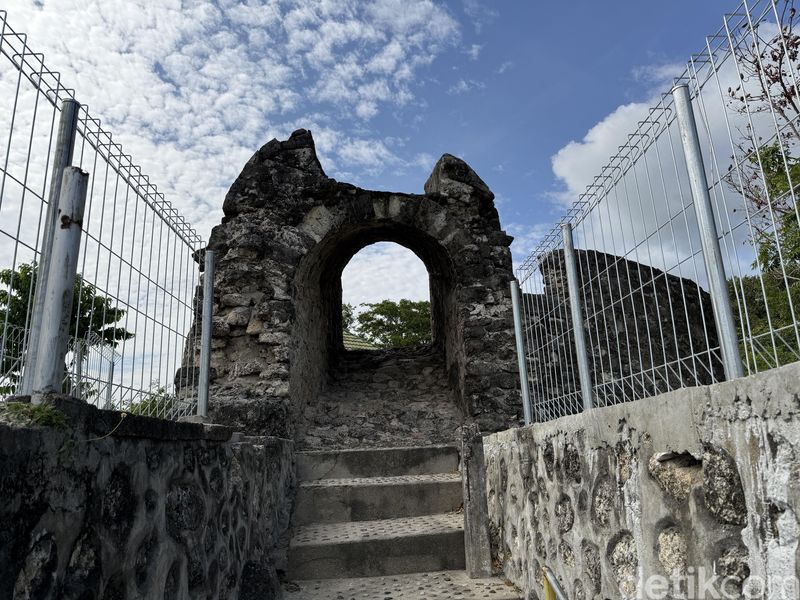
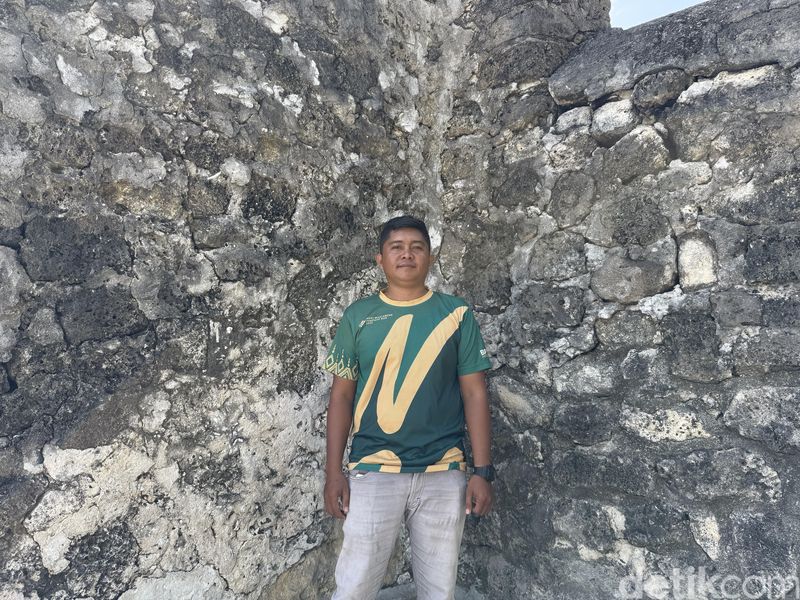
However, extensive research and meticulous examination by cultural heritage experts have cast serious doubt on the veracity of this tale. Arief Setiawan, the fort’s custodian, has been instrumental in these investigations. "The historical narrative that has been circulating for a long time, in both social media and among the public, states that this fortress was built using mountain stones, coral rocks, lime as a binder, and an additional binding agent: the egg whites of the maleo bird. But we have conducted deeper investigations," Setiawan stated.
The findings from these detailed analyses paint a different picture of the fortress’s construction materials. The fortresses are primarily built from a combination of various sedimentary rocks, including coral limestone, as well as plastic and non-plastic sediments. Additionally, andesite, a type of volcanic igneous rock, has also been identified. Crucially, a significant portion of the sedimentary rocks present are carbonaterous, meaning they possess properties that allow them to act as fragments, matrices, or even cementitious agents, effectively binding other materials together.
"When observing the mortar or binding material on the surface of the fortress structure, it contains coral and fragments of shells," Setiawan elaborated. "Therefore, it is strongly suspected that the mortar or binding material used was limestone that was pounded and finely ground. As for the presence of egg whites in the structural mixture of the fortress, we cannot yet confirm it."
This scientific investigation suggests that the remarkable strength and durability of the Otanaha Fortress are attributable to the natural geological properties of the locally sourced materials and the skilled application of traditional lime-based mortar techniques, rather than the inclusion of exotic ingredients like maleo egg whites. While the egg white narrative may be a romanticized embellishment, the actual construction methods speak volumes about the ingenuity and resourcefulness of the builders.
A Timeless Vista: Experiencing the Fortress Today
Today, the three fortresses stand as enduring monuments, not only preserving a crucial chapter of Gorontalo’s history but also offering visitors a unique blend of historical exploration and natural beauty. Perched atop the hills, the fortresses provide an unparalleled vantage point for appreciating the expansive and picturesque Limboto Lake. This serene vista, especially during sunset, transforms the historical site into a romantic and awe-inspiring destination.
The Otanaha Fortress complex is accessible to the public daily from 06:00 to 18:00 WITA (Western Indonesian Time). For domestic tourists, the entrance fee is IDR 10,000, while international visitors are charged IDR 25,000. Visitors are kindly advised to exercise caution and refrain from climbing to the uppermost sections of the fortresses. Despite their modest height of around 3 meters, safety remains paramount. Furthermore, as a designated cultural heritage site, the preservation of the fortress’s structural integrity is of utmost importance to ensure its longevity for future generations.
A History of Preservation and Future Aspirations
The Otanaha Fortress has undergone significant restoration efforts to maintain its structural integrity. The first phase of restoration took place between 1978 and 1979, followed by a second phase from 1980 to 1981. These concerted preservation initiatives underscore the commitment to safeguarding this invaluable historical asset. Currently, the fortress is undergoing the process of being re-submitted for recognition as a national cultural heritage site, following a previous unsuccessful application. This ongoing effort highlights the continuous dedication to elevating its status and ensuring its long-term protection.
For the more adventurous traveler, the journey to the fortress offers an additional challenge and a deeper connection to its past. Historically, the primary access to the fortresses was via a formidable set of stairs. Visitors can still experience this traditional route, which comprises approximately 358 steps, punctuated by four designated rest stops. This climb, often referred to as the ‘1,000 steps,’ provides a physical test and a unique perspective on the effort involved in reaching the fortifications in earlier times.
Fortunately, modern accessibility has been significantly improved. Visitors can now reach the fortress area by vehicle, with ample parking space available for both cars and motorcycles, making the site more accessible to a wider range of visitors.
Broader Implications and Enduring Significance
The Otanaha Fortress, with its rich history, captivating legends, and breathtaking views, serves as a vital anchor to Gorontalo’s past. The persistent myth surrounding its construction with maleo egg whites, while factually inaccurate, speaks to the power of storytelling and the cultural imagination that surrounds historical sites. The debunking of this myth, however, does not diminish the fortress’s significance; rather, it highlights the ingenuity of traditional construction techniques and the utilization of readily available natural resources.
The ongoing efforts to secure national heritage status reflect a growing appreciation for the cultural and historical value of sites like Otanaha. This designation would not only bring increased recognition and potentially more resources for preservation but also solidify its place as a key destination for historical tourism in Indonesia. The fortress’s strategic location overlooking Limboto Lake also positions it as a significant point of interest for understanding the historical interplay between human settlements, natural resources, and defense strategies in the region.
As Gorontalo continues to develop its tourism potential, the Otanaha Fortress stands as a powerful symbol of its heritage, offering a compelling narrative that intertwines history, legend, and the enduring spirit of its people. Its preservation and continued study are crucial for understanding the complex tapestry of Indonesian history and the unique cultural contributions of regions like Gorontalo.