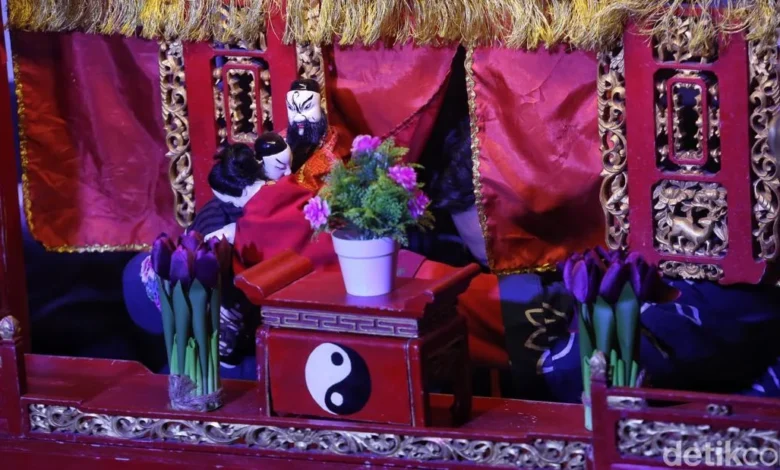
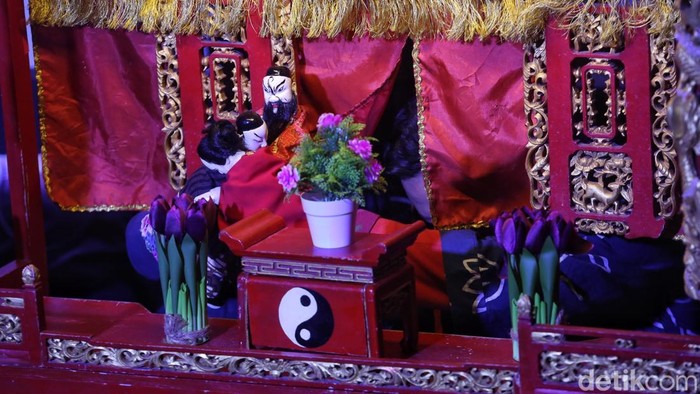
The Museum of National Awakening in Jakarta recently became a vibrant stage for a cultural renaissance as the Sanggar Wayang Potehi Siauw Pek San presented a compelling performance titled Mawar Cina di Tanah Jawa. This production, led by master puppeteer Andika Pradana, offered more than just traditional entertainment; it served as a poignant exploration of the search for identity among Chinese-Indonesian communities during the 1960s. Through the intricate manipulation of fabric-based puppets, the performance bridged the gap between historical trauma and modern cultural appreciation, drawing a diverse audience into the complexities of the Sino-Indonesian experience.

A Narrative of Identity and Resilience
The performance, which lasted approximately 60 minutes, centered on the narrative of the Chinese diaspora in Java. By choosing the 1960s as a thematic backdrop, the production touched upon a sensitive and transformative era in Indonesian history. For many in the Chinese-Indonesian community, this period was characterized by profound social shifts and the necessity of negotiating dual cultural identities.
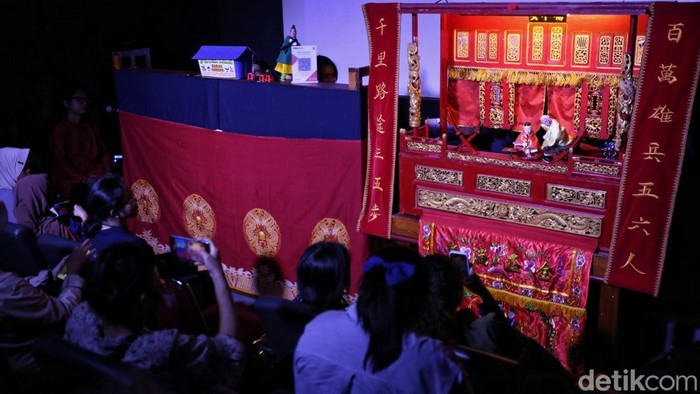
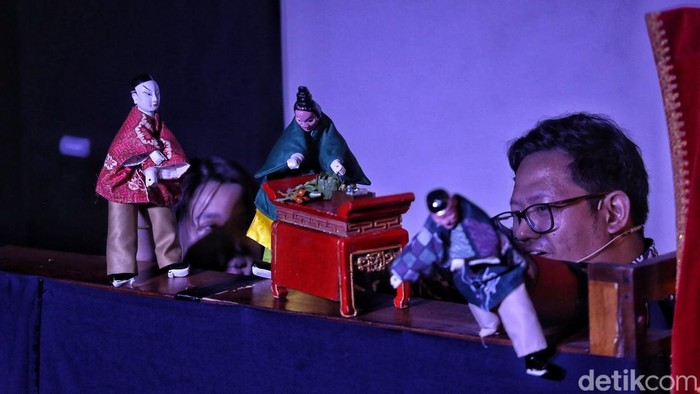
Andika Pradana, acting as both the sole narrator and the primary puppeteer, utilized two assistants to bring the characters to life. The performance was conducted entirely in Indonesian, ensuring accessibility for a wide range of spectators. The show’s structure was notably interactive; the dialogue between the dalang and the audience echoed the spontaneity of traditional Betawi Lenong, creating a communal atmosphere that successfully localized the ancient Chinese art form.

The Origins and Evolution of Wayang Potehi
Wayang Potehi traces its roots to the Fujian province in Southern China. The name itself is derived from three Hokkien terms: "pou" (cloth), "te" (pocket), and "hi" (wayang or play). Structurally, these puppets are designed as fabric pouches with carved wooden heads, operated by the puppeteer’s hand.
Historically, this art form was brought to the Indonesian archipelago by immigrants from Fujian centuries ago. Over time, the art form underwent a process of cultural syncretism, blending with local Indonesian sensibilities. While the puppets retained their traditional design, the stories evolved to incorporate local Javanese folklore, historical accounts, and contemporary social commentaries. This evolution has transformed Potehi from an imported tradition into a vital component of the Indonesian performing arts landscape.

A Timeline of Suppression and Revival
The trajectory of Wayang Potehi in Indonesia has not been without significant challenges. During the 1950s, the art form enjoyed a period of relative popularity and visibility within Chinese-Indonesian enclaves. However, the political climate of 1967 brought about a sharp decline. Under the policies of the New Order regime, strict regulations were placed on the public expression of Chinese traditions, language, and culture. For decades, Potehi was relegated to the private sphere, performed only in limited, clandestine settings to preserve the tradition from total erasure.
The post-1998 Reformasi era signaled a major shift in policy, as the government gradually lifted prohibitions on the celebration of Chinese-Indonesian culture. Since the early 2000s, there has been a concerted effort by cultural practitioners and museums, such as the Museum of National Awakening, to document, preserve, and revitalize these performances. The recent event at the museum serves as a testament to this ongoing recovery, marking a transition from a suppressed heritage to a celebrated public treasure.
Technical Mastery and Performance Dynamics
The performance in Jakarta was bolstered by a three-piece musical ensemble, which provided the essential rhythmic backbone for the storytelling. In traditional Potehi, music serves to highlight character transitions, dramatic tension, and emotional shifts. The interaction between the musical ensemble and the puppeteers is highly disciplined, requiring years of training to synchronize the rapid movements of the puppets with the percussive and melodic elements of the traditional Chinese instruments used.
Observers noted that the production successfully balanced traditional techniques—such as the rapid, acrobatic movements of the puppets—with contemporary thematic concerns. By incorporating the "Mawar Cina" (Chinese Rose) narrative, the show addressed themes of belonging, the struggle of integration, and the preservation of heritage in a foreign land. This thematic depth has elevated the performance from a mere display of dexterity to a scholarly and artistic inquiry into history.
The Broader Social Impact
The significance of such performances extends beyond the theater stage. Cultural historians argue that the revival of Wayang Potehi plays a critical role in fostering national unity and historical literacy. By allowing the public to witness and engage with the narratives of the Chinese-Indonesian community, the museum provides a safe space for dialogue.
"Cultural performances like these are essential for the reconciliation of memory," noted a cultural observer present at the event. "When the public engages with the history of the 1960s through the medium of art, it humanizes the statistics and political debates, allowing for a more nuanced understanding of our collective past."
Furthermore, the integration of the performance within a national museum highlights the government’s recognition of Chinese-Indonesian history as an integral part of the national tapestry. This acknowledgement is essential for combating lingering prejudices and ensuring that future generations view the diverse cultural strands of Indonesia as a source of strength rather than division.
Challenges for Future Preservation
Despite the success of recent performances, the future of Wayang Potehi faces hurdles. The primary concern among practitioners is the scarcity of young apprentices. The mastery of Potehi requires not only the physical skill of manipulation but also fluency in the narratives and the musical traditions that accompany them.
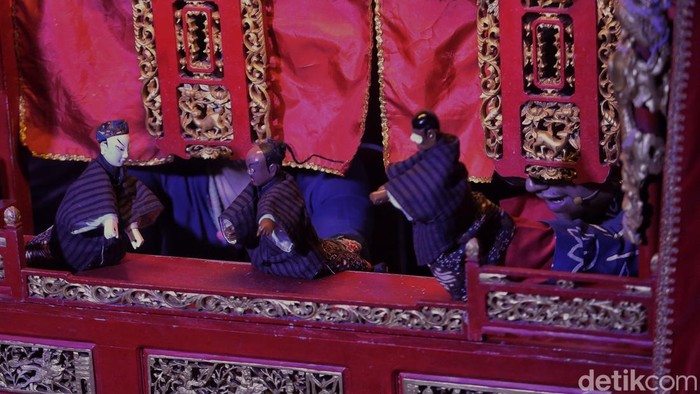
Sanggar Wayang Potehi Siauw Pek San and other similar troupes are currently focused on educational outreach. By performing in public spaces like the Museum of National Awakening, these groups aim to demystify the art form and attract a younger generation of performers. Financial support remains a challenge, as the production of puppets and the training of musicians require consistent funding. However, the increasing interest from academic institutions and cultural foundations provides a hopeful outlook for the medium’s survival.
The Role of Museums as Cultural Hubs
The Museum of National Awakening, by hosting this event, has repositioned itself as an active participant in cultural preservation. Instead of acting as a static repository for artifacts, the museum has become a dynamic hub for living traditions. This approach is increasingly common among modern museums, which seek to connect historical artifacts—in this case, the tradition of Potehi—with contemporary social issues.

The performance served as a reminder that the "Museum of National Awakening" is not just about the history of the independence movement, but about the ongoing process of defining what it means to be Indonesian. By showcasing the struggles and contributions of the Chinese-Indonesian community, the museum invites visitors to reflect on the diversity that defines the nation’s identity.
Concluding Reflections
The performance of Mawar Cina di Tanah Jawa serves as a powerful reminder of the resilience of the human spirit and the endurance of cultural heritage. Through the combination of traditional craftsmanship, musical artistry, and poignant storytelling, the Sanggar Wayang Potehi Siauw Pek San has successfully bridged the gap between the past and the present.
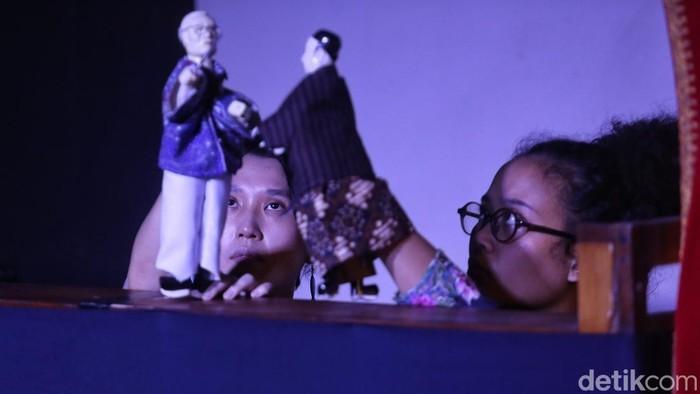
As Indonesia continues to navigate its complex identity, the preservation of art forms like Wayang Potehi will remain crucial. These performances do not merely entertain; they document a history that was once pushed to the shadows and bring it into the light of public consciousness. For those who attended the event, the sight of the small, hand-operated puppets dancing to the rhythm of ancient music was more than a performance—it was an affirmation that, regardless of origin, the story of every community is a vital thread in the fabric of the nation.
As the curtain fell, the applause from the diverse crowd signaled a collective appreciation for the bridge that the performance had built. The journey of the Chinese-Indonesian community, once marked by silence and restriction, now finds a voice on the stage, ensuring that these stories will continue to be told, understood, and respected for generations to come.
Related posts: