Blizzard Entertainment Revives StarCraft Franchise as an Open World Shooter Set for a 2030 Release Following BlizzCon 2026 Debut

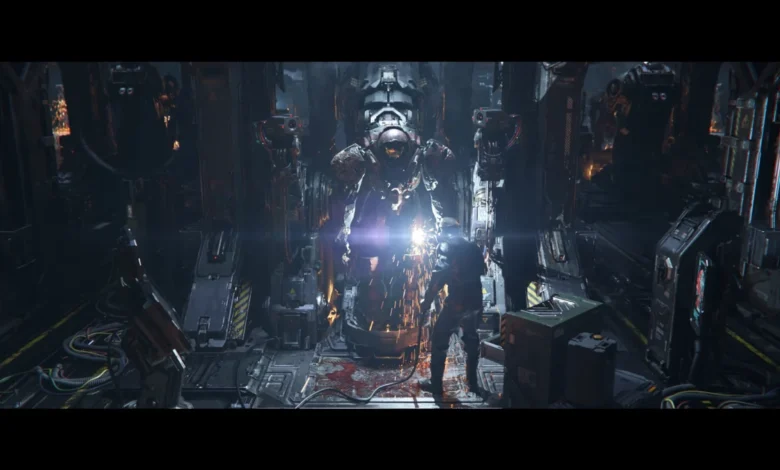
After nearly a decade of dormancy, one of the most celebrated and influential franchises in video game history is officially returning to the active development pipeline. Blizzard Entertainment utilized BlizzCon 2026 to stun the gaming industry with the announcement of a brand-new StarCraft title. Abandoning the traditional Real-Time Strategy (RTS) format that defined the series for nearly thirty years, the upcoming project will boldly pivot into an open-world first-person shooter. Spearheaded by Dan Hay—a seasoned industry veteran widely recognized for his leadership on Ubisoft’s acclaimed Far Cry franchise—the ambitious project currently carries a projected release window of 2030.
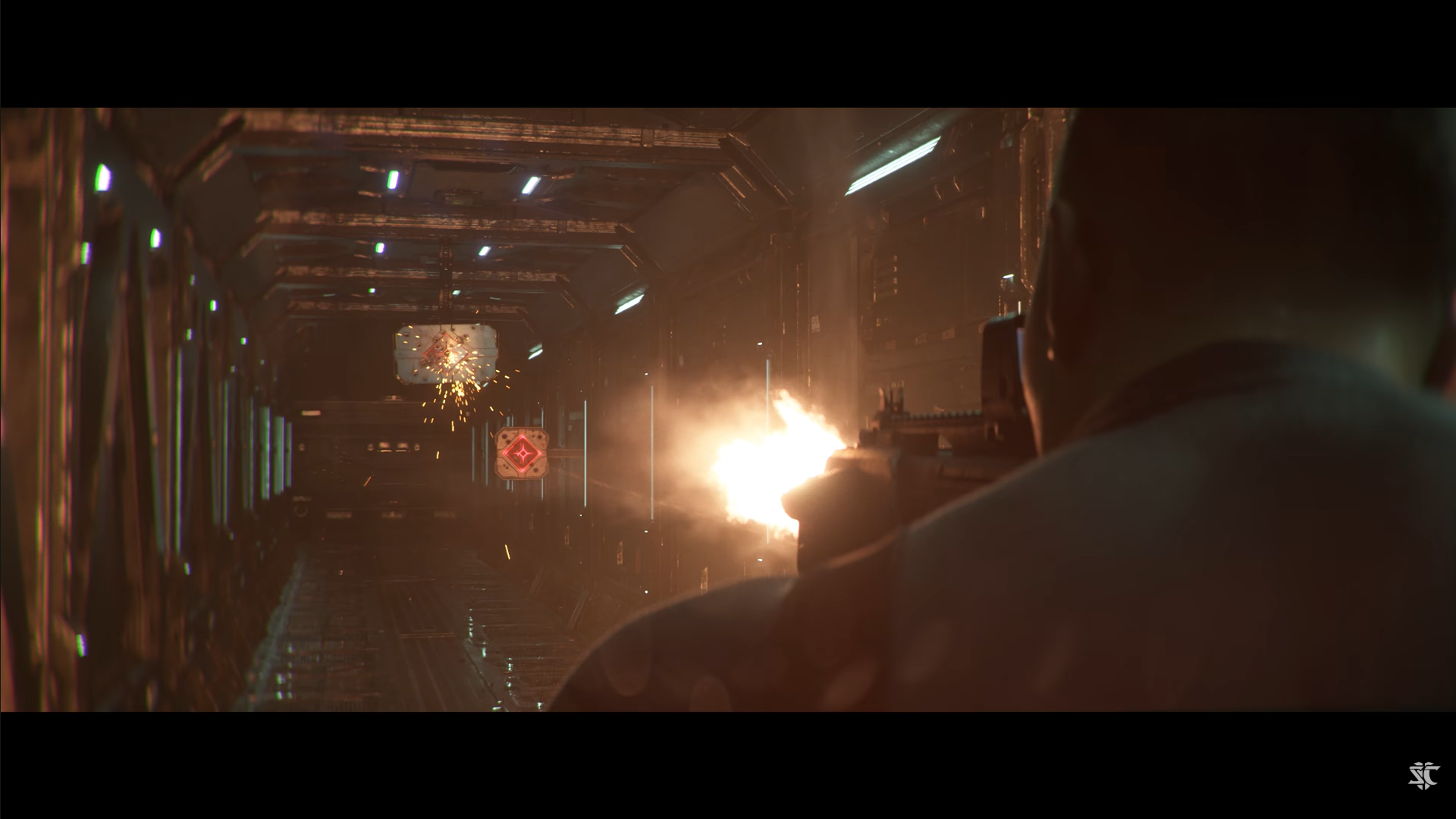
The surprise revelation materialized via a cinematic teaser trailer at the convention, immediately dissolving years of unconfirmed rumors and industry speculation. While gameplay specifics remain strictly under wraps, the radical shift in genre marks a monumental turning point for a property that once served as the undisputed titan of competitive PC strategy gaming. As Blizzard prepares to guide the Koprulu Sector into a new interactive dimension, the announcement has sparked intense debate, high anticipation, and considerable scrutiny from a fiercely loyal global community.
The Evolution of a Legend: Historical Background and Franchise Context
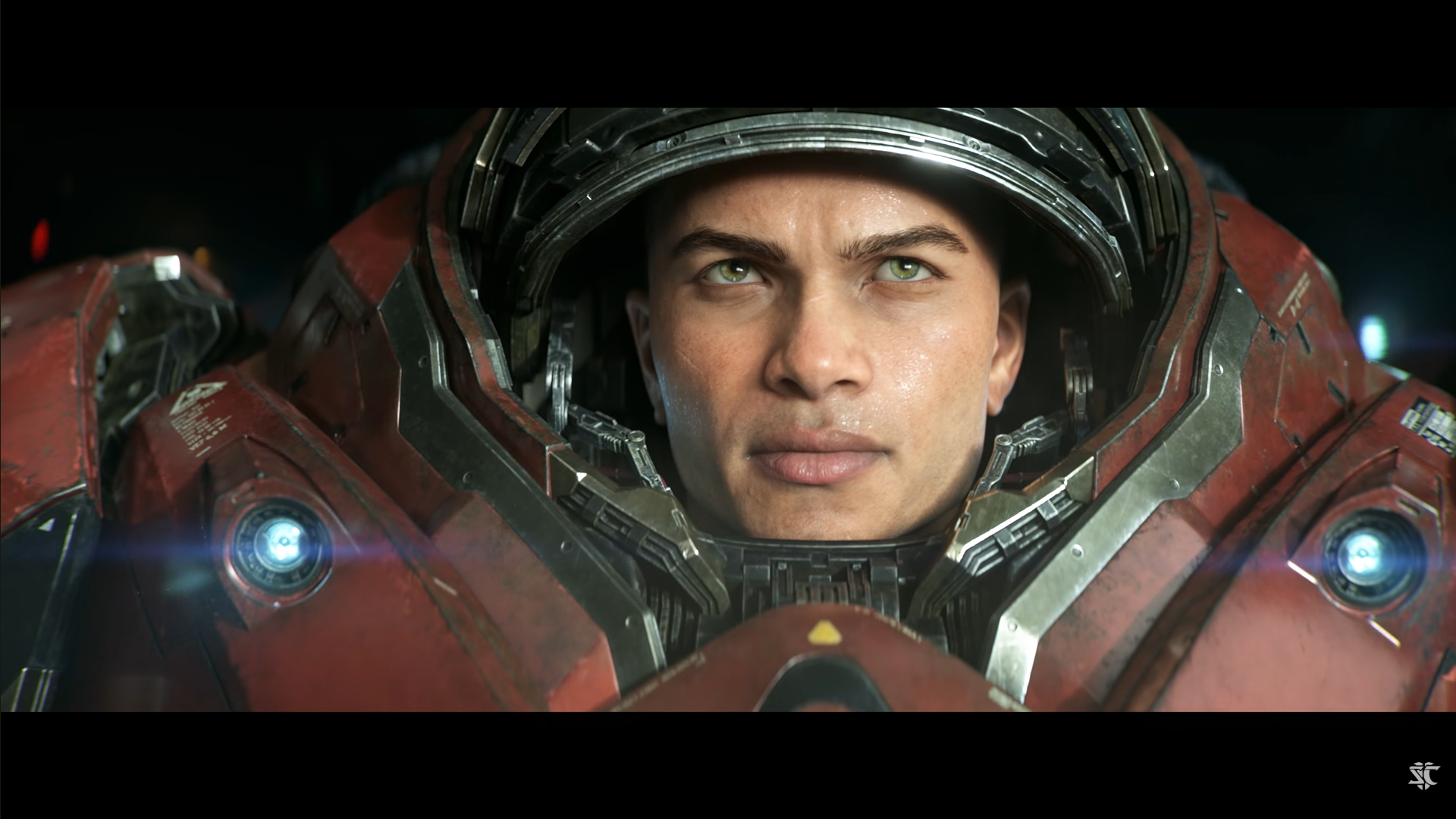
To understand the magnitude of this announcement, one must examine the monumental legacy of StarCraft. Released initially in 1998, the original real-time strategy game developed by Blizzard revolutionized the genre, establishing a sprawling science-fiction universe characterized by the geopolitical struggle among three distinct factions: the resourceful human Terrans, the insectoid swarm known as the Zerg, and the technologically advanced alien Protoss.
The franchise achieved cultural phenomenon status, particularly in South Korea, where it helped pioneer the modern eSports industry. The release of its critically acclaimed sequel, StarCraft II, in 2010 expanded upon the tactical depth and narrative complexity, keeping competitive circuits alive for years. However, following the conclusion of the StarCraft II trilogy’s expansion packs and minor post-launch support, Blizzard gradually shifted its primary development focus toward other major intellectual properties, including Overwatch, Diablo, and World of Warcraft. For nearly ten years, aside from occasional anniversary patches and the release of StarCraft: Remastered, the franchise remained dormant, leading many fans to accept that the universe would likely never receive another mainstream installment.
Steering into Uncharted Territory: Leadership and Development Vision
The decision to entrust the revival of StarCraft to Dan Hay highlights Blizzard’s intent to bridge blockbuster open-world design with established sci-fi lore. Hay, who spent years shaping the first-person perspective, immersive exploration, and emergent gameplay loops of the Far Cry series, brings a specialized set of skills tailored to open-world shooter mechanics.

During an exclusive interview with industry media at BlizzCon 2026, Hay addressed the monumental weight of taking the helm of such a revered intellectual property. Describing the opportunity as capturing a metaphorical "cosmic lottery," Hay emphasized that his development team is acutely aware of the profound emotional attachment fans hold toward the source material. Rather than discarding the lore, Hay noted that the creative strategy centers on honoring the foundations established by previous developers while innovating to ensure the experience feels simultaneously fresh to newcomers and satisfyingly familiar to veterans.
By locking in an early target release window of 2030, Blizzard is signaling an exceptionally lengthy and deliberate production cycle. Executives noted that communicating the long-term timeline early aims to foster transparency with a community that has spent years waiting for concrete news regarding the franchise’s future.
Industry Implications and Strategic Risks
The strategic pivot of StarCraft into an open-world shooter carries both massive potential rewards and unprecedented commercial risks. For major game publishers, transitioning historically strategic or narrative-driven properties into action-oriented formats is often viewed as a necessary step to capture broader demographics within the contemporary console and PC markets.
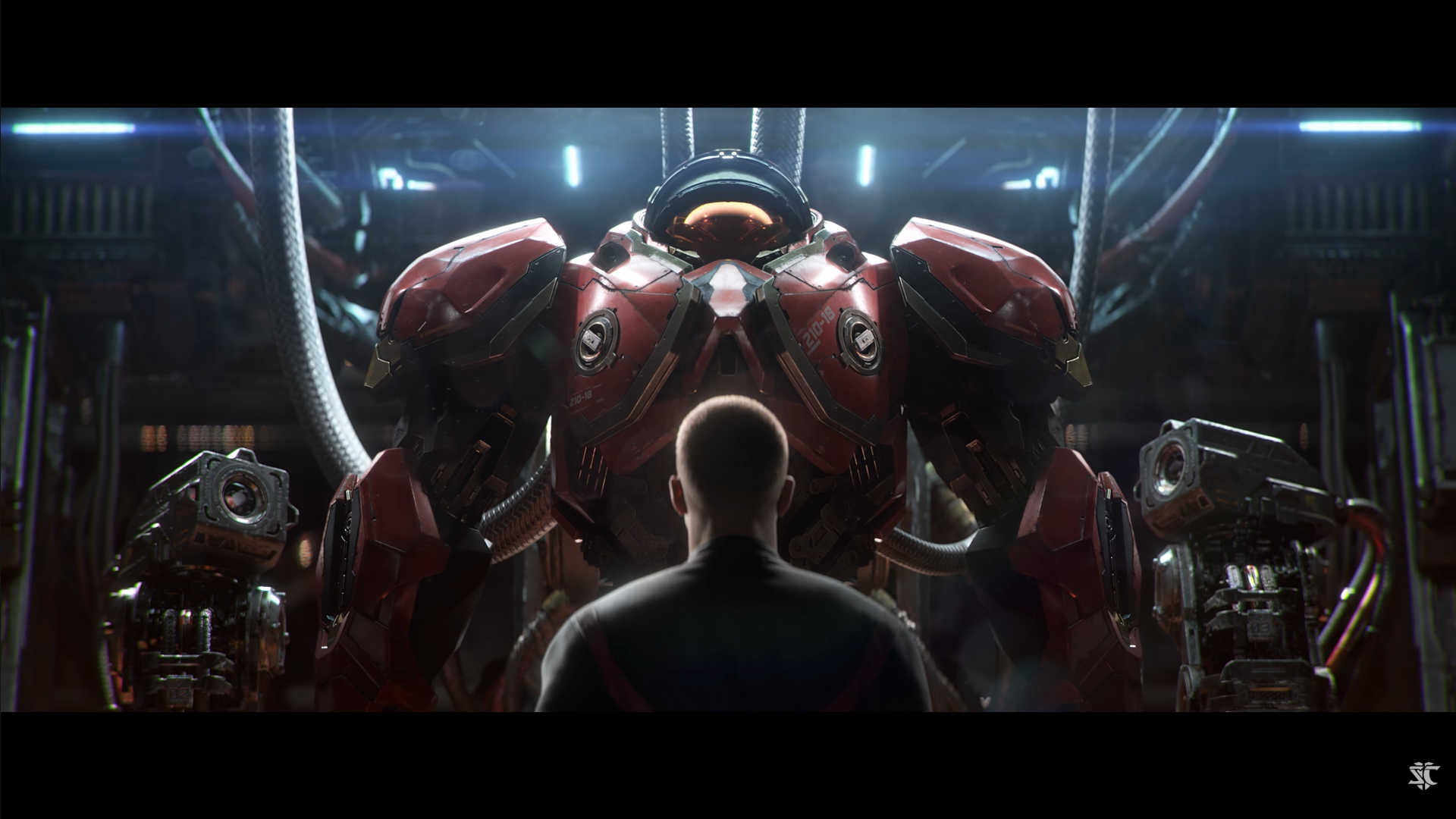
However, this transition places the development team in direct opposition to deeply entrenched audience expectations. A vocal segment of the long-term fanbase has consistently expressed skepticism, arguing that StarCraft’s identity is inextricably bound to the micro-management, macro-strategy, and tactical overhead of the RTS genre. Converting the universe into a boots-on-the-ground shooter invites immediate comparisons to past controversial spin-offs, such as the canceled StarCraft: Ghost project from the early 2000s, which also sought to bring the franchise into an action-oriented perspective before ultimately being shelved.
Furthermore, modern gaming audiences have grown increasingly analytical regarding the monetization structures of major open-world titles, prompting quiet industry concerns over whether the new project will incorporate live-service frameworks. While Blizzard has not yet released financial models, microtransaction plans, or confirmation of cooperative versus single-player focus, the long development runway suggests that the title will undergo extensive structural iteration prior to its planned debut.
Chronology of the Revival
The path toward the BlizzCon 2026 announcement unfolded through distinct phases over the past decade:
- 2015–2020: The conclusion of StarCraft II’s narrative arc with Legacy of the Void marks the winding down of active, major content generation for the franchise, transitioning the game into a maintained community state.
- 2021–2024: Following Microsoft’s acquisition of Activision Blizzard, industry insiders periodically report whispers and speculative job listings suggesting early conceptual work on unannounced projects set within the StarCraft universe.
- Early 2026: Rumors intensify across digital media outlets regarding an impending conceptual revival of the franchise, shifting focus away from traditional strategy formats.
- BlizzCon 2026: Blizzard officially unveils the untitled open-world shooter project, confirms Dan Hay as project lead, debuts the premier cinematic teaser, and establishes 2030 as the targeted launch horizon.
Outlook and Community Reception
As the initial wave of excitement settles, the gaming landscape enters a protracted waiting period. Blizzard has yet to unveil crucial structural components, such as whether players will assume the role of specific canonical heroes, standard Terran marines, or operatives from opposing alien factions within the open-world sandbox.
The years leading up to 2030 will undoubtedly test the studio’s ability to balance modernization with heritage preservation. Whether the gamble on an open-world shooter will successfully introduce the Koprulu Sector to a new generation of players while respecting the legacy built by millions of strategy enthusiasts remains one of the most compelling storylines in modern interactive entertainment.
Related posts: