Google DeepMind and Pelé’s Family Collaborate to Reconstruct Iconic "Gol da Rua Javari" with AI

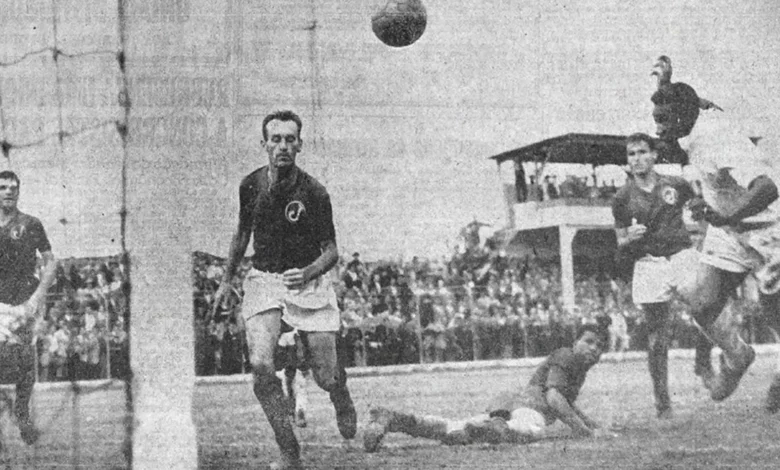
In a groundbreaking fusion of historical preservation and cutting-edge artificial intelligence, Google DeepMind, in partnership with the esteemed Pelé family, renowned historians, seasoned sports journalists, eyewitnesses, and a constellation of football legends, has embarked on an ambitious project to visually reconstruct Pelé’s legendary "Gol da Rua Javari." Announced in Jakarta on July 17, 2026, this initiative leverages Google’s advanced AI technologies to breathe new life into a pivotal moment in football history, a moment that for over six decades existed primarily in the realm of collective memory, media accounts, and historical archives.
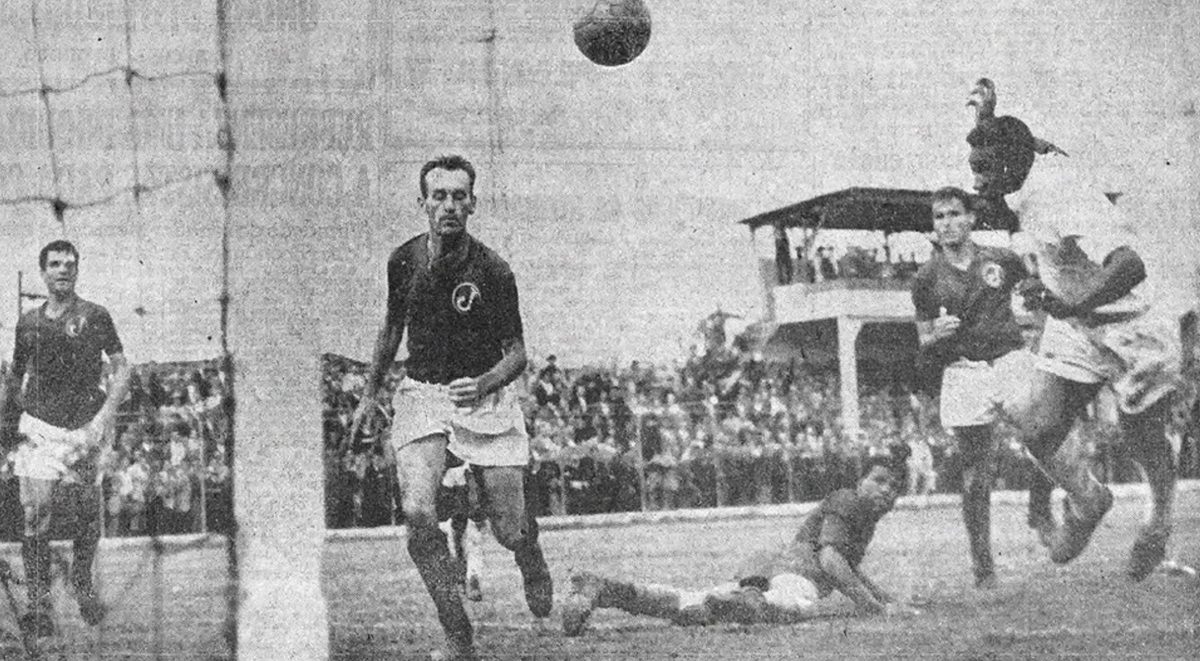
The reconstruction serves as a poignant tribute to one of the most iconic goals ever scored, coinciding with the global fervor surrounding the 2026 FIFA World Cup. The goal itself was etched into football folklore on August 2, 1959, at the Rua Javari Stadium in São Paulo. A prodigious 18-year-old Pelé, already demonstrating flashes of the genius that would define his career, executed a play so extraordinary that he himself would later deem it the finest of his illustrious tenure, despite the absence of any photographic or film evidence.
The Genesis of a Legendary Goal
The "Gol da Rua Javari," as it came to be known, was a masterclass in skill and audacity. Historical accounts describe Pelé weaving through the opposition defense and evading the goalkeeper with a breathtaking series of three consecutive "sombreros." This intricate maneuver, involving lifting the ball over an opponent’s head without allowing it to touch the ground, is a testament to Pelé’s unparalleled ball control and spatial awareness. The goal was not merely a score; it was a demonstration of artistry on the pitch, a moment of pure footballing poetry that captivated those fortunate enough to witness it firsthand.
For decades, the narrative of this goal was passed down through oral traditions and journalistic retrospectives. The lack of visual documentation meant that the full impact and visual splendor of Pelé’s brilliance remained an imagined spectacle for generations of fans. This project aims to bridge that gap, offering a vivid and accurate portrayal of a moment that has been celebrated in stories but never truly seen.
A Deep Dive into Historical Reconstruction
To ensure the highest degree of accuracy in the visual reconstruction, Google DeepMind initiated the project with an exhaustive historical research phase. Esteemed Brazilian historian Anita Lucchesi, leading a dedicated team, meticulously gathered nearly 2,000 historical documents. This extensive collection included architectural blueprints of the stadium, archival photographs, personal family albums, contemporary media reports, and detailed match diagrams. The aim was to create a comprehensive historical blueprint that would serve as the bedrock for the AI’s creative process.
Furthermore, over 3,600 historical images were compiled to aid in the precise reconstruction of the visual environment of the Rua Javari Stadium as it stood in 1959. This detailed visual data was crucial in recreating the authentic atmosphere and architectural nuances of the venue.
Beyond documentary evidence, the team engaged directly with those who experienced the event. Interviews were conducted with eyewitnesses, sports journalists who covered the match, and members of the Mooca community in São Paulo, the neighborhood surrounding the stadium. These personal accounts, often rich with vivid detail and emotional resonance, were instrumental in piecing together the fragmented memories of the event. The team utilized stadium models, archival photographs, and match illustrations as aids during these interviews, stimulating recollection and ensuring that the narrative aligned with visual and factual data.
The AI-Powered Renaissance of a Footballing Icon
With a robust historical foundation firmly established, the project transitioned into the visual production phase. This involved on-site filming at the actual Rua Javari Stadium. To authentically capture the spirit of the era, the production team meticulously sourced period-accurate costumes and leather footballs, ensuring that every recreated scene bore a striking resemblance to the conditions of the 1950s match.
Google’s suite of advanced AI models played a pivotal role in augmenting the creative process. Technologies such as Gemini Omni, Veo, and Nano Banana Pro were employed to reconstruct the scene based on the meticulously gathered historical references. These AI tools were instrumental in various aspects of the reconstruction:
- Facial and Postural Fidelity: AI algorithms were used to map the facial features and physical posture of Pelé onto a modern stunt player, ensuring a convincing portrayal of the legend’s movements.
- Authentic Kit Recreation: The iconic number 10 jersey worn by Pelé was meticulously recreated, ensuring historical accuracy in design and detail.
- Architectural Accuracy: The dimensions and architectural features of the Rua Javari Stadium were adjusted to reflect its 1959 configuration, bringing the historical setting to life.
- Atmospheric Immersion: The AI was tasked with recreating the vibrant atmosphere of a football match, including the presence of spectators in the stadium and the ambient sounds of radio broadcasts reaching homes, thereby immersing viewers in the era.
Precision in Motion: The Role of Veo 3
To achieve a high level of realism in the depiction of Pelé’s complex movements, Google implemented a "Performance Control" approach powered by Veo 3. This advanced technology extracts three-dimensional motion data from the stunt player, enabling the precise visualization of intricate choreography. The extracted motion data was then integrated into a workflow utilizing Gemini Omni and Nano Banana Pro. Subsequent visual effects processes, including ball compositing, grain adjustment, and color balancing, were applied to refine the final output.
In the concluding stage of the digital production, a filmout machine was utilized to impart a cinematic quality to the visuals, mirroring the aesthetic of films from the 1950s. This meticulous attention to detail ensures that the reconstructed footage not only accurately depicts the event but also evokes the visual language of the era.
A Tribute to Memory, Not a Replacement
Google has emphasized that the primary objective of this project is not to supplant historical records or the lived experiences of those who witnessed the match. Instead, the reconstruction is intended as a profound act of homage to the collective memory and enduring legacy of Pelé. It represents a sophisticated synthesis of historical archives, human testimony, and AI technology, employed as a creative tool to illuminate a seminal moment in football history for contemporary and future generations, while steadfastly preserving its intrinsic historical value.
The result of this monumental effort, the visual reconstruction of the "Gol da Rua Javari," is now on display at the Museu Pelé in Santos, São Paulo. This exhibition offers visitors an unparalleled opportunity to revisit and appreciate one of the most significant moments in the career of the Brazilian football icon.
Beyond the Goal: Indonesian Engagement with the 2026 World Cup
In conjunction with the unveiling of the Pelé reconstruction project, Google also shared insights into search trends among Indonesian users during the 2026 FIFA World Cup. Data from July 9-16, 2026, revealed a significant surge in interest surrounding match information and viewing methods for the tournament.
Under the "Top Trending Daily Questions" category, inquiries primarily focused on how to watch the World Cup. Prominent searches included "Where to watch football," "How to watch the 2026 World Cup on mobile," and "How to watch football for free." This indicates a strong desire among Indonesian fans to engage with the tournament, irrespective of their location or access to traditional broadcast channels.
The "Fan Culture" category saw popular searches such as "Who won last night’s football match," "Where to watch the 2026 World Cup live," "Has Spain ever won the World Cup," "Who won the football match yesterday," and "Who won the football match last night." These queries reflect a dynamic and engaged fan base eager to stay updated on match outcomes and tournament developments.
The most searched national teams by Google users in Indonesia were Spain, France, Argentina, England, and Norway. In terms of individual players, the top searches included Lamine Yamal, Lionel Messi, Kylian Mbappé, Cristiano Ronaldo, and Erling Haaland. These trends highlight the global appeal of established footballing powerhouses and their star players, even as emerging talents like Lamine Yamal capture significant attention.
This data underscores that enthusiasm for the World Cup extends beyond the on-field action, manifesting prominently in digital information-seeking behaviors.
The Broader Implications of AI in Historical Preservation
The Pelé "Gol da Rua Javari" reconstruction project serves as a powerful illustration of how AI can be harnessed to enrich historical documentation. By meticulously combining rigorous research, archival evidence, and eyewitness accounts, AI can facilitate the recreation of historical events in a manner that is both compelling and verifiable. This approach ensures that pivotal moments in history can be presented to new generations with accuracy and authenticity, without diminishing their inherent historical significance. It bridges the gap between fragmented historical records and vivid, accessible narratives, ensuring that the stories of our past continue to resonate.
This initiative not only honors a footballing legend but also sets a precedent for how AI can be utilized as a sophisticated tool for cultural preservation and historical storytelling in the digital age. The fusion of human memory, historical data, and advanced technology offers a profound new dimension to how we engage with and understand our collective past.