Samsung Galaxy Z Fold8 Redefines Foldable Efficiency with Significant Battery and Charging Upgrades

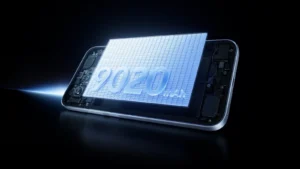
The smartphone industry has long grappled with a persistent stigma surrounding foldable devices: the perception that their complex mechanics and expansive displays inevitably lead to rapid battery depletion. However, with the launch of the Samsung Galaxy Z Fold8, the South Korean tech giant is aggressively challenging this narrative. By integrating a 4,800 mAh battery and elevating charging speeds to 45W, Samsung is positioning its latest foldable flagship not merely as a novelty, but as a robust, all-day workhorse capable of competing with traditional high-end smartphones.
This development marks a pivotal moment in the evolution of the foldable category. Since Samsung pioneered the mainstream foldable market with the original Galaxy Fold in 2019, the primary engineering challenge has been balancing a slimmer, more portable form factor with the power demands of a dual-screen device. The Galaxy Z Fold8 represents the culmination of eight generations of iterative refinement, successfully decoupling the myth that larger batteries necessitate a heavier, more cumbersome chassis.
A Chronology of Foldable Evolution
To understand the magnitude of the improvements in the Galaxy Z Fold8, one must look at the trajectory of the series. When the first-generation Galaxy Fold launched, the industry was skeptical about durability and battery endurance. Throughout the subsequent years, Samsung focused on improving the hinge mechanism, screen protection, and internal component layout.
The jump from the Galaxy Z Fold7 to the Fold8 is particularly noteworthy. While the Fold7 utilized a 4,400 mAh battery—a capacity that served users adequately but often required mid-day top-ups under heavy multitasking loads—the Fold8 introduces a 4,800 mAh cell. This 400 mAh increase is significant, as it provides the necessary headroom for the more demanding Snapdragon 8 Elite Gen 5 processor, which powers the device. This shift reflects a broader industry trend where manufacturers are prioritizing "real-world endurance" over mere aesthetic thinness.
Comparative Technical Analysis: Fold7 vs. Fold8
The technical specifications reveal a clear commitment to addressing power anxiety. The most striking improvement lies in the charging architecture. The Galaxy Z Fold7 was limited to 25W wired charging, a standard that had become somewhat dated compared to competitors offering 65W or higher. By upgrading the Fold8 to 45W, Samsung has drastically reduced the time users spend tethered to a wall outlet.
According to internal benchmark data provided by Samsung, the Fold8 can reach a 63% charge in just 30 minutes using a 45W adapter. In contrast, the Fold7 required the same timeframe to reach only 50%. This 13% efficiency gain is not just a marginal improvement; for a professional on the move, it represents the difference between having a functional device for an evening commute versus a dead screen.
Furthermore, the integration of 20W Fast Wireless Charging and Wireless PowerShare technology ensures that the Fold8 acts as a central hub in an ecosystem of devices, allowing users to charge their Galaxy Buds or Watch directly from the phone’s rear panel.
Engineering Feats: The Weight Paradox
One of the most impressive aspects of the Galaxy Z Fold8’s release is the reduction in weight. Conventional logic suggests that a larger battery—which inherently requires more physical volume—would lead to a heavier device. Yet, Samsung has managed to trim the weight of the Fold8 to 201 grams, down from 253 grams in previous iterations.
This was achieved through a total structural overhaul. Engineers utilized advanced materials for the hinge, redesigned the internal motherboard layout to maximize space efficiency, and implemented a thinner display stack. By optimizing the internal real estate, Samsung created a "weightless" feeling that belies the device’s expanded power capacity. This synthesis of lightness and longevity is a breakthrough that addresses the "pocketability" concerns that have kept some consumers away from the Fold series.
The Role of Software and Processor Efficiency
Hardware capacity is only half of the equation; software optimization plays a critical role in battery longevity. The Galaxy Z Fold8 is powered by the Snapdragon 8 Elite Gen 5 for Galaxy, a chipset optimized specifically for the thermal and power requirements of a foldable device.
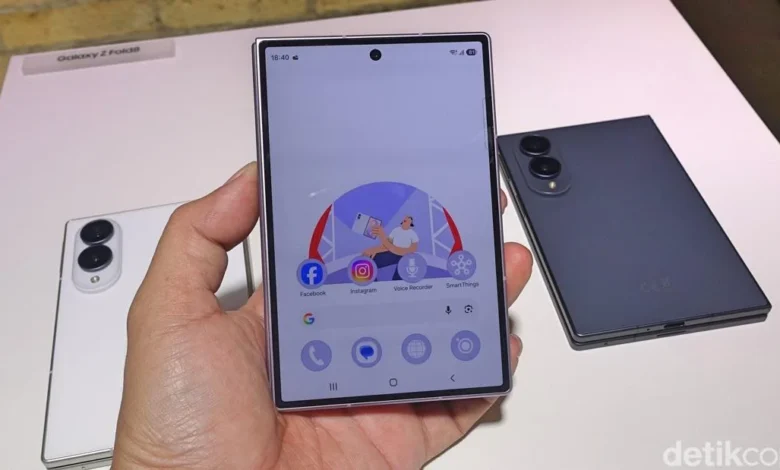
The integration of advanced AI-driven power management allows the system to intelligently allocate resources based on the user’s behavior. For instance, the system detects when the user is engaging in low-intensity tasks on the cover screen—such as messaging or checking notifications—and throttles the refresh rate and processor power accordingly. This encourages the use of the 6.3-inch cover screen for quick tasks, preserving the larger, more power-hungry inner display for high-productivity work or multimedia consumption.
Addressing the "Foldable Battery" Stigma
The misconception that foldable phones are inherently "power-hungry" often stems from early-generation experiences where the screens were less efficient and the batteries were undersized. Samsung’s official stance, as echoed in their recent communications, is that the foldable experience should not require compromises.
By providing 26 hours of video playback (as claimed in internal testing), Samsung is signaling that the Z Fold8 is designed for the modern "digital nomad." However, the company is careful to note that real-world performance will always fluctuate based on signal strength, refresh rate settings, and ambient temperature. This level of transparency is a marked improvement in corporate communication, helping to set realistic expectations for consumers while still showcasing the device’s capabilities.
Broader Market Implications
The success of the Galaxy Z Fold8 has wider implications for the smartphone industry. As the market for traditional "slab" phones becomes increasingly saturated, manufacturers are looking to foldables to drive growth. However, consumers are becoming more discerning; they no longer accept "first-generation" compromises.
By standardizing 45W charging and pushing battery capacity toward the 5,000 mAh threshold, Samsung is setting a new baseline for what constitutes a "premium" foldable. Competitors will likely feel pressure to follow suit, potentially leading to a "battery war" in the foldable segment that will ultimately benefit the consumer.
Moreover, the emphasis on the cover screen as a primary interaction point is a smart design choice that extends the device’s lifespan. By training users to rely on the external screen for routine tasks, Samsung is effectively reducing the total number of times the primary display is engaged, thereby extending the overall battery cycle and reducing mechanical wear on the hinge.
Best Practices for Optimal Battery Health
To ensure the longevity of the Galaxy Z Fold8, users are encouraged to adopt several best practices. While the device is built for heavy use, power efficiency remains a function of user behavior:
- Leverage the Cover Screen: Utilize the exterior display for messaging and quick app interactions to minimize the energy draw of the larger inner panel.
- Adaptive Refresh Rates: Ensure the display is set to "Adaptive" mode, allowing the system to drop the refresh rate when static content is displayed, significantly saving power.
- Connectivity Management: In areas with poor cellular reception, the phone works harder to maintain a signal. Using Wi-Fi whenever possible can mitigate this drain.
- Optimized Charging Cycles: For long-term battery health, users can utilize built-in software tools to limit the maximum charge to 85% or 90% if they do not require a full 100% for the day.
Conclusion: A New Standard
The Samsung Galaxy Z Fold8 is not just a revision; it is a recalibration of the foldable smartphone category. By successfully balancing a higher-capacity 4,800 mAh battery with faster 45W charging and a lighter, more refined chassis, Samsung has systematically dismantled the most common criticisms leveled against foldable technology.
While the "all-day battery" claim is subject to the variables of individual usage, the objective improvements in hardware efficiency and charging velocity are undeniable. The Z Fold8 demonstrates that the future of mobile computing does not have to sacrifice convenience for innovation. As foldable technology continues to mature, the Z Fold8 stands as a testament to the fact that with enough engineering rigor, the trade-offs of the past can be overcome, paving the way for a new era of portable, high-performance computing. Whether for the power user multitasking across three apps or the creative professional editing content on the go, the Galaxy Z Fold8 provides the endurance required to keep pace with the demands of modern digital life.