The anticipation for the 2026 MotoGP Mandalika, scheduled to take place at the Pertamina Mandalika International Circuit in Central Lombok, has triggered a significant surge in accommodation demand across the neighboring capital city of Mataram. As of the latest reports from the Mataram Hotel Association (AHM), five major hotel properties have already reached full capacity, signaling a robust start to the tourism cycle surrounding the international racing event. The rapid booking pace highlights the sustained appeal of the Indonesian leg of the MotoGP calendar, which continues to attract a diverse demographic of international and domestic motorsport enthusiasts.
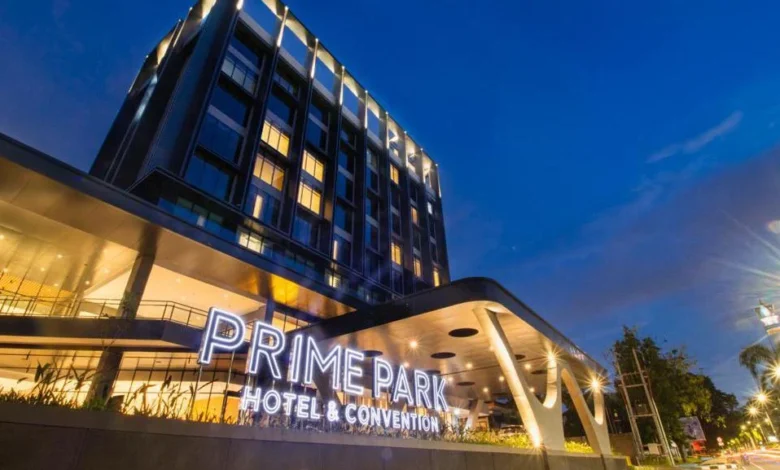
According to Made Adiyasa, Chairman of the Mataram Hotel Association, the properties currently reporting 100% occupancy are categorized within the three-to-five-star range. The list of fully booked establishments includes prominent names such as Hotel Prime Park, Hotel Astoria, Lombok Golden Palace, Lombok Raya, and Hotel Aston. These figures represent only the initial wave of bookings, as the broader hotel sector in Mataram remains in a state of high activity with occupancy rates for similar-tier establishments fluctuating between 80% and 97%.
A Shifting Landscape of Accommodation Demand
The current booking data provides a granular look at how travelers are positioning themselves for the race weekend, which is set for October 9–11, 2026. While the luxury and mid-to-upper-tier segments are nearing complete exhaustion of inventory, the market for lower-tier accommodations, including two-star hotels and independent guesthouses, remains more fluid. Current data indicates that these properties are hovering at approximately 60% occupancy. This discrepancy is attributed to the varying preferences of international tourists who typically prioritize proximity to main thoroughfares and proximity to event-related logistics.
The behavior of travelers in 2026 appears to mirror the patterns observed in previous years. Adiyasa noted that there remains a significant segment of the market—predominantly domestic spectators—that engages in "last-minute" booking strategies. "The behavior of guests remains consistent with previous years; they tend to book at the last minute. Because Mataram is a critical hub for accommodation during the race dates of October 10 and 11, we expect the remaining inventory to be absorbed rapidly as the event approaches," Adiyasa stated.
Strategic Advantages of the Mataram Market
One of the primary drivers of Mataram’s popularity is the flexibility offered by its hospitality sector compared to the KEK (Special Economic Zone) Mandalika area. In the immediate vicinity of the Mandalika Circuit, many hotels have implemented a mandatory minimum stay policy, often requiring guests to book for at least four nights to manage the logistical challenges of peak-season demand. Conversely, hotels in Mataram have opted for a more flexible approach, which has made the capital city an attractive alternative for travelers who may have shorter itineraries or who prefer the urban amenities of Mataram over the resort-centric environment of the south.
This strategic difference has allowed Mataram to serve as a vital buffer zone for the thousands of attendees, crew members, and journalists who descend upon Lombok for the race. By avoiding rigid minimum stay requirements, Mataram hotels have effectively lowered the barrier to entry for many spectators, ensuring that the economic benefits of the MotoGP influx are distributed across a wider geographic area.
The 2026 Event Calendar and Economic Significance
The 2026 edition of the MotoGP Mandalika is more than just a three-day race; it is a multi-day cultural and economic festival designed to maximize tourism revenue for the West Nusa Tenggara (NTB) province. The event schedule includes several critical components:
- October 7, 2026: A highly anticipated parade of MotoGP riders is slated to take place in the heart of Mataram. This event serves as a major public relations tool, bridging the gap between the racing world and the local population.
- October 8–11, 2026: The duration of the race weekend, complemented by extensive activations including large-scale exhibitions and bazaars featuring hundreds of local Micro, Small, and Medium Enterprises (MSMEs).
The integration of local businesses into the MotoGP ecosystem is a cornerstone of the provincial government’s strategy. By showcasing local crafts, culinary products, and services, the event aims to provide a long-term economic boost to the community, rather than relying solely on hospitality-sector revenue. The AHM’s optimism regarding occupancy rates is therefore linked not just to the race itself, but to the holistic experience curated for visitors.
Analytical Outlook: Achieving Full Capacity
The Mataram Hotel Association remains cautiously optimistic about the overall performance of the sector leading up to the race. While the current average occupancy for three-star hotels and above is approximately 82%, the goal is to stabilize the total market average between 85% and 90% by the time the event commences.
"If we look at the increasing velocity of ticket inquiries and the overall travel sentiment, it is entirely possible that we could touch 100% occupancy across the board," Adiyasa noted. This projection is backed by historical data from the 2022 and 2023 races, where demand peaked sharply in the final two weeks preceding the event.
However, industry analysts suggest that while the growth is promising, stakeholders must manage the surge carefully to maintain service standards. The influx of tens of thousands of visitors requires a high level of coordination between local transport providers, hospitality managers, and municipal authorities. The "last-minute" booking trend, while beneficial for revenue management, poses challenges for staffing and resource allocation. Hotels are currently navigating these constraints by maintaining lean operational structures that can be scaled up on short notice.
Broader Implications for Lombok’s Tourism Strategy
The reliance on Mataram as a primary accommodation hub for the MotoGP event underscores the ongoing development of Lombok’s tourism infrastructure. The expansion of the airport and the improvement of road connectivity between Mataram and the Mandalika Circuit have transformed the city into a functional base camp for international sporting events.
Furthermore, the success of the 2026 booking cycle will likely influence future investments in the hospitality sector. If Mataram consistently achieves high occupancy rates during major international events, developers are more likely to pursue expansion projects in the city, further solidifying its status as a premier destination for business and leisure tourism in Eastern Indonesia.
As the race date approaches, the synergy between the government’s promotional efforts and the private sector’s accommodation capacity will be tested. For now, the city of Mataram is preparing for a significant economic windfall, with hotel owners readying their facilities to host a global audience. The event stands as a testament to the region’s growing capability to host large-scale, international-grade sporting events, provided that the current momentum in booking and logistical planning is sustained.
In conclusion, the data from the Mataram Hotel Association paints a picture of a region that is well-prepared for the 2026 MotoGP Mandalika. With five hotels already at maximum capacity and the broader market showing strong, consistent growth, the economic outlook for the province remains positive. As the race organizers finalize the details for the rider parade and the MSME exhibitions, the focus will undoubtedly shift toward ensuring that the logistical execution matches the high levels of consumer demand seen in the current booking trends. Whether the city hits the 100% threshold remains to be seen, but the trajectory is firmly aimed at a highly successful and profitable event for the Indonesian tourism sector.