The landscape of modern computing is undergoing a significant transformation with the introduction of new operating systems designed specifically to integrate advanced artificial intelligence directly into the user experience. Lenovo, a global leader in personal technology, has officially announced the launch of the Googlebook 15, marking its entry into the pioneering class of devices powered by Googlebook OS. Designed to cater to professionals, creators, and everyday users who demand both portability and high-tier performance, this new release represents a strategic shift in how hardware and software ecosystems converge. By combining cutting-edge display technology from the mobile and television sectors with next-generation Intel processors, Lenovo aims to set a new benchmark for premium, lightweight productivity laptops in an increasingly competitive marketplace.
Comprehensive Hardware Specifications and Display Technology
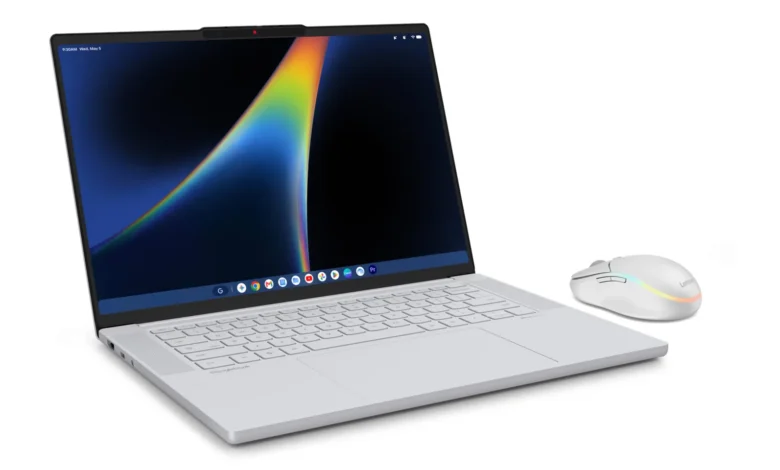
At the heart of the Lenovo Googlebook 15 is a stunning visual apparatus anchored by a 15.3-inch OLED touchscreen panel. Boasting a crisp 2.8K resolution, the display delivers deep blacks, vibrant contrast ratios, and exceptional color accuracy, making it exceptionally well-suited for both intensive multitasking workflows and immersive multimedia consumption. Despite housing a screen of this magnitude, Lenovo’s engineering team has achieved a remarkable feat in structural design. The Googlebook 15 is touted as the lightest 15-inch laptop within the manufacturer’s current portfolio, tipping the scales at a mere 1.29 kg. This lightweight profile challenges the conventional trade-off between screen real estate and physical mobility, offering users an expansive workspace without the burden of heavy transport.
Beneath the sleek chassis, the device is powered by the Intel Core Ultra 5 325 processor, built on the advanced Panther Lake architecture. This processor is engineered to optimize power efficiency while delivering robust computational capabilities necessary for demanding applications and local AI workloads. Memory configurations are flexible, with Lenovo offering LPDDR5X RAM options of either 16GB or 32GB to ensure smooth multitasking performance. Storage needs are met through high-speed solid-state drives available in 256GB and 512GB capacities. Powering this hardware configuration is a 70Wh battery, carefully integrated to balance all-day endurance with the high energy demands of an expansive OLED panel and a high-performance processor.
Advanced Features, Security, and Modern Connectivity
In alignment with modern consumer expectations for remote work and hybrid environments, the Googlebook 15 comes equipped with a comprehensive suite of multimedia and security enhancements. The laptop features a high-definition 5-megapixel webcam equipped with a physical privacy shutter, addressing growing privacy concerns among digital consumers. Biometric security is multi-layered, incorporating both a responsive fingerprint sensor and advanced facial recognition capabilities for seamless and secure sign-ins.
A standout aesthetic and functional signature of the Googlebook lineup is the inclusion of the Glowbar, an interactive lighting element that provides visual cues and system status updates. Audio performance has likewise received significant attention, with Lenovo integrating a quad-speaker array enhanced by Dolby Atmos certification to deliver rich, room-filling sound dynamics.
Connectivity on the Googlebook 15 is future-proofed to meet the demands of modern wireless and wired infrastructure. The device supports Wi-Fi 7 and Bluetooth 6.0, ensuring ultra-fast data transfer rates and highly stable peripheral connections. Physical input-output options are surprisingly robust for such a slim profile, featuring dual Thunderbolt 4 ports, a full-sized USB 3.2 port, an HDMI 2.0 output for external display connectivity, and a standard 3.5mm headphone jack.

Background Context and Industry Chronology
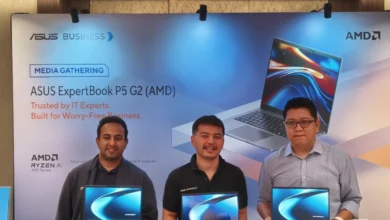
The introduction of the Googlebook 15 does not occur in a vacuum; it is part of a broader, synchronized industry rollout of Googlebook OS-powered hardware. Earlier in the product lifecycle cycle, competing manufacturers such as ASUS unveiled complementary models, including the ASUS Googlebook 14, which similarly leverage OLED display technology and Panther Lake processors. This coordinated hardware push highlights a strategic alignment between Google, silicon manufacturers like Intel, and major original equipment manufacturers (OEMs) to establish a unified, AI-first computing paradigm.
The genesis of the Googlebook ecosystem can be traced back to growing industry demand for operating systems that seamlessly blend cloud-based intelligence with local hardware acceleration. As generative artificial intelligence and machine learning tools become deeply embedded in professional and educational workflows, traditional operating systems have faced pressure to evolve. Lenovo’s timely entry into this space reflects a proactive approach to capturing market share in the premium productivity segment, capitalizing on consumer fatigue with heavier, legacy form factors.
Market Positioning, Pricing, and Availability
Positioned firmly in the premium tier, the Lenovo Googlebook 15 carries a starting manufacturer’s suggested retail price of USD 1,099, translating to approximately Rp18 million based on current currency exchange rates. Global market availability is officially scheduled to commence in October, giving consumers and enterprise buyers a clear window for upcoming technology acquisitions.
However, official announcements regarding localized availability and exact pricing structures for Southeast Asian markets, including Indonesia, remain pending. Industry analysts anticipate that regional subsidiaries will release localized release schedules and pricing details closer to the global shipping date, taking into account regional import regulations, logistical considerations, and local tax frameworks.
Implications and Future Outlook for the Laptop Industry
The launch of the Lenovo Googlebook 15 carries several noteworthy implications for the personal computer industry. First, it demonstrates that consumers no longer need to sacrifice portability to enjoy large-format displays. By successfully packing a 15.3-inch OLED screen into a chassis weighing under 1.3 kilograms, Lenovo has raised the bar for structural engineering and material science in laptop manufacturing.
Second, the reliance on Panther Lake processors underscores the semiconductor industry’s pivot toward specialized neural processing and energy efficiency. As software increasingly relies on artificial intelligence for tasks ranging from predictive text generation to automated video editing, hardware platforms like the Googlebook 15 will serve as the testing ground for how consumers interact with ambient computing.
Finally, the expansion of the Googlebook ecosystem signals increased competition for established operating systems like Windows and macOS. By offering a specialized, AI-centric platform with premium hardware backing from tier-one manufacturers like Lenovo and ASUS, Google is positioning its OS as a viable third pillar in the desktop and laptop computing landscape. Whether enterprise users and mainstream consumers will embrace this paradigm shift will largely depend on software ecosystem maturity and application compatibility in the months following the October rollout.