Zinedine Zidane Begins New Era for Les Bleus as UEFA Nations League Group A1 Returns with High-Stakes Fixtures Across Europe

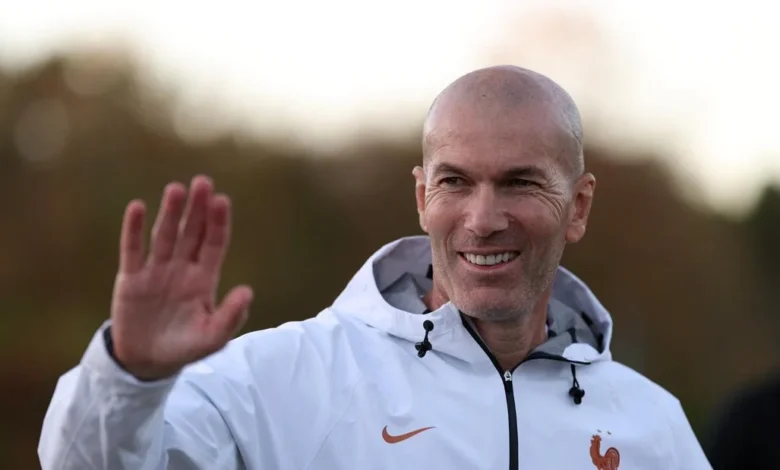
The European football calendar reaches a fever pitch this weekend as the UEFA Nations League returns with a compelling slate of fixtures from League A, headlined by the much-anticipated managerial debut of Zinedine Zidane at the helm of the French national team. As Les Bleus travel to the Kocaeli Stadyumu to face a formidable Turkey side, the wider footballing world turns its attention to Istanbul, where a new chapter in French football history is officially set to unfold.
Alongside the heavyweight clash in Group A1, continental action brings another high-profile fixture to the Stadio Olimpico in Rome, where a rebuilding Italy side hosts Belgium. With both matches scheduled for the early hours of Saturday, September 26, 2026, at 01:45 WIB, European football enthusiasts are guaranteed a night of tactical intrigue, emotional homecomings, and high-stakes international competition.
The Dawn of the Zidane Era in Paris
The headline story of this international window undeniably belongs to Zinedine Zidane. The legendary former midfielder, whose golden boot and inspiring vision once carried France to glory at the 1998 FIFA World Cup and UEFA Euro 2000, has finally assumed the role he was seemingly destined for. Zidane steps into the technical area to succeed Didier Deschamps, whose illustrious, trophy-laden tenure came to a close following the conclusion of the 2026 FIFA World Cup cycle.
For years, speculation mounted over when, not if, Zidane would take charge of the senior national team. Having successfully disconnected from club management since his second, highly successful stint at Real Madrid—where he etched his name into football lore by capturing three consecutive UEFA Champions League titles alongside multiple La Liga crowns—Zidane opted for the international stage.
The French Football Federation (FFF) moved swiftly to secure his signature, viewing the iconic tactician as the ideal figure to maintain Les Bleus’ status as a global powerhouse while instilling an aesthetic, dynamic brand of football. Expectations are stratospheric. Fans and pundits alike are eager to see whether Zidane’s famed man-management skills and tactical pragmatism can translate smoothly from the club level to the unpredictable rhythms of international football.
The immediate test for the new manager is no walk in the park. Turkey, playing on home soil at the Kocaeli Stadyumu, has built a reputation as one of the most passionate, fiercely competitive sides in European football. Backed by a raucous home crowd, the Turkish Crescent-Stars are eager to make a definitive statement in Group A1. For Zidane, navigating this hostile environment without the benefit of a long preparatory camp will serve as an immediate barometer of his tactical flexibility.
Tactical Evolutions and High Stakes in Rome
While all eyes will be fixed on Istanbul, Rome plays host to a fascinating tactical duel between two sides undergoing significant transitional phases. Italia welcomes Belgia to the historic Stadio Olimpico in a fixture rich with narrative subplots, most notably involving the dugouts.
The Azzurri enter this fixture under the stewardship of a familiar face: Roberto Mancini. In a surprising yet widely welcomed development, Mancini has returned for a second tenure as Italy’s head coach. His reappointment comes in the wake of Italy’s devastating failure to qualify for the 2026 FIFA World Cup—a historic nadir that marked the third consecutive time the four-time world champions missed the globe’s premier tournament.
Mancini’s first tenure, spanning from 2018 to 2023, remains a study in contrasts. On one hand, he masterminded Italy’s triumphant run to the European Championship title at UEFA Euro 2020, revitalizing a stale national setup with vibrant, possession-based football. On the other hand, the subsequent inability to secure World Cup qualification ultimately led to his departure. Now, tasked with restoring national pride and ushering through a new generation of Italian talent, Mancini faces the ultimate redemption arc. The Azzurri faithful will demand an immediate response, looking for signs that the tactical discipline and defensive solidity which defined their Euro 2020 triumph can be successfully resurrected.
Standing in their way is a Belgian national team navigating its own post-tournament evolution. Following a run to the quarterfinals of the 2026 FIFA World Cup under the guidance of Rudi Garcia, the Royal Belgian Football Association opted for a change in direction, appointing former Netherlands international Marc van Bommel as head coach.
Van Bommel, known for his uncompromising competitiveness during his playing days and a rigorous, disciplined approach to management, represents a stark stylistic shift for the Red Devils. As Belgium continues the delicate process of integrating younger prospects alongside the remnants of their celebrated "Golden Generation," Van Bommel’s primary objective is to establish defensive resilience and tactical rigidity. The clash between Mancini’s revitalized tactical idealism and Van Bommel’s pragmatic steel promises to be one of the tactical highlights of the group stage.
The UEFA Nations League: Context and Format Significance
As the UEFA Nations League enters its latest edition, the tournament has firmly cemented its status as a vital component of the international football calendar. Conceived to replace meaningless international friendlies with competitive, high-stakes fixtures, the competition provides European nations with a secondary pathway to major tournament qualification while fostering fierce sporting rivalries.
Group A1 represents the absolute elite tier of the competition, featuring four nations with rich footballing histories and aspirations of continental dominance. In a tournament format where every point dictates seedings and survival in League A, there is no margin for error. For France, the Nations League offers an immediate platform to validate the Zidane appointment with silverware. For Italy, it serves as a psychological rehabilitation center following their World Cup heartbreak. For Turkey and Belgium, it is an opportunity to disrupt the traditional European hierarchy and assert their credentials as genuine title contenders.
Chronology of the Fixtures
The countdown to the opening whistle has kept sports newsrooms across the continent busy as squads assemble and managers finalize their tactical blueprints.
The build-up to the September international window began weeks in advance, with squad announcements sparking intense debate across sports media. Zidane’s maiden roster selection for France dominated headlines, as pundits analyzed whether the new coach would immediately overhaul the squad or rely on the core group of veterans who served under Deschamps. Meanwhile, in Italy, Mancini’s preliminary training camps at Coverciano focused heavily on psychological recovery and restoring the tactical cohesion that had gone missing during their qualification woes.
On Friday, September 25, final pre-match press conferences took place across Istanbul and Rome. Managers addressed the media, outlining their readiness for the grueling autumn campaign. Zidane, maintaining his characteristic composure, emphasized the collective responsibility of the French squad to perform from minute one. In Rome, Mancini spoke candidly about his return, acknowledging the immense weight of the Azzurri badge and the necessity of beginning this new era with a victory.
The action culminates on Saturday, September 26, 2026, at precisely 01:45 WIB, when both Group A1 matches kick off simultaneously, setting off a wave of intense 90 minutes of football that will reverberate throughout the European football landscape.
Implications and Broader Analysis
The outcomes of these opening fixtures will carry significant weight, extending far beyond the immediate league standings.
For France, a successful debut for Zinedine Zidane would validate the FFF’s calculated gamble, easing any early pressure and establishing a harmonious dressing room environment. Conversely, any stumble against Turkey would immediately provide ammunition to critics questioning the wisdom of replacing a proven international tournament winner with a manager whose legendary status was forged exclusively in the pressurized cauldron of club football.
In the other fixture, the tactical battle between Roberto Mancini and Marc van Bommel will offer a fascinating glimpse into the future trajectory of two proud footballing nations. For Italy, securing a statement victory against top-tier opposition at the Stadio Olimpico is imperative to convincing a skeptical public that the dark days of World Cup absenteeism are truly behind them. For Belgium, an away win in Rome would signal that under Van Bommel, the Red Devils are more than capable of transitioning into a ruthless, highly efficient tournament side capable of trading blows with Europe’s elite.
As the floodlights illuminate the Kocaeli Stadyumu and the Stadio Olimpico, players and managers alike step onto the pitch knowing that history is watching. With legends in the dugouts, high-stakes points on the line, and the pride of millions at stake, the return of the UEFA Nations League promises a night of unforgettable sporting drama.
Related posts: