Madrid Housing Crisis Explodes as Citizens Camp in Puerta del Sol Following Controversial Evictions

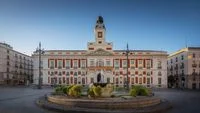
The heart of Spain’s capital has transformed into an encampment of dissent as thousands of residents take to the streets to protest a spiraling housing and rental affordability crisis. Centered in Puerta del Sol, one of Madrid’s most iconic public squares, the protest movement has seen demonstrators pitch roughly 100 tents, vowing to remain indefinitely until federal and regional governments implement sweeping structural reforms. The demonstrations, which gained intense momentum in late September, reflect widespread public frustration over skyrocketing housing costs, aggressive real estate speculation, and the vulnerability of long-term tenants in an increasingly hostile urban housing market.
The Catalyst: The Eviction of Maricarmen Abascal
The immediate spark that ignited this wave of public outrage was the high-profile eviction of 87-year-old Maricarmen Abascal. On September 23, Abascal was forced to vacate the Madrid apartment she had called home for over seven decades. According to data provided by the Madrid Tenants’ Union, the property had recently been acquired by a real estate corporate entity. Shortly after the acquisition, the new owners reportedly hiked the monthly rent by a staggering 275 percent, pushing the cost to 2,650 euros (approximately $3,000 USD)—an utterly unattainable sum for an elderly resident living on a fixed income.
Abascal’s forced departure struck a raw nerve among the working class and younger generations in Madrid, who view her case not as an isolated incident, but as a glaring symptom of a broken housing ecosystem. Alberto Macias, a 24-year-old tennis instructor participating in the Puerta del Sol protest, described Abascal’s eviction as the breaking point for a community already pushed to the brink by relentless cost-of-living increases. The incident galvanized thousands, transforming simmering economic anxiety into organized, highly visible civil disobedience.
Chronology of the Puerta del Sol Encampment
The mobilization in Puerta del Sol is characterized by a high degree of organization and solidarity among participants and volunteers. The chronology of the protests highlights a rapidly escalating standoff between civil society and policymakers:
- September 23: Eighty-seven-year-old Maricarmen Abascal is evicted from her apartment of 70 years following a 275 percent rent increase by a real estate firm, triggering widespread media coverage and public anger.
- September 26: Demonstrators formally establish an encampment in Puerta del Sol, pitching the first wave of tents to protest housing precarity, eviction practices, and unaffordable rents.
- Late September to Present: The protest camp expands to approximately 100 tents. A network of supporters, activists, and volunteers organizes a steady supply chain, providing food, clean water, portable power banks, and sanitation services to sustain the overnight demonstrators.
- Ongoing: Peaceful activists and student participants, such as 22-year-old university student David Muller-Plantenberg, pledge to maintain the occupation until lawmakers introduce binding legislative solutions to address the housing emergency.
Demands for Structural Reform and Legislative Action
While the protest was galvanized by an individual tragedy, the demonstrators’ grievances encompass a broad spectrum of systemic policy failures. Protest organizers and housing advocacy groups are demanding a profound overhaul of Spain’s housing laws. Their core demands include:
- Long-Term Lease Protections: Implementation of mandatory, secure long-term rental contracts that provide stability for tenants and prevent sudden, predatory price hikes.
- Comprehensive Rent Controls: Strict legislative caps on rental increases to prevent landlords and investment firms from pricing working-class residents out of traditional neighborhoods.
- Restrictions on Short-Term Tourist Rentals: Drastic limitations on properties diverted into platforms like Airbnb, which activists argue deplete the residential housing stock and artificially inflate market values.
- Massive Public Housing Investment: A significant, state-backed infusion of capital to construct and expand public housing infrastructure, ensuring affordable options for lower-income demographics.
The Government Response and the Proposed ‘Maricarmen Decree’
In response to the mounting political pressure and continuous media coverage of the Puerta del Sol occupation, the administration of Prime Minister Pedro Sánchez has signaled that it is reviewing emergency legislative measures. Reports indicate that the government is considering a specialized policy package unofficially dubbed the “Maricarmen decree.”
This prospective decree is anticipated to include provisions for the automatic extension of existing rental contracts and enhanced legal protections designed to restrict and delay evictions, particularly for vulnerable populations such as the elderly.
However, housing activists and protest leaders have expressed skepticism regarding these rumored administrative measures, arguing that they do not go far enough. Demonstrators maintain that temporary fixes or localized decrees are insufficient to solve a crisis deeply embedded in the mechanics of modern real estate speculation. They continue to demand permanent, structural legislative changes that permanently alter the balance of power between corporate landlords and residential tenants.
Broader Economic Implications and the Urban Housing Crisis
The protests in Madrid are emblematic of a broader, continent-wide urban housing crisis driven by a confluence of macroeconomic factors. Analysts point to the rapid growth of institutional real estate investment funds, the prioritization of residential property as financial assets rather than human necessities, and the proliferation of unregulated short-term holiday rentals as primary drivers of market distortion.
In major European metropolitan areas like Madrid, Barcelona, Lisbon, and Berlin, housing affordability has deteriorated significantly over the past decade. Wages have largely stagnated while rental and property acquisition costs have surged, creating an affordability gap that disproportionately impacts young professionals, low-income families, and retirees.
Economists and housing policy experts warn that if cities fail to address these systemic imbalances, the socioeconomic fabric of urban centers risks severe erosion. The displacement of working-class communities not only increases homelessness and housing insecurity but also forces essential workers—such as teachers, healthcare providers, and service industry employees—to commute from distant peripheries, straining urban infrastructure and regional transportation networks.
As the tents remain pitched in Puerta del Sol, the standoff in Madrid serves as a powerful testament to the urgency of the housing debate. Whether the Spanish government’s proposed policy interventions will satisfy the demands of the demonstrators remains to be seen, but the events in the capital have undeniably elevated the housing crisis to the forefront of the national political agenda.
Related posts: