The Evolution of Travel as a Modern Lifestyle: Why Experiences Outweigh Material Wealth for the Younger Generation


The paradigm of modern wealth and personal achievement is undergoing a profound structural shift. For contemporary generations, particularly Millennials and Generation Z, the traditional markers of adulthood—such as acquiring heavy physical assets early in life—are increasingly taking a back seat to experiential consumption. At the epicenter of this cultural transformation is lifestyle travel, a phenomenon where exploring the globe is no longer viewed merely as an occasional holiday pastime, but rather as an essential, ongoing component of personal development, identity formation, and long-term fulfillment.
This socio-cultural evolution reflects a broader rejection of hyper-materialism in favor of investments that yield intangible, yet lasting, psychological and emotional dividends. As global connectivity expands and the accessibility of international and domestic tourism surges, younger demographics are actively redefining what it means to build a successful and meaningful life.
The Shift from Material Accumulation to Experiential Investment
Historically, financial planning for young adults centered heavily on traditional capital accumulation. Past generations prioritized allocating the vast majority of their disposable income and savings toward tangible, long-term investments, most notably real estate, automobiles, and institutional financial products. The overarching life script dictated finishing education, securing stable corporate employment, purchasing a home, and settling down as rapidly as possible.
In stark contrast, the contemporary socio-economic landscape—marked by fluctuating housing markets, shifting employment models, and the rise of the gig economy—has fundamentally altered the feasibility and appeal of these traditional milestones. For today’s youth, the exorbitant cost of property ownership in major urban centers often makes traditional investments an elusive or unappealing short-term goal. Instead, younger populations are choosing to redirect their financial resources toward mobile lifestyles and episodic or continuous travel.
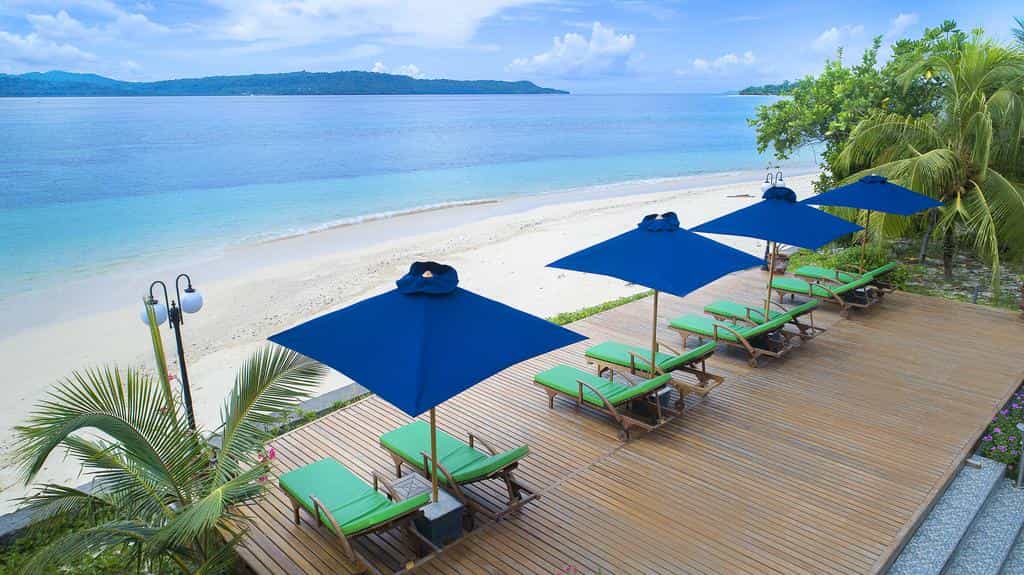
Sociological and economic data underline this trend. Market research consistently shows that younger consumers consistently prioritize spending on experiences over physical goods. Travel is perceived not as a fleeting luxury, but as a critical vehicle for self-discovery, stress reduction, and cultural education. Proponents of lifestyle travel argue that memories, expanded worldviews, and cross-cultural competencies accumulated during youth hold intrinsic value that cannot be depreciated by market fluctuations, unlike physical commodities.
Technological Enablers and the Rise of the Digital Nomad
The acceleration of lifestyle travel as a mainstream phenomenon has not occurred in a vacuum; it is deeply intertwined with unprecedented advancements in information technology and telecommunications. The proliferation of high-speed mobile internet, affordable low-cost carrier aviation, and the global normalization of remote work have dismantled the traditional geographic constraints of employment.
The COVID-19 pandemic served as a major catalyst, permanently altering corporate attitudes toward remote operations. Millions of desk workers discovered that their professional duties could be executed effectively from virtually anywhere with a reliable internet connection. This realization birthed or accelerated the "digital nomad" subculture, where professionals seamlessly integrate career responsibilities with continuous global exploration.
Concurrently, social media ecosystems have acted as both an inspiration and a visual catalog for aspiring travelers. Platforms like Instagram, TikTok, and specialized travel blogs expose users to breathtaking landscapes, hidden cultural gems, and diverse lifestyles on a daily basis. While critics often point out the curated and sometimes superficial nature of social media content, its undeniable power lies in inspiring curiosity and lowering the psychological barrier to entry for international exploration.
Psychological and Social Implications of Experiential Tourism
Beyond the surface-level appeal of picturesque destinations and leisure, psychological research increasingly supports the notion that spending money on experiences contributes more significantly to long-term subjective well-being than purchasing material possessions. Experiences become integrated into an individual’s identity. While a new car or designer garment inevitably experiences physical wear and social obsolescence, memories of navigating a foreign city, overcoming a logistical hurdle abroad, or forming bonds with people from entirely different cultural backgrounds tend to be viewed with increasing fondness over time—a psychological phenomenon known as the fading affect bias.

Furthermore, lifestyle travel fosters critical cognitive and social skills. Immersion in unfamiliar environments requires individuals to exercise adaptability, problem-solving, and cross-cultural communication. Navigating language barriers, adjusting to unfamiliar culinary traditions, and respecting local social norms build a high degree of emotional intelligence and resilience. Sociologists suggest that these competencies are increasingly valuable in an interconnected global economy, where employers actively seek candidates with international awareness and adaptability.
Practical Frameworks for Adopting Lifestyle Travel
Transitioning from traditional routines to a travel-centric lifestyle requires deliberate planning, psychological readiness, and a departure from conventional security blankets. Experts in modern mobility recommend several foundational principles for individuals seeking to incorporate lifestyle travel into their personal and professional lives:
Cultivating Psychological Resilience and Courage
The primary obstacle preventing individuals from embracing lifestyle travel is often fear—fear of financial instability, fear of the unknown, or the paralyzing desire for absolute security. Cultivating a lifestyle of travel demands a fundamental shift in mindset: moving away from the need for exhaustive preparation and toward a willingness to navigate uncertainty. Proponents emphasize that prospective travelers do not need immense accumulated wealth to begin; rather, they require the resourcefulness to survive and adapt using the skills and capital at hand.
Embracing Flexibility and Spontaneous Adaptation
While structured itineraries provide a baseline of security, rigid travel planning can often be counterproductive. Unforeseen circumstances—ranging from transportation delays and weather disruptions to unexpected local invitations—frequently alter travel trajectories. Adopting a flexible mindset allows travelers to fully embrace local opportunities that fall outside their original itinerary. Over-reliance on strict schedules often blinds travelers to the authentic, spontaneous moments that define truly transformative journeys.
Developing Cross-Cultural Adaptability
A successful long-term travel lifestyle is predicated upon cultural humility and adaptability. Navigating diverse societies requires deep respect for local customs, languages, and social hierarchies. Travelers who view themselves as temporary observers rather than entitled consumers are better equipped to integrate smoothly into foreign communities. This adaptability serves as a transferable life skill, enhancing interpersonal relations long after the journey concludes.

Broader Economic and Cultural Impacts
The widespread adoption of lifestyle travel carries significant implications for the global economy. The traditional tourism industry is evolving rapidly to accommodate the demands of slow travelers, remote workers, and experiential tourists. Destinations that once relied exclusively on short-term vacationers are now developing infrastructure—such as co-working spaces, long-term rental frameworks, and digital nomad visa programs—to attract individuals seeking to live and work abroad semi-permanently.
At the same time, this trend presents challenges, particularly regarding sustainable tourism and the cost of living in popular destination hubs. Local housing markets in regions frequented by digital nomads and lifestyle travelers have occasionally experienced inflationary pressures, prompting policymakers to balance the economic benefits of long-term tourism with the welfare of resident populations.
Ultimately, the rise of lifestyle travel signifies a permanent shift in generational values. By prioritizing experiential wealth over material accumulation, contemporary generations are authoring a new blueprint for human fulfillment—one measured not by the square footage of a home or the brand of an automobile, but by the breadth of the world seen, the depth of the cultures understood, and the resilience forged along the way.