Ensuring Adequate Daily Hydration for Children: Essential Strategies and Health Implications for Growing Bodies

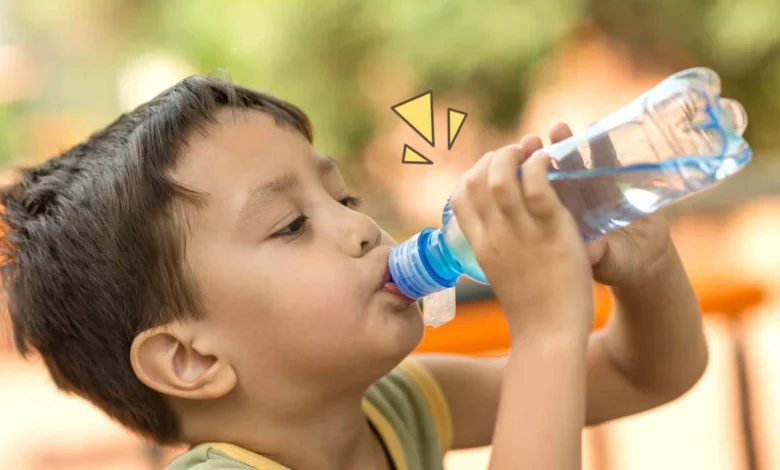
Maintaining optimal hydration is a foundational yet frequently overlooked pillar of pediatric health and development. While parents are often meticulous about nutritional intake, macronutrients, and vitamin supplementation, the sheer volume of water required by a growing body can easily slip through the cracks of daily management. Water is not merely a thirst quencher; it is a vital biochemical medium that regulates internal body temperature, lubricates joints, transports essential nutrients, and flushes out metabolic waste.
Recent clinical insights underscore the far-reaching benefits of proper hydration during the formative years of childhood and adolescence. According to foundational research published in the American Journal of Public Health, maintaining adequate water consumption directly correlates with sustained healthy body weight, a reduction in dental and oral health issues, and measurable improvements in cognitive performance, including enhanced concentration, memory retention, and academic engagement. Conversely, even mild dehydration can trigger acute physiological and psychological deficits, rendering children vulnerable to fatigue, irritability, headaches, and diminished physical endurance.
Understanding the unique physiological vulnerabilities of children is the first step toward effective hydration management. Pediatric populations possess a higher body surface-area-to-mass ratio than adults, coupled with an accelerated metabolic rate and a tendency to engage in spontaneous, high-intensity physical activity. These biological factors cause children to lose body fluids significantly faster through respiration and perspiration. Because children may not possess the self-regulation skills to recognize early thirst cues during play or learning, the responsibility falls squarely on parents and caregivers to proactively monitor and manage fluid intake throughout the day.

Physiological Mechanisms and Daily Fluid Requirements
Hydration needs are dynamic, shifting continuously in response to age, body weight, environmental temperature, humidity, and the intensity of physical exertion. Infants, toddlers, school-aged children, and adolescents all occupy distinct metabolic brackets that dictate precise fluid volumes. For instance, toddlers navigating rapid motor development require consistent, moderate fluid replenishment, while older children engaged in sports or outdoor recreation face accelerated electrolyte and water depletion.
Clinical guidelines emphasize that standard baseline requirements must be adjusted upward during periods of high ambient heat or rigorous athletic training. Pediatric sports medicine literature highlights that children aged 9 to 12 participating in vigorous sports require targeted replenishment—specifically consuming between 80 milliliters and 230 milliliters of fluid every 20 minutes of active play—to compensate for sweat loss and prevent the onset of heat-related illnesses. Failure to meet these heightened demands can rapidly precipitate systemic dehydration, placing undue stress on the cardiovascular and renal systems.
Comprehensive Strategies for Enhancing Pediatric Fluid Intake
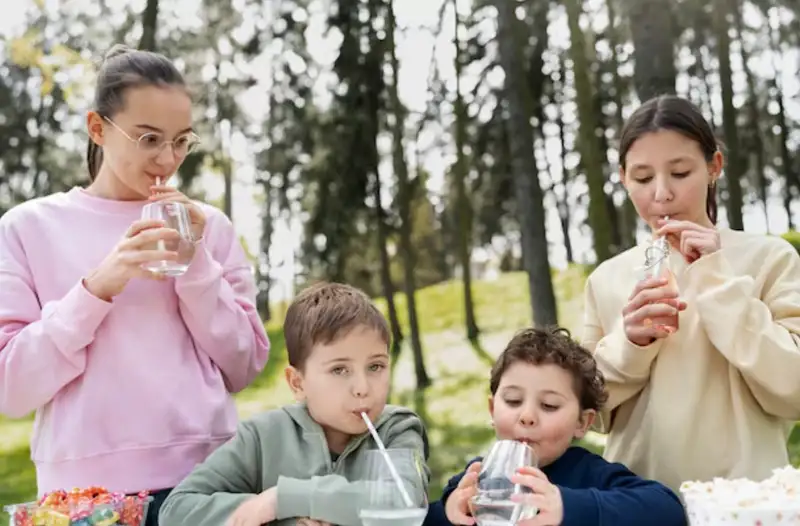
Integrating consistent fluid intake into a child’s daily routine requires a blend of behavioral psychology, culinary creativity, and environmental design. Pediatric health advocates recommend several evidence-based strategies that transform hydration from a parental chore into an engaging, self-reinforcing habit.
First, gamifying the drinking experience can dramatically alter a child’s receptiveness. Utilizing brightly colored drinkware, cups featuring favorite fictional characters, or translucent bottles with measurable time-marker goals encourages children to view drinking water as a fun, autonomous activity rather than an obligation. This removes the friction of compliance and fosters lifelong healthy habits.
Second, addressing taste fatigue is crucial for children who resist plain water. Infusing water with natural flavor profiles offers a compelling alternative to sugary commercial beverages. Parents can prepare artisanal "infused water" by adding sliced citrus fruits, strawberries, cucumbers, or fresh mint leaves to a pitcher and allowing the natural essences to steep. This imparts a subtle, refreshing sweetness without introducing processed sugars or artificial additives, simultaneously serving as a visual and gustatory incentive.
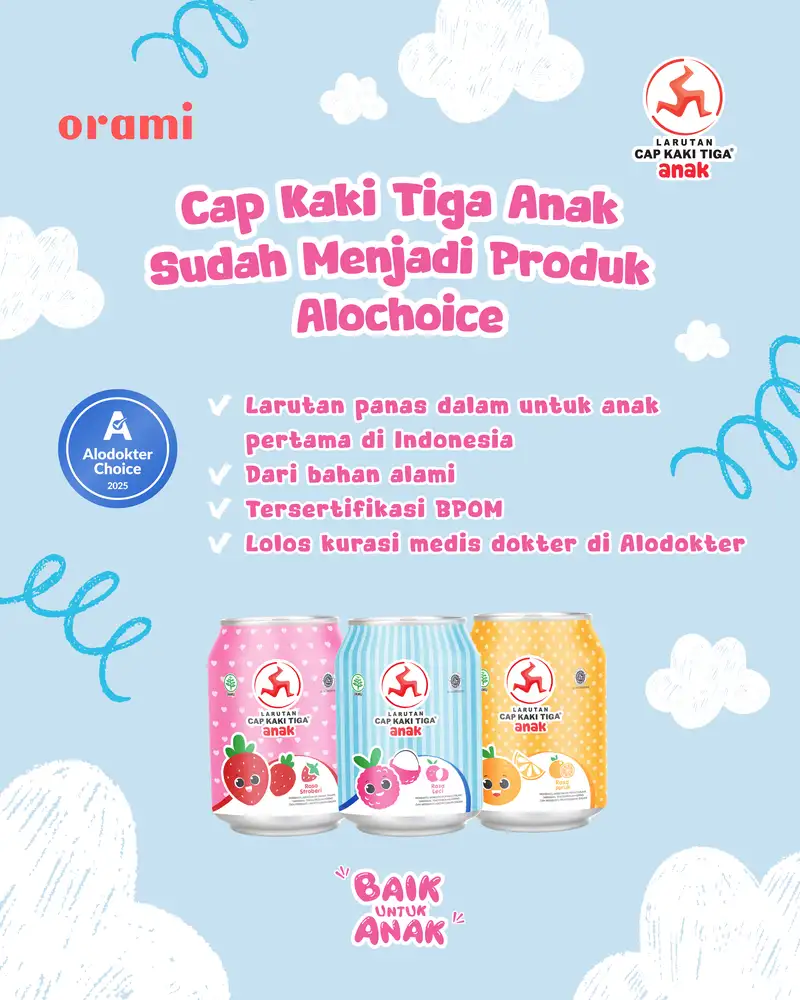
Third, specialized functional beverages can serve as a supportive tool in a parent’s hydration arsenal. For instances of heat exposure, intense physical activity, or mild systemic distress such as a dry throat or minor heat-related discomfort, targeted formulations like Cap Kaki Tiga Anak provide specialized support. Formulated specifically for pediatric consumers with safe, traditional ingredients such as Gypsum Fibrosum and Calcitum, this refreshing solution aids in internal cooling and hydration maintenance. As the pioneer of children’s cooling solutions in Indonesia, such products—duly registered with regulatory bodies like BPOM and endorsed by medical professionals—offer parents an accessible secondary option to complement standard water intake during challenging weather conditions or seasonal ailments like mild canker sores and dehydration-related discomforts.
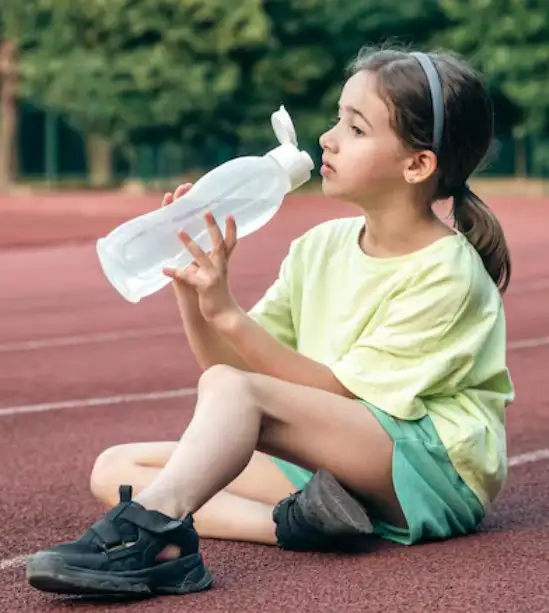
Fourth, the habit of portable hydration should be institutionalized early. Equipping children with a lightweight, durable, and safe personal water bottle for school, playground visits, and family outings ensures that fluid is perpetually within reach. When a water bottle is a constant companion, children can sip proactively before thirst sets in, eliminating the physiological lag time associated with late-stage rehydration.
Fifth, dietary incorporation of water-dense foods provides an alternative pathway for fluid absorption. A significant percentage of daily water intake can be sourced from whole foods. Integrating high-water-content fruits—such as watermelon, cantaloupe, oranges, strawberries, and grapes—into daily snacks and meals allows children to ingest vital fluids alongside essential dietary fiber, vitamins, and antioxidants. This method proves particularly effective for children who steadfastly refuse to drink large volumes of plain liquids.
Finally, cognitive engagement through storytelling and education reinforces the value of hydration from an early age. Utilizing illustrated books, animated educational videos, and interactive discussions to explain how water fuels muscles, sharpens the brain, and powers daily adventures helps children internalize the rationale behind drinking fluids. When children understand the "why," they are far more likely to cooperate with the "how."
Clinical Consequences and Implications of Pediatric Dehydration
The ramifications of ignoring pediatric hydration extend far beyond temporary thirst. When fluid intake fails to match metabolic output, the body enters a state of negative fluid balance, initiating compensatory mechanisms that can compromise organ function.
According to data compiled by the National Center for Biotechnology Information (NCBI), clinical manifestations of pediatric dehydration range from mild to severe. Initial symptoms include localized dryness of the mucous membranes in the mouth, increased thirst, and dark-concentrated urine resulting from renal conservation of water. As dehydration progresses, children may exhibit acute dizziness, lethargy, cognitive confusion, and behavioral changes.
In severe scenarios, prolonged fluid deficits can lead to oliguria—a marked reduction in urine output—and tachycardia, a compensatory physiological response where the heart beats at an abnormally rapid rate to maintain systemic blood pressure despite diminished blood volume. These severe markers signal an urgent medical need for fluid resuscitation to prevent cellular damage and circulatory collapse.
The broader public health implications of these findings are profound. Pediatricians and public health analysts emphasize that chronic, low-grade dehydration in school environments directly impairs learning capacity, test performance, and emotional regulation. Children who are even mildly dehydrated demonstrate reduced attention spans and slower processing speeds, which can be misattributed to behavioral or learning disorders when the root cause is entirely physiological.

Conclusion and Future Outlook
Ultimately, safeguarding a child’s hydration status is a multi-faceted responsibility that requires vigilance, education, and proactive environmental structuring by parents, educators, and caregivers. By understanding age-specific fluid requirements, employing creative flavor and delivery mechanisms, integrating water-rich foods, and recognizing the early warning signs of fluid deficits, families can protect children against the insidious risks of dehydration. Ensuring that children are adequately hydrated lays a robust biochemical foundation for sustained physical growth, cognitive agility, and lifelong wellness.