Royal Splendor in Modern India: Prince Martand Singh and Rhea Badal Wed in a Historic Celebration Uniting Aristocracy, Politics, and Tradition

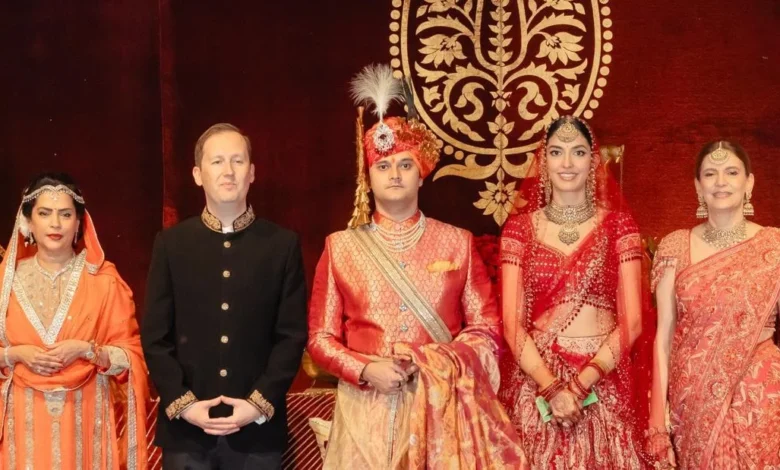
The grand wedding of Prince (Rajkumar) Martand Singh, second-in-line to the throne of Jammu and Kashmir, and Rhea Badal has captivated the nation, marking one of the most culturally significant and politically resonant aristocratic unions in contemporary Indian history. Spanning multiple cities—primarily New Delhi and Jammu—the multi-day celebration successfully bridged India’s regal past with its modern political and democratic landscape. The nuptials brought together former royalty from across the subcontinent, high-ranking federal ministers, diplomats, spiritual leaders, and the nation’s highest-ranking elected officials in an unprecedented display of heritage and influence.
Background Context: A Union of Royal Heritage and Political Prominence
The marriage itself represents a fascinating intersection of India’s historical monarchy and its contemporary political elite. Prince Martand Singh is the scion of the Dogra dynasty of Jammu and Kashmir. He is the second-in-line heir to the throne, the grandson of former Union Minister and reigning titular Maharaja Dr. Karan Singh, and the son of former Jammu and Kashmir minister and Crown Prince Vikramaditya Singh. Furthermore, his mother, Princess Chitrangada Raje, belongs to the illustrious Scindia royal family of Gwalior and is the sister of Union Minister Jyotiraditya Scindia.
On the bride’s side, Rhea Badal brings a powerful political pedigree to the union. She is the daughter of Manpreet Singh Badal—a senior Bharatiya Janata Party (BJP) leader and former Finance Minister of Punjab—and Vinu Badal. The blending of the Dogra and Gwalior royal lineages with a prominent political family from Punjab underscores how India’s historic royal houses continue to maintain influential networks within the modern democratic framework.
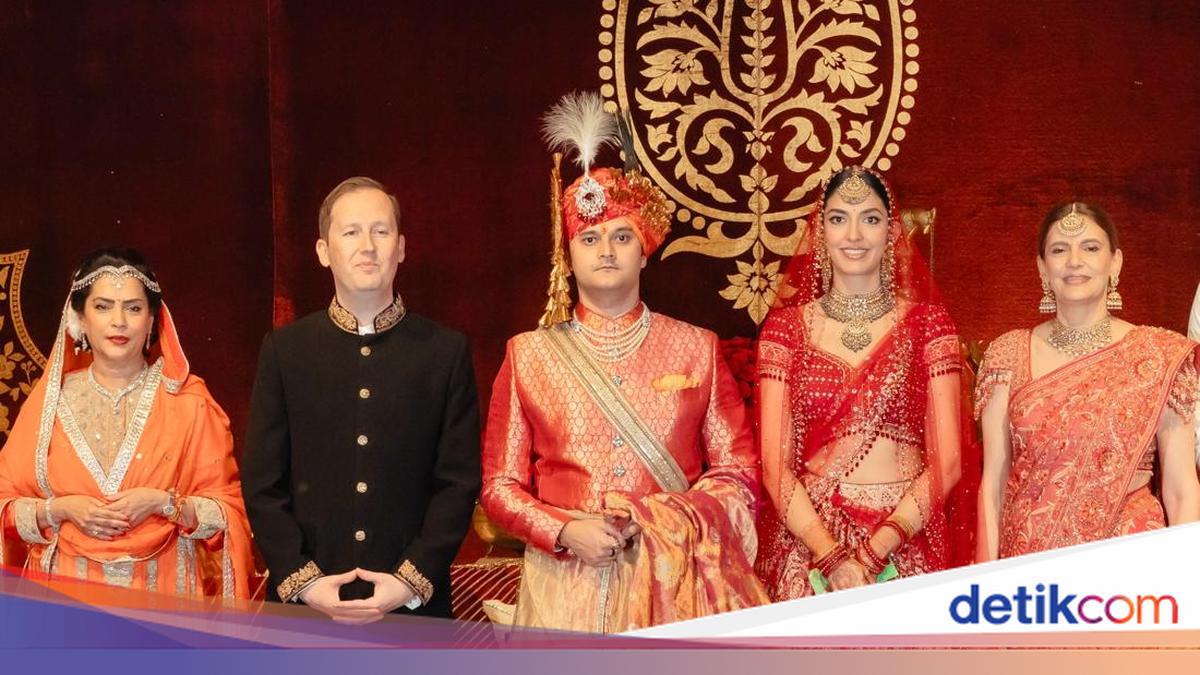
Chronology of Events: From Delhi Ceremonies to Ancestral Palaces
The wedding celebrations followed a meticulously planned timeline rooted deeply in Sikh and Hindu Vedic traditions, unfolding across two major metropolitan hubs and historic royal estates.
The festivities commenced in New Delhi with the Anand Karaj, a traditional Sikh wedding ceremony formalizing the union between Prince Martand Singh and Rhea Badal. Following the sacred ceremony, an opulent reception was hosted in the national capital at the residence of Princess Jai Inder Kaur of Patiala, who is the mother-in-law of the groom’s sister, Princess Mriganka Singh. This gathering served as the primary social event for political heavyweights, foreign diplomats, and industrial leaders.
Subsequent to the Delhi celebrations, the focus shifted to the traditional welcoming rites known as Grah Pravesh, held at the royal family’s New Delhi residence. This intimate yet profoundly symbolic ceremony was presided over by the groom’s grandfather, Dr. Karan Singh, who bestowed his direct blessings upon the newlyweds, officially welcoming Rhea—now bearing the title Kunwarani Rhea Singh—into the inner fold of the family while invoking traditional spiritual protections.
The final leg of the wedding timeline culminated in Jammu at the historic Amar Mahal Palace. Here, the ancestral seat of the Dogra dynasty hosted the Vadhu Pravesh ceremony. Conducted as an intimate Vedic ritual led by Dogra priests and accompanied by chanting from local Gurukul students, the event cemented the bride’s arrival at her husband’s ancestral home. This majestic conclusion paid homage to centuries of regional heritage, ensuring that ancient royal customs were preserved for the modern generation.
Guest List and High-Profile Attendance
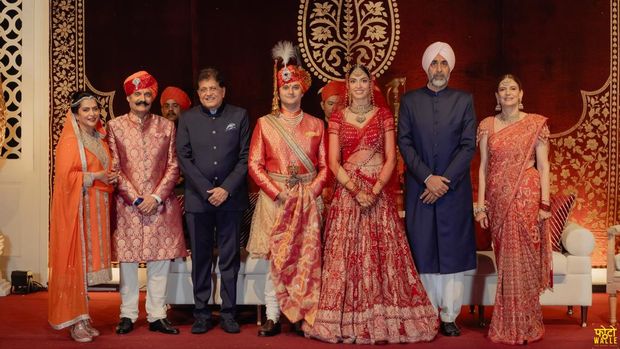
The scale of the wedding was highlighted by an extraordinary guest list that reflected the breadth of India’s sociopolitical hierarchy. Prime Minister Narendra Modi made a personal appearance at the New Delhi reception, extending his warm congratulations to the bride and groom and engaging in extensive conversations with both families.
The federal government was heavily represented. Notable dignitaries in attendance included Defense Minister Rajnath Singh, Finance Minister Nirmala Sitharaman, Commerce Minister Piyush Goyal, Union Minister Jyotiraditya Scindia (acting in his dual capacity as uncle to the groom and senior cabinet member), and Dr. Jitendra Singh, Minister of State in the Prime Minister’s Office.
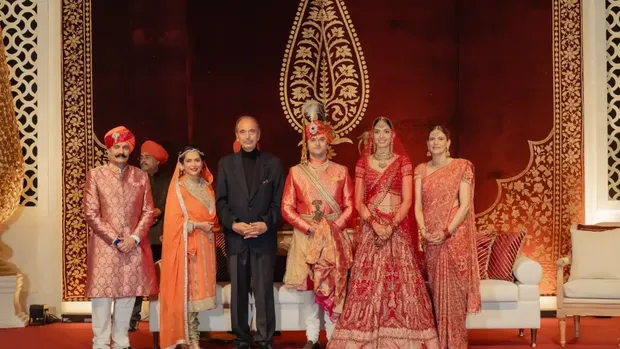
The political opposition and regional leaders were equally represented, featuring former Chief Ministers of Jammu and Kashmir Farooq Abdullah and Ghulam Nabi Azad, former Chief Justice of India T.S. Thakur, Haryana Chief Minister Nayab Singh Saini, Lok Sabha MP Anurag Thakur, Shiromani Akali Dal President Sukhbir Singh Badal, former Union Minister Harsimrat Kaur Badal, and Principal Secretary to the Prime Minister P.K. Mishra.
Adding international and spiritual depth to the proceedings, U.S. Ambassador to India and Special Envoy Sergio Gor was present, alongside spiritual leader and head of Radha Soami Satsang Beas, Baba Gurinder Singh Dhillon. Furthermore, representatives from India’s former royal houses—including delegations from Gwalior, Jaipur, Jodhpur, Jaisalmer, Bastar, and Patiala—attended to honor the alliance between two of northern India’s most prominent families.
Official Responses and Family Sentiments
The families involved expressed profound gratitude for the outpouring of national attention and blessings. Crown Prince Vikramaditya Singh and Princess Chitrangada Raje formally thanked Prime Minister Modi and the myriad dignitaries who took time out of their state duties to participate in the celebrations.
Reflecting on the emotional weight of the Vadhu Pravesh ceremony at the Amar Mahal Palace, Crown Prince Vikramaditya Singh shared his thoughts with royal chroniclers and media outlets.
"This is an unforgettable and truly special moment for our family as we welcome our daughter-in-law, Kunwarani Rhea Singh, to our home in Jammu through the traditional Vadhu Pravesh ceremony," said Vikramaditya Singh. He emphasized that the rituals were executed with deep adherence to Dogra heritage, utilizing Vedic rites and sacred chants to pray for everlasting harmony, prosperity, and joy for the couple. "A beautiful beginning to a new chapter in the lives of Rajkumar Martand Singh and Kunwarani Rhea Singh, celebrated with the love and blessings of our family and the timeless customs that uphold the rich tradition and cultural heritage of the Dogra Royal Family. A precious moment that will always be closely treasured in our hearts."
Broader Impact and Societal Implications
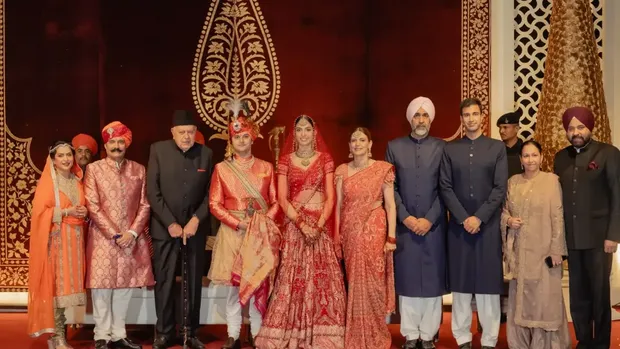
While India abolished official royal titles and privy purses in 1971 through the 26th Amendment of the Constitution, the cultural capital, social influence, and historical resonance of erstwhile royal families remain remarkably potent. Events such as the marriage of Prince Martand Singh and Rhea Badal offer valuable sociological insights into how traditional Indian aristocracy continues to integrate seamlessly with contemporary democratic structures.
By uniting a royal lineage tied directly to the geopolitical sensitivities of Jammu and Kashmir with a prominent political dynasty from Punjab, the wedding serves as a symbolic bridge across regional identities. Furthermore, the high-level attendance of the nation’s executive leadership—led by Prime Minister Modi—illustrates that contemporary political entities recognize and value the ongoing cultural stewardship maintained by former royal houses in preserving India’s monumental architectural, artistic, and historical heritage.
As the newlywed couple embarks on their shared life, documenting their journey through digital platforms like Instagram (@martandsingh_jk), the event stands as a masterclass in balancing ancient dynastic continuity with 21st-century public engagement, leaving an indelible mark on India’s social calendar.
Related posts: