Pertamina Patra Niaga Stabilizes Fuel Distribution Across Medan and North Sumatra to Ensure Energy Security

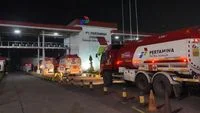
Pertamina Patra Niaga Regional Sumbagut has officially confirmed that the distribution of fuel (BBM) in Medan and its surrounding satellite cities is undergoing a significant and steady recovery following a period of logistical challenges. Through an intensive, multi-front acceleration strategy implemented over the past several days, the state-owned energy entity has successfully streamlined the flow of gasoline and diesel to public refueling stations (SPBU). As of today, the long vehicle queues that had previously characterized several major fuel stations in Medan have begun to dissipate, returning to normal operational levels. This stabilization is the direct result of a comprehensive optimization of the energy supply chain, conducted in close coordination with various regional stakeholders and law enforcement agencies.
Fahrougi Andriani Sumampouw, the Area Manager of Communication, Relations & CSR for Pertamina Patra Niaga Regional Sumbagut, emphasized that the company remains steadfast in its commitment to maintaining the integrity of the energy supply chain. The goal is to ensure that the daily energy requirements of the community are met without further disruption. According to Fahrougi, the positive trend in fuel distribution is a testament to the effectiveness of the rapid response measures initiated by the regional office. By Saturday, July 18, 2026, the operational landscape at SPBUs across the city showed marked improvement, signaling a move toward full normalization of service.
Strategic Operational Escalation and 24-Hour Distribution Cycles
To address the initial distribution bottlenecks, Pertamina Patra Niaga Regional Sumbagut enacted a series of high-intensity operational shifts. The cornerstone of this recovery effort was the transition of the Integrated Terminal Medan Group (ITMG) to a 24-hour non-stop operational cycle. This move allowed for a continuous loading process, ensuring that fuel tankers were departing for their destinations at all hours of the day and night, effectively doubling the throughput capacity compared to standard operating hours.
In addition to extending terminal hours, Pertamina aggressively expanded its logistical fleet. Recognizing that the existing fleet of fuel tankers was insufficient to meet the sudden surge in demand and the need for rapid replenishment, the company implemented a "spot charter" scheme. This involved the temporary acquisition of additional tanker trucks from third-party partners to bolster the primary distribution fleet. Furthermore, the company reinforced its workforce by deploying additional crews of Tanker Drivers (Awak Mobil Tangki or AMT). These drivers were tasked with ensuring that the increased frequency of deliveries did not compromise safety standards or lead to driver fatigue, which is a critical concern in high-stakes energy logistics.
The distribution strategy was not limited to the Medan hub alone. Pertamina Patra Niaga optimized supply lines from several other key fuel terminals in the region. This diversified approach utilized the Fuel Terminal Kisaran, Fuel Terminal Siantar, and the Integrated Terminal Lhokseumawe in Aceh to redirect supplies to areas experiencing the highest pressure. By leveraging these secondary and tertiary supply points, Pertamina was able to create a resilient web of distribution that could bypass localized bottlenecks and ensure a steady flow of fuel into the North Sumatra heartland.
Collaborative Governance and Multi-Stakeholder Synergy
The recovery of fuel distribution in Medan was not an isolated effort by Pertamina but rather the result of a massive collaborative framework involving both government and private sectors. This synergy included the Downstream Oil and Gas Regulatory Agency (BPH Migas), the Indonesian National Armed Forces (TNI), the National Police (Polri), and local municipal governments. These entities provided the necessary security and regulatory support to ensure that fuel shipments reached their destinations safely and that traffic management around SPBUs remained orderly.
On the commercial side, the partnership with Hiswana Migas (the Association of National Oil and Gas Entrepreneurs), individual SPBU owners, and various transportation partners proved vital. SPBU owners were encouraged to maintain high stock levels and report real-time inventory data to Pertamina’s central monitoring system. This data-driven approach allowed for more accurate forecasting and prevented "dry" periods at individual stations. The involvement of the TNI and Polri was particularly crucial in managing the psychological aspect of the shortage, as their presence helped prevent panic buying and ensured that the "Reguler Alternatif Emergency" (RAE) protocols could be executed without interference.
Implementation of the Regular Alternative Emergency (RAE) Scheme
A pivotal component of Pertamina’s resilience strategy is the Regular Alternative Emergency (RAE) scheme. This technical protocol is triggered when standard distribution routes or supply levels are compromised by unforeseen circumstances, such as infrastructure damage, sudden spikes in demand, or logistical delays. Under the RAE scheme, Pertamina has the flexibility to reroute fuel from different terminals or utilize different modes of transport to ensure that no single region is left without energy.
In the context of the recent situation in Medan, the RAE scheme allowed Pertamina to monitor real-time consumption patterns. When a specific district showed a sharp decline in available stock, the company immediately adjusted its supply trajectory, shifting volumes from surplus areas to those in deficit. This dynamic allocation of resources is managed through a sophisticated digital dashboard that tracks the movement of every tanker truck and the inventory levels of every registered SPBU in the Sumbagut region. This level of granular monitoring ensures that Pertamina can respond to localized crises before they escalate into regional shortages.
High-Level Field Inspections and Regulatory Oversight
To ensure that the reported improvements on paper translated to actual relief for the public, high-ranking officials conducted direct field inspections. The Executive General Manager of Pertamina Patra Niaga Regional Sumbagut, accompanied by the Head of BPH Migas, conducted a series of unannounced visits to SPBUs, including those in the neighboring city of Binjai. These inspections were designed to audit the quality of service, verify the availability of all fuel grades (from Pertalite and Solar to Pertamax and Dex series), and interact directly with consumers to gauge the situation on the ground.
During the visit to Binjai, officials observed that the flow of vehicles was moving smoothly and that the wait times for refueling had drastically decreased. The presence of BPH Migas underscored the regulatory importance of this recovery, as the agency is responsible for ensuring that subsidized fuels reach the intended recipients and that distribution remains fair and transparent. These inspections also served as a morale boost for the frontline workers at the terminals and stations who have been working under increased pressure to restore normalcy.
The Economic Implications of Fuel Stability in North Sumatra
The normalization of fuel distribution carries significant economic weight for Medan and the broader North Sumatra province. As a major economic hub in western Indonesia, Medan serves as a gateway for trade, plantations, and manufacturing. Any disruption in fuel supply has a cascading effect on the cost of logistics, which in turn can drive up the prices of essential commodities and contribute to regional inflation.
The logistics sector, in particular, relies heavily on the availability of Biosolar (subsidized diesel). When trucks are forced to queue for hours, the delivery of agricultural products from the hinterlands to the port of Belawan is delayed, leading to potential spoilage and increased operational costs. By stabilizing the fuel supply, Pertamina is effectively safeguarding the regional economy and ensuring that the supply chain for food and industrial goods remains intact. Furthermore, the restoration of public confidence prevents the "panic buying" phenomenon, which often leads to artificial shortages and black-market price gouging.
Public Communication and the Role of Digital Services
In its effort to manage public expectations and provide transparent information, Pertamina Patra Niaga has urged the community to remain calm and purchase fuel according to their actual needs. The company has explicitly discouraged hoarding or excessive purchasing, noting that the current supply levels are more than sufficient to meet the city’s daily requirements.
To facilitate better communication, the "Pertamina Customer Solution 135" remains the primary channel for public engagement. This 24-hour service allows citizens to report SPBUs that are experiencing shortages, complain about service irregularities, or seek information regarding the nearest available fuel stock. This direct line of communication serves as an additional layer of data for Pertamina, allowing them to verify their internal tracking against the actual experiences of the consumers.
Conclusion and Future Outlook
As of July 18, 2026, the energy landscape in Medan is on a firm path toward total stability. The combination of 24-hour terminal operations, fleet expansion, multi-terminal supply optimization, and robust inter-agency cooperation has proven successful in mitigating the recent distribution challenges. Pertamina Patra Niaga Regional Sumbagut has demonstrated that its infrastructure and emergency protocols, such as the RAE scheme, are capable of handling significant logistical pressures.
Looking forward, Pertamina plans to continue its rigorous monitoring of the North Sumatra region to prevent any recurrence of the recent queues. The company is also looking into long-term infrastructure upgrades for the Integrated Terminal Medan Group to further enhance its storage and throughput capabilities. By maintaining a proactive stance and fostering strong relationships with both regulators and the public, Pertamina aims to ensure that the energy pulse of Northern Sumatra remains steady, supporting the region’s continued growth and prosperity. The message to the residents of Medan is clear: the fuel is flowing, the stations are stocked, and the system is resilient.