Indonesia Strengthens Digital Economy and AI Cooperation Through Strategic Partnerships with Huawei and ByteDance in Shanghai

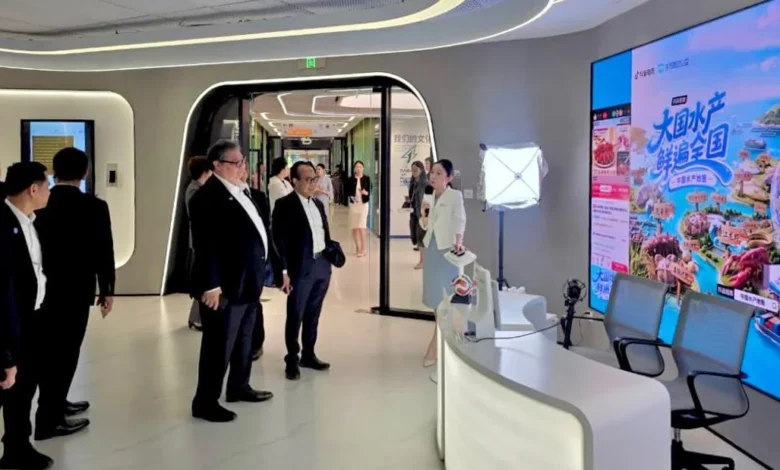
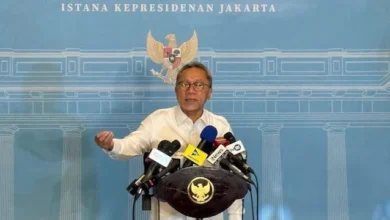
In a decisive move to accelerate the nation’s digital transformation, Indonesia’s Coordinating Minister for Economic Affairs, Airlangga Hartarto, conducted a series of high-level diplomatic and business meetings in Shanghai, China, on Friday, July 17, 2024. The mission focused on solidifying Indonesia’s position within the global technology ecosystem through strategic collaborations with two of China’s most influential technology conglomerates, Huawei and ByteDance. These discussions, held on the sidelines of the establishment of the World Artificial Intelligence Cooperation Organization (WAICO), aimed to secure high-value investments in artificial intelligence (AI), digital infrastructure, and human capital development.
The visit comes at a critical juncture for Indonesia as it seeks to transition from a consumer of digital services to a global hub for technological innovation. By engaging with Huawei and ByteDance, the Indonesian government is looking to leverage the expertise of industry leaders who have successfully navigated the complexities of large-scale digital deployment and AI integration. The meetings underscore Indonesia’s "Golden Indonesia 2045" vision, which identifies the digital economy as a primary engine for achieving high-income nation status over the next two decades.
Strengthening the Technological Backbone: The Huawei Partnership
The meeting with Huawei executives centered on the company’s extensive experience in telecommunications and cloud computing. Minister Airlangga identified Huawei as a cornerstone partner for Indonesia’s national digital strategy. The discussions revolved around four primary pillars of cooperation: the development of AI and cloud infrastructure, the strengthening of the digital talent ecosystem and cybersecurity, the acceleration of digital governance and the digitalization of Micro, Small, and Medium Enterprises (MSMEs), and the implementation of green energy solutions for data centers.
Huawei’s role in Indonesia is not new; the company has been a major player in the country’s telecommunications sector for over two decades. However, the current focus has shifted toward the "AI-first" approach. Minister Airlangga emphasized that as a founding member of WAICO, Indonesia must ensure that its international partnerships result in tangible technological leaps. Huawei’s advanced capabilities in Large Language Models (LLM) and its "Pangu" AI model represent the type of technology Indonesia hopes to localize to solve domestic challenges in sectors ranging from agriculture to disaster management.
Furthermore, the discussion on green energy reflects Indonesia’s commitment to sustainability. Data centers are notoriously energy-intensive, and as Indonesia aims to become a regional hub for data storage, the integration of Huawei’s smart energy solutions and renewable energy technologies is seen as a way to align digital growth with the nation’s Net Zero Emission 2060 targets.
ByteDance and the Evolution of the E-commerce Ecosystem
Following the session with Huawei, Minister Airlangga met with the leadership of ByteDance, the parent company of the global sensation TikTok and the productivity suite Lark. The primary focus of this meeting was the ongoing integration of TikTok Shop with Tokopedia, a move that followed ByteDance’s $1.5 billion investment in the Indonesian e-commerce giant earlier this year.
Minister Airlangga expressed his appreciation for ByteDance’s long-term commitment to the Indonesian market. He noted that the presence of ByteDance has not only revitalized the digital trade ecosystem but has also provided a vital platform for millions of Indonesian MSMEs. The government is particularly interested in ByteDance’s ability to facilitate "cross-border trade" in a way that benefits local producers. The goal is to move beyond domestic sales and utilize TikTok’s global reach to internationalize Indonesian products, allowing local artisans and small manufacturers to access markets in Europe, North America, and other parts of Asia.
Beyond e-commerce, the Minister extended an invitation to ByteDance to expand its research and development (R&D) footprint in Indonesia. Specifically, he proposed the establishment of an AI Research Center focused on machine learning and generative AI. This would involve collaboration on Large Language Models that are culturally and linguistically nuanced for the Indonesian archipelago, ensuring that AI tools are accessible and relevant to the country’s diverse population.
Chronology of the Diplomatic Mission in Shanghai
The visit to Shanghai was a multi-stage diplomatic endeavor designed to maximize Indonesia’s visibility in the global AI landscape. The chronology of the event began with the formal proceedings of the World Artificial Intelligence Cooperation Organization (WAICO).
- WAICO Founding Ceremony: Minister Airlangga represented Indonesia in the signing ceremony for the establishment of WAICO. This organization is intended to foster international cooperation, establish ethical standards for AI, and ensure that the benefits of AI are distributed equitably across the globe, particularly in developing nations.
- Huawei Strategic Session: Following the WAICO event, the delegation moved to a private session with Huawei’s senior leadership. This session focused on technical roadmaps for 5G expansion and the "AI for All" initiative, which aims to bring AI capabilities to remote areas of Indonesia.
- ByteDance Investment Review: The final leg of the business meetings involved a comprehensive review of ByteDance’s operations in Indonesia. The discussion covered the regulatory compliance of the TikTok-Tokopedia merger and the roadmap for future investments in Indonesian digital talent.
- Press Briefing and Official Statement: On Saturday, July 18, 2024, the Ministry of Economic Affairs released an official statement summarizing the outcomes of the meetings, highlighting the "leapfrog" strategy Indonesia is employing through these partnerships.
Supporting Data: Indonesia’s Digital Economy Landscape
The urgency of these meetings is backed by robust economic data. According to the e-Conomy SEA 2023 report by Google, Temasek, and Bain & Company, Indonesia’s digital economy is on track to reach a Gross Merchandise Value (GMV) of approximately $110 billion by 2025. By 2030, this figure is projected to soar to between $210 billion and $360 billion.
The MSME sector, which Minister Airlangga highlighted during his talks with ByteDance, is the backbone of the Indonesian economy, contributing approximately 61% of the national GDP and employing 97% of the total workforce. However, only a fraction of these 65 million MSMEs are fully integrated into the digital economy. The government’s target is to have 30 million MSMEs "onboarded" to digital platforms by 2025, a goal that requires the infrastructure of Huawei and the platform reach of ByteDance.
Furthermore, the demand for digital talent in Indonesia is staggering. The country requires approximately 600,000 digital talents per year. Programs like Huawei’s "Asean Academy" and potential R&D centers from ByteDance are viewed as essential components in closing this talent gap. Currently, Indonesia ranks 45th in the Global AI Index, and the government aims to break into the top 20 through these strategic international collaborations.
Analysis: Bridging the "AI Divide" and Geopolitical Balancing
The decision to partner so closely with Chinese tech giants carries significant strategic implications. Firstly, it represents Indonesia’s pragmatic approach to technology procurement. While the West often emphasizes security concerns regarding Chinese hardware, Indonesia has focused on the "transfer of technology" and "affordability" arguments. By positioning itself as a founding member of WAICO and a partner to Huawei, Indonesia is signaling that it intends to be a bridge-builder in the global "AI Divide."
The "AI Divide" refers to the growing gap between nations that have the capital and compute power to develop AI and those that are merely consumers of it. Minister Airlangga’s emphasis on "Large Language Models" and "AI Research Centers" suggests that Indonesia is no longer content with just buying software; it wants to participate in the foundational development of the technology.
From a regional perspective, these meetings solidify Indonesia’s role as the digital leader of ASEAN. As the largest economy in Southeast Asia, Indonesia’s regulatory and investment choices often set the tone for neighboring countries. By securing commitments from Huawei for green data centers and from ByteDance for MSME internationalization, Indonesia is creating a blueprint for a digital economy that is both high-tech and inclusive.
Broader Impact and Future Outlook
The immediate impact of these meetings will likely be seen in the expansion of cloud regions and the rollout of new AI-driven features on local digital platforms. In the long term, the success of these partnerships will be measured by how effectively they translate into jobs and increased productivity for the average Indonesian.
The invitation to ByteDance to explore generative AI and machine learning is particularly forward-looking. As AI begins to automate routine tasks, the Indonesian workforce must be equipped to handle higher-value roles. The proposed "AI Research Center" would serve as a hub for this transition, fostering a new generation of Indonesian engineers and data scientists.
In conclusion, Minister Airlangga Hartarto’s mission to Shanghai marks a significant milestone in Indonesia’s digital diplomacy. By aligning with Huawei and ByteDance, Indonesia is not just seeking capital; it is seeking a partnership in innovation. As the nation prepares for the challenges of the mid-21st century, these strategic alliances provide the technological and economic framework necessary to ensure that Indonesia remains a competitive and sovereign player in the global digital arena. The focus now shifts to the implementation of these agreements, with the Indonesian government expected to provide a supportive regulatory environment to ensure these high-tech investments flourish.