The Rise of Experiential Investment: Millennials Prioritize Travel for Life’s Richest Returns


The contemporary generation, often referred to as millennials, is redefining the concept of investment, shifting its focus from tangible assets to intangible experiences. This paradigm shift is prominently manifested in the burgeoning lifestyle of "traveling" becoming an essential component of their lives. The pursuit of enriching experiences is increasingly valued over the accumulation of monetary wealth, signaling a profound change in generational priorities and a testament to the transformative power of exploration. This evolving trend underscores a growing recognition that memories and personal growth forged through travel offer a more enduring and fulfilling return on investment than traditional financial endeavors.
The Millennial Shift: From Property to Passport
In stark contrast to previous generations, who meticulously planned for future financial security through savings and investments in assets like homes and cars, millennials are recalibrating their financial strategies. A significant portion of their income and discretionary spending is now allocated towards travel. This decision is driven by a desire to amass a wealth of experiences during their formative years, creating a rich tapestry of memories that will be cherished in their later lives. This inclination is further fueled by the allure of the world’s diverse and breathtaking natural landscapes, coupled with the pervasive influence of technological advancements that make travel more accessible and inspiring than ever before. Social media platforms, in particular, have played a pivotal role in showcasing the beauty and adventure that await, thereby intensifying the wanderlust among younger demographics.
The appeal of travel for millennials is multifaceted. Beyond the sheer enjoyment and excitement of visiting new places, the benefits are deeply personal and developmental. Stepping outside of comfort zones, encountering diverse cultures, and navigating unfamiliar environments foster personal growth, enhance problem-solving skills, and cultivate a broader perspective on life. This pursuit of self-discovery and personal evolution is becoming a primary objective for many, positioning travel not merely as a leisure activity but as a crucial element of personal development and a strategic investment in one’s own future well-being.

Embracing the Travel Lifestyle: Practical Strategies for the Modern Explorer
For those looking to integrate travel into their lives as a fundamental lifestyle choice, a deliberate approach is key. The inherent desire of many millennials to break free from routine and embrace new challenges can lead to a more progressive mindset. By venturing into the unknown and embracing unfamiliar territories, individuals often unearth their true selves and gain profound insights into their capabilities and resilience. The following practical strategies can facilitate the adoption of a fulfilling travel lifestyle:
Cultivating the Courage to Embark
The most significant barrier to transforming the desire for travel into a lifestyle is the inertia of inaction. To truly embrace the travel lifestyle, one must cultivate a resolute determination and a healthy dose of courage. The notion that one must wait until financial resources are abundant is a common, yet often limiting, belief. Instead, the emphasis should be on developing the courage to embark on journeys with the resources currently available. This involves a mindset shift towards resourcefulness and adaptability, learning to "survive" and thrive with what one has, rather than postponing dreams indefinitely. This proactive approach allows for the accumulation of experiences even while working towards larger financial goals. The journey itself becomes the teacher, imparting valuable lessons in budgeting, planning, and making the most of every opportunity.
Navigating the Unfolding Journey: Embracing Flexibility
While initial planning is essential for any travel endeavor, rigid adherence to meticulously crafted itineraries can often hinder the spontaneous joys of exploration. A more effective approach involves creating a general plan – a vision of where to go and the broad strokes of how to get there – without becoming overly fixated on minute details. The reality of travel is that unforeseen circumstances and unexpected opportunities are inevitable. Therefore, cultivating an adaptive mindset is crucial. Being prepared for the unexpected, and remaining open to deviations from the original plan, allows for the discovery of hidden gems and authentic experiences that a tightly scheduled trip might overlook. This flexibility is the hallmark of a true travel lifestyle, where the journey’s organic unfolding is as valued as the destination itself. It’s about embracing the serendipitous moments and learning to pivot when necessary, transforming potential challenges into memorable adventures.
The Art of Adaptation: Becoming a Global Citizen
At the core of a sustainable travel lifestyle lies the ability to adapt. This encompasses a willingness to embrace new environments, cultures, and ways of life. Successful travelers are adept at navigating diverse social landscapes, communicating across language barriers, and understanding different cultural norms. The capacity to adjust to varying conditions – whether it’s a change in weather, a sudden transportation issue, or an unfamiliar social custom – is paramount. This adaptability is not merely a practical skill; it is a mindset that fosters resilience, empathy, and a deeper appreciation for the complexities of the world. By actively seeking to understand and integrate into local communities, travelers gain richer insights and forge more meaningful connections. This ability to blend in and learn from different societies is an invaluable asset, enhancing both the travel experience and personal growth.

The transformative power of adopting a travel lifestyle extends far beyond the acquisition of souvenirs or passport stamps. It fosters a profound understanding of oneself and the world. By immersing oneself in diverse cultures, learning new languages, and engaging with people from all walks of life, individuals gain a more nuanced perspective on their own identity and their place within the global community. This journey of self-discovery, facilitated by consistent exploration, cultivates empathy, broadens horizons, and fosters a sense of global citizenship. The tips outlined above serve as a foundational guide for individuals aspiring to weave travel into the fabric of their lives, encouraging a comfortable, enriching, and unburdened approach to experiencing the world.
The Economic Underpinnings of Experiential Consumption
The growing emphasis on experiential spending among millennials is not merely a cultural fad but is also supported by economic trends. Research indicates that millennials are indeed prioritizing experiences over material possessions. A 2019 study by Eventbrite found that 72% of millennials reported spending more money on experiences than on material goods. This preference is often attributed to the fleeting nature of material possessions versus the lasting impact of memories and personal growth. Furthermore, the rise of the sharing economy, facilitated by platforms like Airbnb and ride-sharing services, has made travel more affordable and accessible, further encouraging this shift.
The digital age has also played a crucial role. The proliferation of travel blogs, vlogs, and social media influencers has created a constant stream of inspiration and practical advice, demystifying travel and making it seem more attainable. This digital ecosystem allows individuals to research destinations, find deals, and connect with fellow travelers, building a supportive community around the travel lifestyle. The ability to share experiences instantly online also creates a powerful feedback loop, encouraging further exploration and creating a sense of FOMO (fear of missing out) that drives engagement with the travel sector.
Broader Societal and Economic Implications
The shift towards experiential consumption has significant implications for various sectors of the economy. The travel and tourism industry, including hospitality, transportation, and adventure tourism, stands to benefit immensely. This trend also fosters a greater appreciation for cultural heritage and natural conservation, as travelers seek authentic experiences and are more likely to support sustainable tourism practices.
From a societal perspective, this emphasis on travel can lead to increased cross-cultural understanding and reduced ethnocentrism. By interacting with diverse populations, individuals develop a more nuanced worldview and a greater appreciation for global interconnectedness. This can contribute to a more tolerant and inclusive society. The skills developed through travel, such as adaptability, problem-solving, and cross-cultural communication, are also highly valued in the modern workforce, suggesting that this lifestyle choice can also have tangible professional benefits.
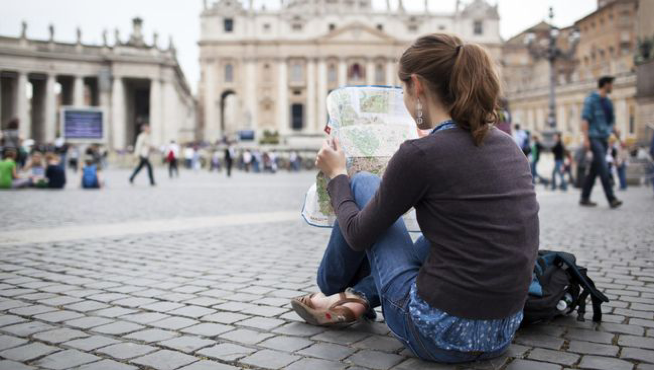
However, this trend also presents challenges. The increasing demand for travel can put a strain on popular destinations, leading to issues of overtourism, environmental degradation, and cultural commodification. Responsible travel practices and sustainable tourism initiatives are therefore crucial to ensure that the benefits of travel are enjoyed equitably and that the destinations themselves are preserved for future generations. Governments and tourism bodies are increasingly recognizing the need to manage tourism effectively, balancing economic growth with environmental and social sustainability.
The Long-Term Value Proposition of Experiential Investment
While the immediate gratification of material purchases is undeniable, the long-term value proposition of experiential investment is increasingly recognized. The memories created through travel are unique and irreplaceable. They form the foundation of personal narratives and contribute to a sense of identity and well-being. Unlike material possessions that can depreciate or become obsolete, the lessons learned, skills acquired, and relationships forged through travel have a lasting impact.
The ability to recall vivid travel experiences can provide comfort, inspiration, and a sense of fulfillment throughout one’s life. In times of stress or uncertainty, these memories can serve as a powerful reminder of one’s resilience and capacity for joy. This intangible wealth, built through a commitment to exploring the world, offers a return on investment that transcends financial metrics, contributing to a richer, more meaningful existence. As the world continues to evolve, the prioritization of experiences over possessions by younger generations is likely to shape economic, social, and cultural landscapes for decades to come, underscoring the profound and enduring value of the travel lifestyle.