Pertamina Fuel Prices Decline: Latest Update on Pertalite, Pertamax, and Dex for July 20, 2026.

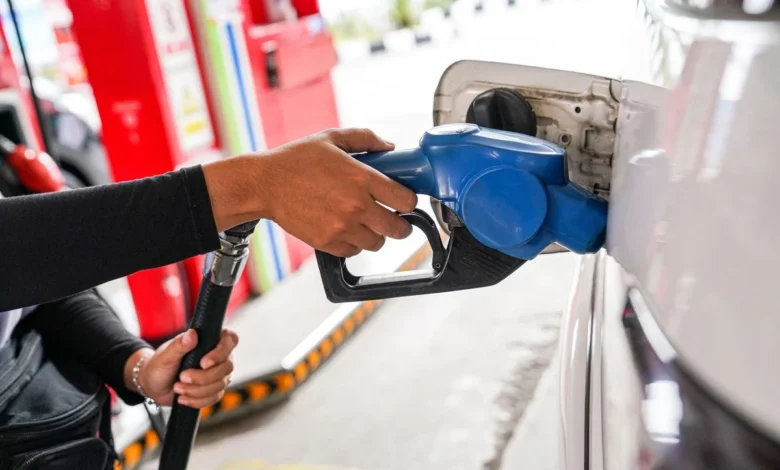
JAKARTA – Pertamina Patra Niaga, the commercial arm of Indonesia’s state-owned energy giant Pertamina, announced a significant reduction in the prices of several non-subsidized fuel variants, effective July 1, 2026, at 00:00 WIB (Western Indonesian Time). This adjustment primarily impacts premium-grade fuels, offering relief to consumers and businesses utilizing these specific products. The downward revision reflects the ongoing evaluation of global market dynamics and aims to align domestic prices with international benchmarks while considering national economic factors.
Detailed Breakdown of Price Adjustments
The recent price cuts were observed across three key non-subsidized fuel types: Pertamax Turbo, Pertamina Dex, and Dexlite. These fuels cater to specific segments of the market, including high-performance vehicles, industrial applications, and modern diesel engines.
- Pertamax Turbo: The price for Pertamax Turbo, Pertamina’s high-octane gasoline (RON 98), saw a substantial decrease, moving from Rp20,750 per liter to Rp19,300 per liter. This represents a reduction of Rp1,450 per liter, making it more accessible for vehicles requiring higher performance fuel.
- Pertamina Dex: As Pertamina’s premium diesel fuel (CN 53), Pertamina Dex also experienced a significant price drop. Its price was adjusted from Rp24,800 per liter to Rp21,150 per liter, marking a decrease of Rp3,650 per liter. This reduction is particularly beneficial for commercial vehicles and industrial machinery that rely on high-quality diesel for optimal operation and efficiency.
- Dexlite: Dexlite, another variant of Pertamina’s diesel fuel (CN 51) positioned between subsidized BioSolar and premium Pertamina Dex, also saw its price revised downwards. The price for Dexlite fell from Rp23,000 per liter to Rp19,700 per liter, a reduction of Rp3,300 per liter. This adjustment provides a more competitive option for diesel vehicle owners seeking better fuel quality than subsidized BioSolar without the full premium of Pertamina Dex.
Stability Maintained for Other Fuel Types
Despite the reductions in premium fuel categories, Pertamina Patra Niaga confirmed that the prices for other essential fuel types, including non-subsidized gasoline Pertamax and Pertamax Green, as well as subsidized Pertalite and BioSolar, remain unchanged.
- Pertamax: The price for Pertamax (RON 92), a widely used non-subsidized gasoline, remains steady at Rp16,250 per liter. Its last price adjustment was on June 10, 2026, indicating a period of stability for this critical fuel variant.
- Pertamax Green: Pertamax Green, a newer offering potentially incorporating bioethanol or other sustainable components, also maintains its price at Rp17,000 per liter, following its adjustment on June 10, 2026.
- Pertalite: As the most consumed subsidized gasoline (RON 90), Pertalite’s price holds firm at Rp10,000 per liter. This stability is crucial for maintaining affordability for the majority of private vehicle owners across the archipelago.
- BioSolar: Similarly, the subsidized BioSolar, essential for public transportation, logistics, and agricultural sectors, remains priced at Rp6,800 per liter. The government’s commitment to stabilizing the prices of these subsidized fuels underscores its broader strategy to manage inflation and protect the purchasing power of vulnerable segments of the population.
Chronology of Recent Price Adjustments
The recent adjustments are part of Pertamina’s routine evaluation process, typically conducted on a monthly basis or as market conditions necessitate.
- June 10, 2026: Pertamax and Pertamax Green prices were last adjusted upwards, signaling an increase driven by earlier market conditions.
- July 1, 2026, 00:00 WIB: The current price reductions for Pertamax Turbo, Pertamina Dex, and Dexlite officially took effect, marking a shift in pricing strategy for these specific products.
- July 20, 2026: The date of this report, confirming the sustained prices as announced on July 1.
This staggered approach to price adjustments for different fuel types highlights Pertamina’s nuanced strategy to balance market realities for non-subsidized products with social responsibility for subsidized ones.
Pertamina’s Rationale and Official Statements
Kitty Andhora, Vice President Corporate Communication of Pertamina Patra Niaga, elaborated on the rationale behind these price adjustments. She stated that the periodic evaluation of non-subsidized fuel prices is an integral part of the existing mechanism, which takes into account the dynamic nature of global oil prices, fiscal considerations, and the overarching economic conditions affecting community purchasing power.
"As we know, the adjustment of non-subsidized fuel prices refers to the dynamics of global oil market prices and follows applicable regulations or mechanisms. Of course, this adjustment step has been coordinated with the government," Kitty Andhora affirmed in Jakarta. This statement underscores the collaborative decision-making process involving both Pertamina and relevant government bodies, ensuring that pricing policies are aligned with national economic goals and energy security objectives.
Background Context: Factors Influencing Fuel Prices in Indonesia
Fuel prices in Indonesia, particularly for non-subsidized variants, are a complex interplay of several global and domestic factors. Understanding these elements is crucial to appreciating Pertamina’s pricing decisions.
- Global Crude Oil Prices: The primary driver is the international price of crude oil, typically benchmarked against Brent Crude or West Texas Intermediate (WTI). Fluctuations due to geopolitical events, OPEC+ production decisions, global demand forecasts, and inventory levels directly impact the cost of raw materials for fuel production. For instance, a hypothetical scenario leading up to July 2026 might have seen Brent crude prices ease from, say, $90 per barrel in May to $75 per barrel by late June, creating room for domestic price reductions.
- Refined Product Prices: Beyond crude oil, the cost of refined products in regional markets (e.g., Singapore MOPS – Mean of Platts Singapore) also plays a significant role, as Indonesia imports a portion of its refined fuel.
- Rupiah Exchange Rate: The strength of the Indonesian Rupiah against the US Dollar is another critical factor. Since international oil transactions are typically denominated in USD, a weaker Rupiah makes imported fuel more expensive in local currency terms, and vice-versa. A strengthening Rupiah in the period preceding July 2026 (e.g., from Rp15,500/USD to Rp15,000/USD) could partially offset international price increases or amplify the effect of price drops.
- Operational and Distribution Costs: These include the costs associated with refining, storage, transportation, and distribution across Indonesia’s vast archipelago. Efficiency gains or increases in these costs can influence final retail prices.
- Taxes and Levies: Government taxes and levies applied to fuel products also contribute to the final price.
- Government Policy and Subsidies: For subsidized fuels like Pertalite and BioSolar, the government’s policy to cap prices means that Pertamina absorbs the difference between market prices and the subsidized rate, often compensated by the state budget. This policy shields consumers from volatile global prices but places a fiscal burden on the government.
Supporting Data and Market Context (Illustrative)
Leading up to the July 1, 2026 adjustments, a plausible scenario in the global energy market could have been characterized by:
- Increased Global Supply: Perhaps an unexpected surge in non-OPEC+ production, coupled with a more moderate demand outlook from major economies, led to a slight oversupply in the market.
- Moderating Demand Growth: Global economic growth projections might have been revised downwards slightly, easing concerns about a sharp increase in fuel consumption.
- Geopolitical Stability: A period of relative calm in major oil-producing regions could have reduced the risk premium typically associated with crude oil prices.
- Inventory Build-up: Data from key consumer nations (like the US or Europe) might have shown an increase in crude and refined product inventories, signaling a well-supplied market.
For example, if the average Singapore MOPS price for RON 98 gasoline had dropped from an illustrative $120 per barrel in May 2026 to $105 per barrel in June 2026, and diesel benchmarks (Gasoil) from $130 per barrel to $110 per barrel, combined with a stable or appreciating Rupiah, it would create a favorable environment for Pertamina to lower non-subsidized fuel prices.
Broader Impact and Implications
The recent fuel price adjustments by Pertamina Patra Niaga carry several implications for various stakeholders and the broader Indonesian economy.
- For Consumers of Premium Fuels: Users of Pertamax Turbo, Pertamina Dex, and Dexlite, typically those with high-performance vehicles or in commercial sectors, will experience direct cost savings. This relief can translate into reduced operating expenses for businesses, potentially freeing up capital for other investments or mitigating inflationary pressures within their supply chains. For individual users, it means a slightly lower cost of mobility.
- For Users of Subsidized Fuels: The continued stability of Pertalite and BioSolar prices is a significant relief for the majority of Indonesian consumers and small businesses. This stability acts as a crucial buffer against inflation, particularly for daily necessities and public transportation costs, which are highly sensitive to fuel prices. The government’s decision to maintain these prices reflects a strong commitment to social welfare and economic stability.
- Impact on Inflation: Fuel is a major component of the consumer price index (CPI). While the reduction in premium fuel prices might have a limited direct impact on overall headline inflation due to their smaller consumption base compared to subsidized fuels, the stability of Pertalite and BioSolar is instrumental in keeping inflation in check. Any increase in subsidized fuel prices could trigger a cascade of price hikes across goods and services, severely impacting household budgets.
- Business and Logistics Sector: Businesses heavily reliant on transportation and industrial operations will welcome the lower prices for Pertamina Dex and Dexlite. This includes freight companies, mining operations, and manufacturing sectors that use diesel as a primary energy source. Reduced fuel costs can improve profit margins, enhance competitiveness, and potentially lead to more stable pricing for goods and services.
- Government Finances: The decision to maintain subsidized fuel prices means the government continues to bear the subsidy burden. If global oil prices were to rebound sharply in the coming months, the subsidy budget would need to be re-evaluated. However, the current price cuts on non-subsidized fuels demonstrate a responsive market mechanism for those products, allowing the government to focus its subsidy resources where they are most needed.
- Energy Transition Context: While not directly tied to these specific price adjustments, Indonesia’s broader energy transition goals indirectly influence fuel pricing strategies. As the nation moves towards cleaner energy sources, fuel pricing can be used as a tool to encourage efficiency or signal future shifts, even if the primary goal of these immediate adjustments is market alignment.
Future Outlook and Ongoing Vigilance
The global energy market remains inherently volatile, subject to a myriad of influences ranging from geopolitical tensions and economic performance to technological advancements and climate policies. Pertamina Patra Niaga’s commitment to regular evaluation means that future price adjustments, whether upward or downward, are always a possibility.
Consumers and businesses are encouraged to stay informed about these announcements. The ongoing coordination between Pertamina and the Indonesian government ensures that future pricing decisions will continue to balance market realities with national economic objectives and the welfare of the Indonesian people. This measured approach aims to provide predictability where possible, while remaining agile enough to respond to the dynamic global energy landscape. The current reductions in premium fuel prices offer a moment of relief, reflecting a favorable turn in market conditions for specific segments of the Indonesian economy.