
Whoosh and TransJakarta Among 25 Private Electronic System Providers Notified by Ministry of Digital Communication Over Registration Compliance


The Indonesian Ministry of Digital Communication (Komdigi) has issued formal notifications to 25 private Electronic System Providers (PSE), including major transportation pillars such as the Whoosh high-speed railway and the TransJakarta bus rapid transit system. This regulatory action underscores the government’s intensifying efforts to ensure that all digital services operating within the nation’s borders adhere to established legal frameworks. The notification serves as a critical ultimatum, requiring these entities to finalize their PSE registration by September 22, 2026, or face potential administrative sanctions, which could include the suspension or blocking of their digital platforms.
The directive, which has sent ripples through the domestic transportation and digital services sector, highlights the government’s commitment to oversight in an increasingly digitized economy. While these services are vital to the daily mobility of millions of Indonesians, the Ministry maintains that utility does not exempt a provider from the mandatory compliance protocols governing electronic systems.
Chronology and Regulatory Context
The administrative process began on September 16, 2026, when the Directorate of Supervision for Certification and Electronic Transactions at the Ministry of Digital Communication officially dispatched notices to the 25 identified entities. These companies were flagged during a routine audit of the private PSE registry, which revealed that while these entities operate significant digital interfaces—including official websites and mobile applications—they had yet to complete the formal registration process required under Indonesian law.
The legal foundation for this action is rooted in the Minister of Communication and Information Technology Regulation Number 5 of 2020. This regulation, which has been in effect for several years, serves as the primary instrument for overseeing the digital ecosystem in Indonesia. Specifically, Articles 2 and 4 of the regulation mandate that any private PSE—whether domestic or foreign—that fulfills certain criteria regarding its operations in Indonesia must be registered in the government’s official database.
According to Teguh Arifiyadi, the Director of Supervision for Certification and Electronic Transactions, the registration requirement is not optional. It is a fundamental obligation designed to ensure that the government can maintain a secure and accountable digital environment. By mandating registration, the Ministry ensures that all service providers can be held accountable for data protection, system security, and adherence to local laws, thereby safeguarding the interests of the public.
The Scope of Compliance
The list of 25 notified PSEs is diverse, spanning multiple sectors that are crucial to the Indonesian economy. Of the 25 entities, 23 are domestic, while two are foreign-based companies. The sectors involved range from transportation and aviation to shipping, e-commerce, and various digital service providers.
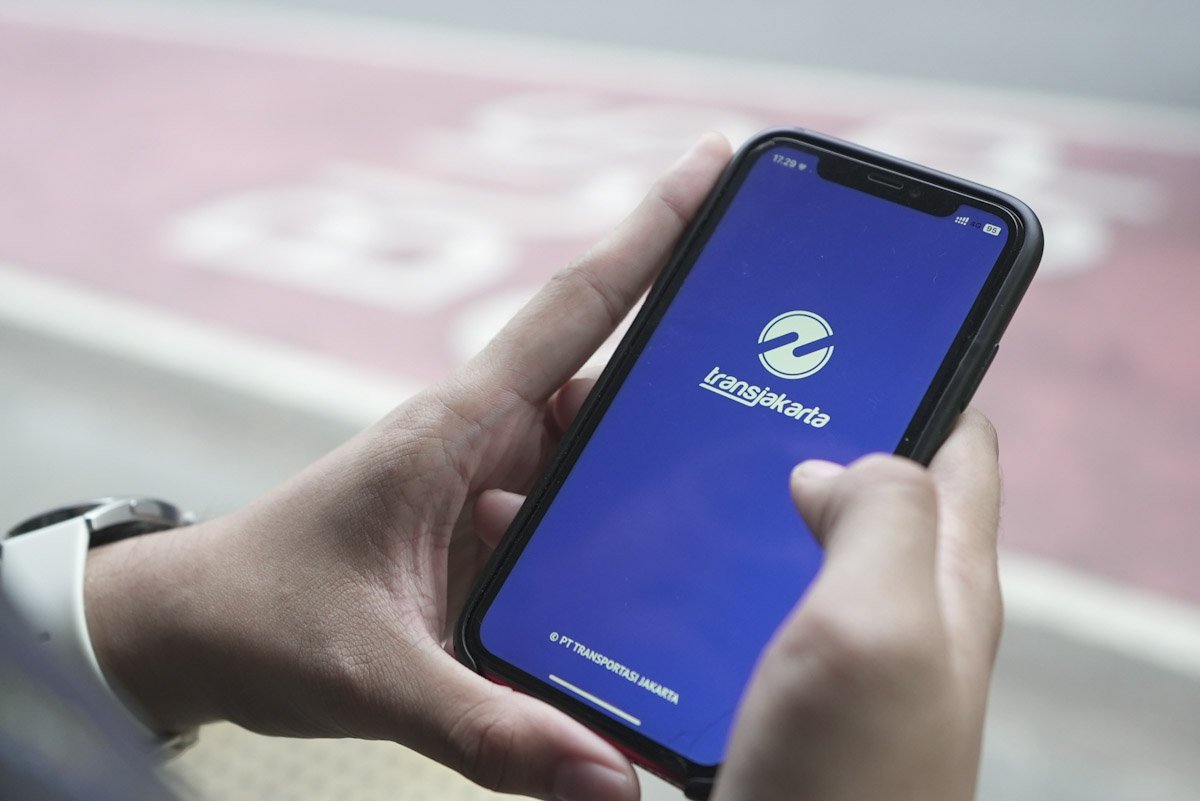
The inclusion of high-profile entities like Whoosh and TransJakarta has drawn significant public attention. Both organizations operate critical infrastructure; Whoosh connects major cities with high-speed rail, while TransJakarta serves as the backbone of urban public transport in the capital. Other notable companies receiving notices include aviation firms such as Lion Air, Pelita Air, and Super Air Jet, as well as transit providers like Cititrans and Daytrans.
The Ministry’s decision to focus on these entities signals a shift toward a more comprehensive enforcement strategy. In the past, discussions regarding PSE registration were often dominated by debates surrounding massive global social media platforms or international tech giants. However, the current move demonstrates that the government is now applying the same level of scrutiny to localized, essential services that rely heavily on digital platforms for booking, ticketing, and user management.
The Consequences of Non-Compliance
While the term "blocking" has emerged in public discourse, it is essential to distinguish between a formal warning and an immediate service termination. As of mid-September 2026, the status of the notified PSEs is that of a "pending compliance" phase. The Ministry has provided a clear window of opportunity for these entities to rectify their registration status.
Teguh Arifiyadi emphasized that the government prefers voluntary compliance over punitive measures. "If, by the determined deadline, the PSE has not fulfilled the registration obligations, we will proceed according to the applicable regulations," Teguh stated. He clarified that the follow-up measures would follow a structured progression: starting with additional warnings and, if the defiance continues, moving toward administrative sanctions. The ultimate sanction—access blocking—is considered a measure of last resort, to be employed only if a provider remains recalcitrant in the face of repeated notifications.
This phased approach is intended to minimize disruption to the public. If the Ministry were to block the applications or websites of major transportation providers like TransJakarta, the immediate impact on public mobility would be severe. Consequently, the Ministry is actively engaging with these companies to facilitate the registration process, provided the companies demonstrate a willingness to comply.
Broader Implications for the Digital Landscape
The requirement for PSE registration is more than just a bureaucratic hurdle; it is a vital component of Indonesia’s strategy to regulate the digital space. By forcing service providers to register, the government gains better visibility into the digital infrastructure that permeates almost every facet of daily life.
- Data Sovereignty and Security: Registration forces companies to align their internal data management protocols with Indonesian law, which includes provisions for data privacy and cybersecurity. This is particularly important for transport providers that handle sensitive passenger information, payment data, and travel patterns.
- Accountability: In the event of a system breach or a service failure, the registration process ensures that the government knows exactly who is responsible for the system. It creates a clear line of communication between the provider and the regulator.
- Market Standardization: For the industry, this creates a level playing field. It ensures that every company operating a digital system—regardless of its size or sector—is held to the same standards of transparency and security.
The move also reflects a broader trend in global governance, where nations are increasingly asserting sovereignty over the digital services that operate within their borders. By tightening the net on PSE registration, Indonesia is aligning itself with international best practices that prioritize user protection and national security in the digital era.
Industry and Public Response
While the official response from the individual companies has been largely characterized by administrative coordination, the public reaction reflects the growing dependence on these digital tools. For the average commuter, the thought of losing access to the Whoosh or TransJakarta apps is concerning. These platforms have transitioned from mere convenience to essential utilities. Digital ticketing, real-time bus tracking, and online seat selection are now standard expectations.
Industry analysts suggest that the delay in registration for these entities is likely due to administrative oversight rather than an intentional disregard for the law. Many large state-owned enterprises or established transport firms have complex organizational structures, and the process of aligning digital assets with legal requirements can be time-consuming. However, the pressure from the Ministry is expected to accelerate this process significantly.
Conclusion
As the September 22, 2026, deadline approaches, the focus remains on the cooperation between the Ministry and the affected PSEs. The incident serves as a stark reminder to all digital platform operators in Indonesia that the era of "regulatory leniency" is coming to an end. The government’s determination to enforce the PSE registration mandate is a clear indicator that digital compliance is now a prerequisite for doing business in Indonesia.
For users, the immediate outlook remains unchanged, as all services continue to operate normally. However, the incident marks a significant milestone in the maturing of Indonesia’s digital regulatory framework. As the country continues to integrate technology into its infrastructure, the government is signaling that it will be increasingly proactive in ensuring that the digital tools supporting the nation’s mobility and economy are fully transparent, secure, and legally recognized. Whether these 25 entities meet the deadline will serve as a bellwether for the effectiveness of the government’s enforcement strategy and the willingness of the private sector to adapt to the new regulatory reality.