The Evolution of the iPhone Launch Experience in Indonesia: Beyond Hardware to Service Excellence

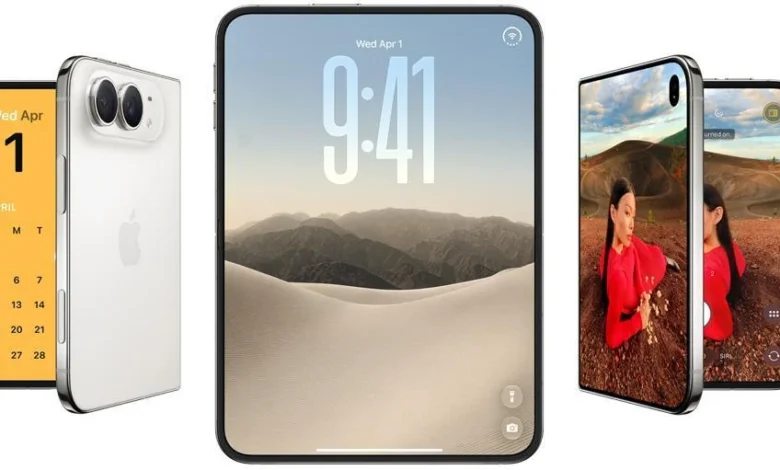
The annual Apple Event has long transcended its status as a mere corporate product showcase, evolving into a global cultural phenomenon that dictates the rhythm of the consumer electronics market. As Apple unveils its latest iPhone lineup, the focus for millions of tech enthusiasts shifts from the polished presentations in Cupertino to the logistical intricacies of local availability. In Indonesia, this transition from anticipation to acquisition has become a highly anticipated ritual, characterized by a sophisticated shift in consumer behavior where the focus has migrated from the device itself to the quality, speed, and reliability of the retail experience.
The Global Phenomenon and the Indonesian Context
For the Indonesian market, the launch of a new iPhone is not merely a retail event; it is an intersection of global aspiration and local infrastructure capability. Analysts, such as Bob O’Donnell, principal analyst at TECHnalysis Research, have frequently highlighted that the iPhone maintains a distinct position as a "status symbol" in emerging markets. This perception often drives intense demand during the initial launch phase, creating a competitive environment where securing the latest model becomes a primary goal for early adopters.
The anticipation begins months in advance, fueled by speculation and leaks, and culminates during the Apple Event. For the Indonesian consumer, the "Apple ritual" involves a meticulous process: live-streaming the keynote, evaluating technical specifications, comparing color palettes, and finally, participating in the pre-order process. However, the complexity of the Indonesian market—a vast archipelago with varying logistical challenges—means that the experience of acquiring the device is heavily dependent on the chosen retail partner.
The Changing Landscape of Retail Competition
Traditionally, the Indonesian market was dominated by established Apple Premium Resellers (APRs). Today, however, the landscape has broadened to include major e-commerce platforms like Blibli, which have integrated themselves into the official distribution ecosystem. This diversification has forced retailers to move beyond the commodity of the iPhone—which is identical in specifications regardless of the vendor—and focus on the value-added services that accompany the purchase.
The competition now centers on three critical pillars: accessibility, logistical efficiency, and post-purchase support. For instance, Blibli has captured a significant portion of the market by streamlining the online experience and introducing services such as "Midnight Delivery." This service addresses the "early owner" psychology, allowing consumers to receive their devices within hours of the official launch date without needing to endure physical queues. Conversely, retailers like Hello Store focus on the experiential aspect of the purchase, leveraging their physical store networks to provide hands-on assistance and personalized service, which remains a vital component of the luxury electronics buying journey.
Chronology of an iPhone Launch: From Keynote to Handover
To understand the current market dynamics, one must look at the standard timeline of an iPhone release in Indonesia:
- The Announcement Phase: The global Apple Event serves as the catalyst. Consumers begin the research phase, analyzing the device’s feature set and determining their budget.
- The Pre-Order Window: This is the most critical period for retailers. It is here that logistical capacity is tested. Retailers employ sophisticated inventory management systems to ensure that demand does not outstrip supply, often offering early-bird incentives to secure orders.
- The Launch Day (The "Midnight" Moment): This is the climax for the early adopter. Services like Midnight Delivery represent a logistical feat, requiring coordination between retailers, courier services, and regional distribution hubs to ensure that devices are delivered as soon as the clock strikes twelve on the launch date.
- The Post-Purchase Cycle: This stage involves warranty activation, insurance, and the integration of the device into the user’s daily life. It is here that retailers differentiate themselves through the quality of their service centers and the robustness of their protection plans.
The Critical Role of Logistics and Consumer Trust
The testimony of tech enthusiasts provides a window into why these logistical innovations matter. Richard Gunawan, a Jakarta-based gadget enthusiast, illustrates the value of reliability in the premium segment. "When I opted for the Midnight Delivery service through Blibli, it wasn’t just about getting the phone; it was about the promise of a seamless experience," Gunawan notes. "The communication, the tracking, and the fact that the device arrived at the promised time—shortly after midnight—transformed the purchase from a simple transaction into a high-end service experience."
For products that often cost tens of millions of rupiah, the consumer is not just paying for hardware; they are paying for the assurance that their investment is protected. This has led to a significant shift in how retailers market their offerings.
Beyond the Hardware: Protection and Sustainability
As iPhone price points continue to rise, the importance of post-purchase support has reached an all-time high. Consumers are increasingly wary of the risks associated with premium hardware, such as accidental damage, software failures, or liquid ingress. Consequently, the retail battleground has shifted to include extended warranty programs and comprehensive device protection.
Retailers like Blibli have responded by offering up to two years of protection coverage, a crucial selling point for consumers purchasing devices via monthly installment plans (cicilan). This model provides a safety net: if a device is damaged, the user is not left with a broken phone and an ongoing financial obligation. Similarly, traditional retailers like iBox and Digimap have doubled down on their strengths by expanding their service center networks, ensuring that official repairs are accessible and reliable.
Market Implications and Future Trends
The implications of this shift are profound for both the Indonesian tech sector and the global brand. Apple’s success in Indonesia is increasingly tethered to the quality of its local retail partners. If the purchase experience is cumbersome, the brand value is diluted, regardless of the technological superiority of the iPhone.
Furthermore, the rise of "omnichannel" retail—where the boundary between online convenience and in-store experience is blurred—is likely to be the defining trend of the next decade. Consumers now demand the ability to research online, pay through a secure digital gateway, and choose between home delivery or in-store collection.
From a macroeconomic perspective, the surge in premium smartphone sales in Indonesia reflects a growing middle class with a higher propensity for discretionary spending on high-end technology. Data from market research firms consistently indicates that the premium segment in Indonesia is one of the fastest-growing in the Southeast Asian region. This growth forces retailers to invest heavily in their supply chain infrastructure to meet the heightened expectations of a more sophisticated consumer base.
Conclusion: The New Definition of Value
In the current market, the iPhone is a constant, but the retail experience is the variable. The evolution of the launch process in Indonesia reflects a mature market that values time, security, and service above all else. Whether it is a midnight delivery to one’s doorstep or a premium in-store setup experience, the successful retailer of the future is the one who understands that the sale is only the beginning of the relationship.
As we look toward future iPhone generations, the question for the Indonesian consumer will remain: "Who can provide the most seamless experience?" The era where the mere availability of stock was enough to win is over. Today, it is about who can offer a comprehensive ecosystem of care, speed, and certainty. For the Indonesian "Apple fanboy," the focus has shifted from merely owning the device to ensuring that the journey from the first click to the final unboxing is as premium as the product itself. In this new landscape, the winner is the retailer that treats the customer not as a transaction, but as a long-term partner in the Apple ecosystem.