Hotel Salak The Heritage: A Century-Old Indonesian Landmark Bridging Colonial History and Modern Hospitality

Nestled at Jalan Ir. H. Juanda Nomor 8 in the heart of Bogor, West Java, stands Hotel Salak The Heritage, a four-star establishment that effortlessly merges centuries-old architectural grandeur with modern hospitality. Surrounded by the cool, refreshing mountain breezes of the Bogor highlands, the hotel occupies a prime geographical and historical location. Just a short distance from the property lie several prominent national landmarks, including the lush expanse of the Bogor Botanical Gardens (Kebun Raya Bogor) at 710 meters, the historic Bogor Presidential Palace (Istana Bogor) at 550 meters, the Museum Zoologi at 630 meters, and the sweeping vistas of the Halimun Salak National Park, located approximately 520 meters away.
Beyond its strategic appeal to tourists and business travelers alike, Hotel Salak The Heritage is fundamentally a living monument. Its distinctive Dutch colonial architecture is not merely a stylistic choice, but a physical manifestation of a storied past that dates back to the mid-19th century during the Dutch East Indies colonial era.
A Chronological Evolution: From VOC Lodgings to a Modern Heritage Hotel
The history of the property spans multiple eras of Indonesian history, reflecting the shifting political landscapes of the archipelago from the colonial period through Japanese occupation and into the independence era.
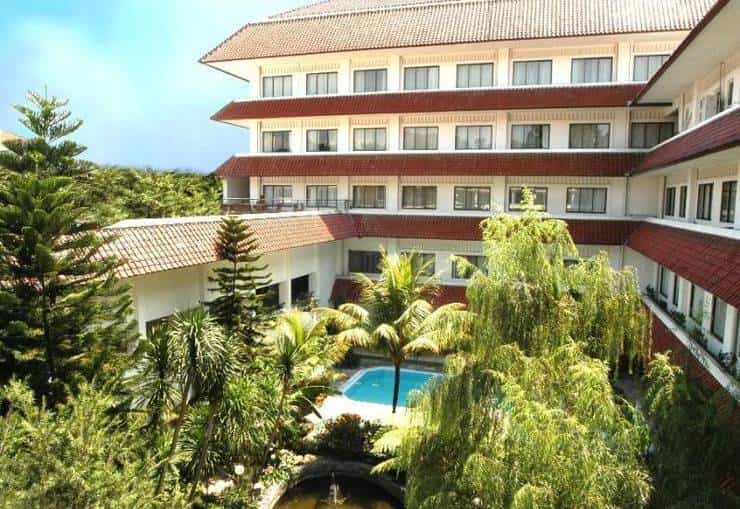
The Genesis (1856): The site was originally established in 1856 under the name Bellevue-Dibbets Hotel. Commissioned and owned by the family of Governor-General Charles Ferdinand Pahud, the hotel was initially constructed to serve as a high-end accommodation facility for visiting Dutch East India Company (VOC) officials, colonial administrators, and elite European travelers who frequented the cooler climate of Buitenzorg—the colonial name for Bogor.
The Japanese Occupation (1942–1945): With the onset of World War II and the subsequent invasion of the Dutch East Indies by Imperial Japanese forces, the hotel’s function shifted dramatically. The colonial-era resort was requisitioned by the Japanese military, serving as a strategic regional military headquarters during the occupation period.
The Independence Era and Rebranding: Following Indonesia’s declaration of independence in 1945 and the subsequent recognition of sovereignty, the property underwent a change in ownership and was officially renamed Hotel Salak. Over the decades, the management undertook phased modernizations while preserving the core architectural framework, eventually expanding the property into a comprehensive lodging and MICE (Meetings, Incentives, Conferences, and Exhibitions) venue. Today, the hotel boasts 140 well-appointed rooms and 16 versatile meeting spaces, balancing historical preservation with contemporary corporate and leisure demands.
Comprehensive Amenities and Modern Infrastructure
While its exterior and structural foundations pay homage to the 19th century, Hotel Salak The Heritage provides a robust suite of modern amenities designed to meet international hospitality standards.
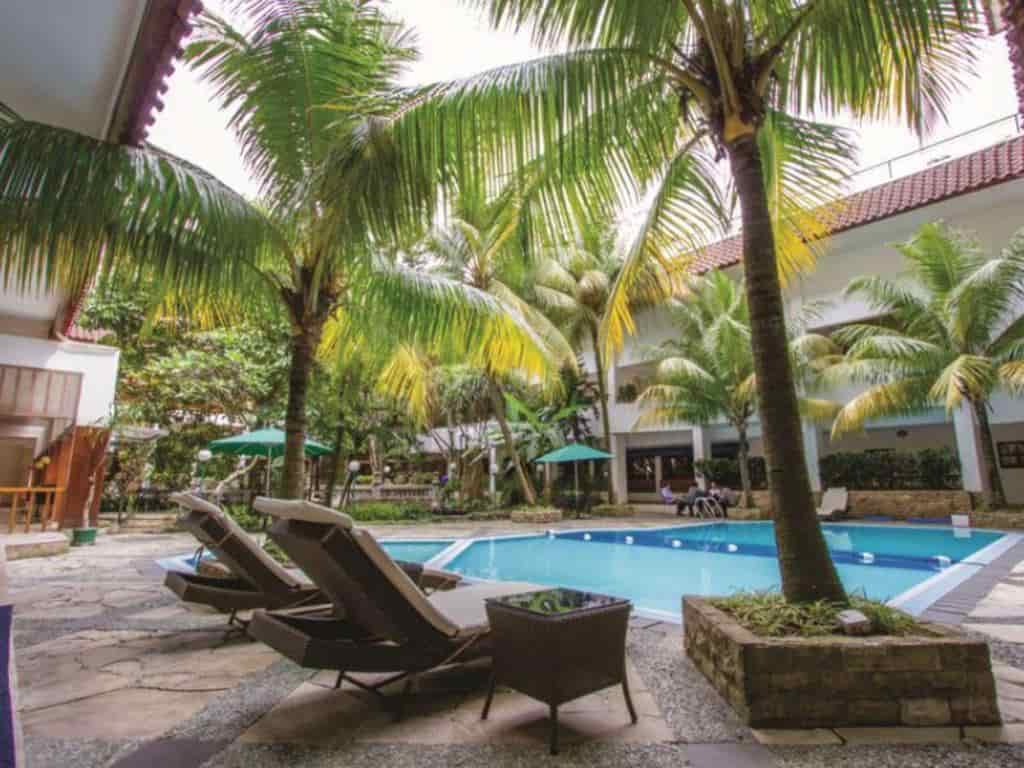
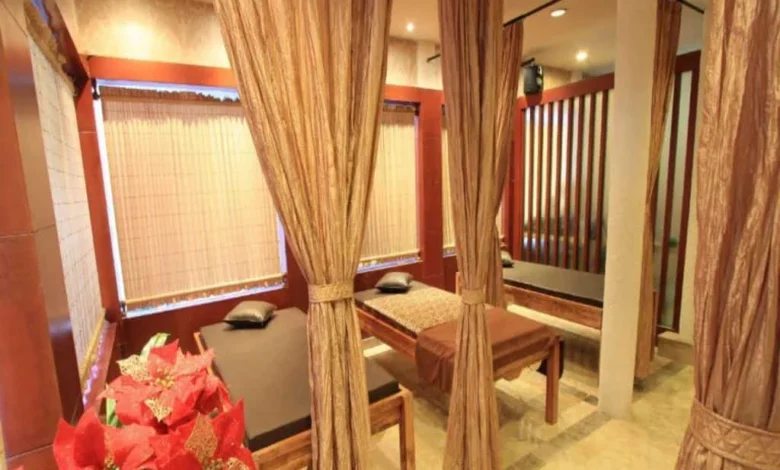
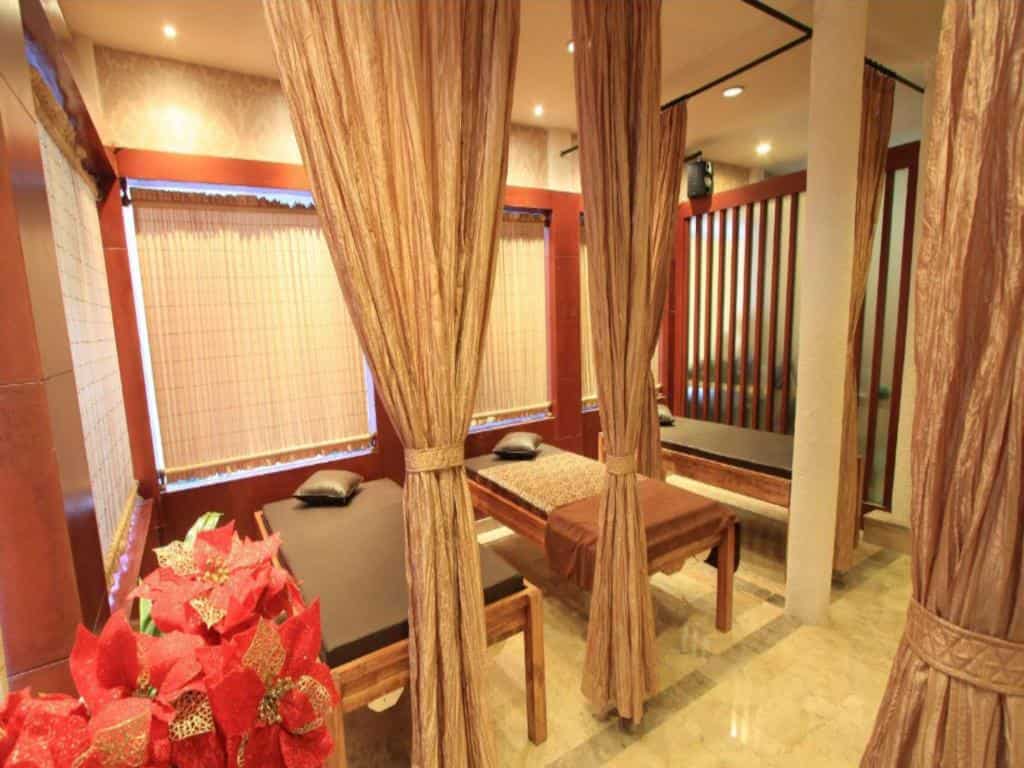
The property features extensive wellness and recreational facilities, including an outdoor swimming pool, a fully equipped fitness center, a specialized spa, a library, karaoke rooms, and billiards tables. Culinary needs are catered to by an array of on-site establishments, encompassing a main restaurant, a lounge bar, and a dedicated coffee shop.
For corporate guests and international travelers, the hotel offers 24-hour front desk service, comprehensive high-speed Wi-Fi connectivity across all public and private spaces, and an optional airport shuttle service available upon request. Room rates generally begin around IDR 509,171 per night, varying by season and room tier, making it an accessible option for heritage tourism enthusiasts.
International Recognition and Diplomatic Significance
Throughout its various incarnations and ownership changes, Hotel Salak The Heritage has maintained a reputation for elite service standards. This commitment to operational excellence gained international recognition in 2006 during a historic state visit.
When United States President George W. Bush traveled to Indonesia for a diplomatic summit in Bogor in 2006, the security and operational logistics involved stringent international vetting. Hotel Salak was selected to support elements of the presidential entourage and media delegation. Following the successful execution of the visit, the hotel was awarded a prestigious Certificate of Appreciation from the White House Communications Agency, underscoring its capability to meet high-level security and service benchmarks on a global stage.
Socio-Economic Implications and Heritage Tourism in Bogor
The enduring presence of Hotel Salak The Heritage highlights a broader trend in Indonesian urban tourism: the adaptive reuse of colonial-era infrastructure. Properties like Hotel Salak serve as critical anchors for cultural heritage tourism, stimulating the local economy while preserving historical narratives that might otherwise be lost to rapid urban development.
By anchoring itself near key ecological and historical landmarks such as the Bogor Botanical Gardens and the Presidential Palace, the hotel contributes significantly to Bogor’s tourism ecosystem. It provides a tangible educational touchpoint for visitors interested in the colonial history of Java, acting as both a commercial enterprise and a historical archive. As domestic and international travel trends increasingly favor authentic cultural experiences, the preservation of properties with deep historical roots ensures that urban centers like Bogor retain their unique architectural identity while accommodating the demands of modern tourism.