Weekend Getaway to Yogyakarta: Strategic Planning for a Two-Day Escape Without Using Annual Leave

The modern professional in Jakarta often faces the "Friday Afternoon Dilemma": the laptop is closed, the work week has concluded, and the desire for a brief respite from the metropolitan hustle becomes palpable. For many, Yogyakarta—a city steeped in culture, history, and natural beauty—remains the premier destination for a short-term escape. Achieving a successful 48-hour trip to Yogyakarta without utilizing precious annual leave is a logistical challenge that requires meticulous planning, an understanding of regional geography, and a disciplined approach to time management.
The Geography of Stress: Why Weekend Trips Often Fail
Recent data from travel industry analysts suggest that short-duration domestic tourism is on the rise, with "bleisure" (business and leisure) and weekend excursions accounting for a significant portion of regional travel revenue. However, the primary pain point for Jakarta-based travelers remains the "over-optimization trap." Travelers often attempt to pack multiple disparate locations into a 48-hour window, leading to significant time wastage in transit.
Yogyakarta’s geography is deceptively complex. The city center, the southern coast, the northern volcanic slopes of Merapi, and the western ranges of Kulon Progo are separated by considerable distances. When a traveler attempts to visit a museum in the city center in the morning, followed by a coastal beach in the afternoon, and a mountain viewpoint at sunset, they effectively spend 60% of their vacation time inside a vehicle. This phenomenon, often termed "itinerary fatigue," frequently leaves the traveler more exhausted upon returning to their desk on Monday morning than they were on Friday.
A Chronological Framework for the 48-Hour Visit
To maximize efficiency, travel planners emphasize the "Zonal Clustering" strategy. Instead of focusing on specific attractions, travelers should focus on geographical zones. By minimizing travel time between stops, the quality of time spent at each destination increases significantly.
Saturday: The Southern and Eastern Axis
For those arriving on an early Saturday flight or train, the objective should be to head away from the city center immediately to avoid traffic congestion.
- 09:00 – 11:30: Mangunan Highland and Pinus Mangunan. The higher altitude provides a cooler climate and a panoramic view of the Imogiri region.
- 12:00 – 14:00: Sustenance and Respite. A mid-day meal at a local culinary center in the Bantul area allows for recovery before the afternoon heat peaks.
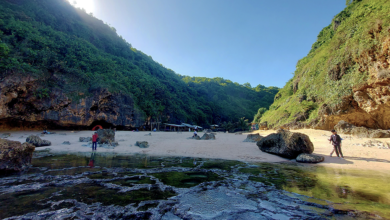
- 14:30 – 17:30: Parangtritis and Sand Dunes. Engaging in a Jeep tour through the Gumuk Pasir (sand dunes) offers a unique landscape experience. These tours are highly regulated by local cooperatives, ensuring safety and economic support for the local community.
- 18:00 – 20:00: Sunset and Evening. Concluding at a high-elevation venue such as Obelix Sea View allows for a transition into the evening without the need to rush back to the urban center immediately.
Sunday: The Cultural and Urban Core
The second day should prioritize accessibility to transportation hubs to ensure a smooth departure.
- 08:00 – 11:00: Historical Engagement. A visit to the Kraton (Sultan’s Palace) or the Museum Sonobudoyo provides a condensed look at Javanese heritage. These sites are located within the city center, allowing for minimal transit time.
- 11:30 – 13:30: Culinary Heritage. A traditional lunch in the Malioboro or Kotagede area serves as both a meal and an experience.
- 14:00 – 16:00: Final Logistics. This window is critical for purchasing local souvenirs—such as bakpia or batik—and transitioning toward the airport or train station.
Economic Considerations and Facilitated Travel
The shift toward professionalized tourism management in Yogyakarta has led to the proliferation of curated travel packages. These services, often ranging from approximately IDR 550,000 per person (based on group bookings of five or more), provide a structured framework that mitigates the need for individual planning.
Industry experts note that these packages offer more than just transport; they provide access to local knowledge, priority bookings, and risk management. For a time-poor professional, the cost-benefit analysis favors these services, as the overhead of coordinating local drivers, entry tickets, and dining reservations is transferred to the service provider. However, travelers are advised to ensure that all inclusions—such as entrance fees, fuel, and optional meals—are clearly outlined in the service agreement to avoid unexpected expenses.
Critical Success Factors: Tips for the Jakarta Traveler
To ensure the weekend remains a restorative experience rather than a "target-driven" chore, four core pillars of travel discipline must be observed:

- The "One-Zone" Rule: Never cross the city from north to south in a single day. Select a zone—Northern (Merapi/Kaliurang), Southern (Parangtritis/Mangunan), or Urban (Kraton/Tamansari)—and dedicate the day to that quadrant.
- The Reverse-Logistics Method: When planning the return, work backward from the flight or train departure time. Add a two-hour "buffer zone" to account for the unpredictable traffic patterns near the Yogyakarta International Airport (YIA) or the Tugu Train Station.
- Active Morning, Passive Afternoon: Energy levels naturally wane by 15:00. Schedule the most physically demanding activities—such as trekking, hiking, or off-road tours—for the morning hours. Reserve the late afternoon for observation and relaxation.
- Prioritize Quality over Quantity: It is better to have one meaningful conversation with a local artisan or a quiet hour watching the sunset than to check four sites off a list while constantly glancing at a watch.
Broader Impact and Implications
The tourism sector in Yogyakarta has undergone a significant transformation post-2020. Local government initiatives have focused on decentralizing tourism to avoid the overcrowding of the Malioboro corridor. This has led to the development of new attractions in the Kulon Progo and Gunung Kidul regions.
From an economic perspective, this shift has provided a more sustainable distribution of wealth to rural areas. However, it also places a greater burden on transportation infrastructure. The reliance on private vehicles for short-term tourism contributes to localized traffic density. Consequently, there is an increasing push for integrated transport solutions, such as the expansion of the Trans Jogja bus system and the promotion of standardized tour operators who utilize high-capacity vehicles rather than individual cars.
For the traveler, the implication is clear: the success of a weekend getaway is increasingly dependent on "smart" tourism. This means leveraging local operators who understand traffic patterns, choosing off-peak hours for popular sites, and maintaining a flexible mindset.
Conclusion
A 48-hour excursion to Yogyakarta is a viable solution for urban burnout, provided the traveler shifts their perspective from "tourist" to "strategist." By grouping activities by geography, honoring the physical limitations of a two-day timeframe, and utilizing professional services to bridge logistical gaps, the weekend can remain a period of true leisure. As the tourism landscape continues to evolve, the ability to curate these short, impactful journeys will remain a valuable skill for the modern workforce, ensuring that the work-life balance is not just a goal, but a tangible, monthly reality.