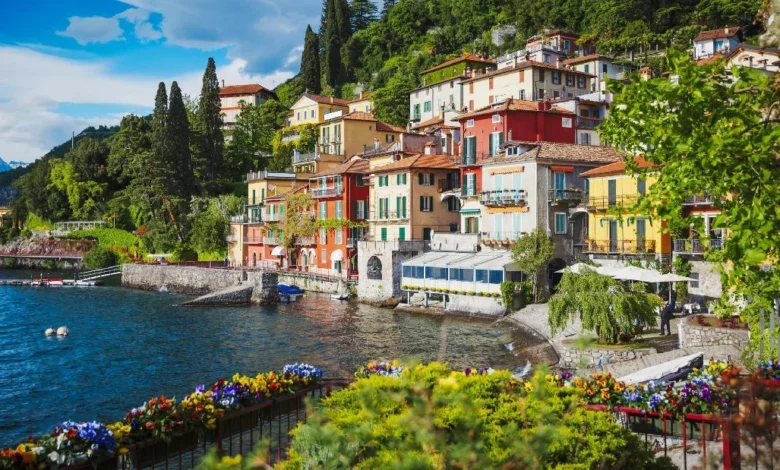
Varenna, a picturesque village nestled along the shores of Italy’s famed Lake Como, has implemented a series of stringent new regulations aimed at mitigating the adverse effects of surging tourist numbers. Among the most prominent and widely discussed measures is a ban on toplessness in public spaces, a move designed to preserve the area’s serene ambiance and cultural heritage.
The Varenna municipal authorities officially published a comprehensive set of new rules, with one particular ordinance quickly capturing public attention due to its unique nature. Local government has strictly prohibited individuals from walking around Varenna without an upper garment, or solely in swimwear, as reported by The Washington Post on Tuesday, July 21, 2026. This directive underscores a growing concern among popular tourist destinations globally regarding the impact of visitor behavior on local norms and quality of life.
While tourists are still permitted to wear minimal attire in designated areas such as beaches, docks, and boat landing sites, the rules shift significantly when venturing into other public zones. Those found violating the ordinance by not covering their upper bodies in public areas will face immediate fines ranging from 50 to 200 euros. This translates to approximately Rp895,000 to Rp3,580,000 when converted into Indonesian Rupiah, highlighting the tangible financial consequences for non-compliance.
This newly enacted policy is officially documented on Varenna’s tourism website as an amendment to the urban police regulations. The rules concerning public order have been in effect since June 27th, marking a proactive response from the local administration. The decision to introduce such measures comes after a period of escalating visitor numbers, a trend observed across many idyllic European locales, particularly those boasting natural beauty and historical significance. Lake Como, with its dramatic landscapes and celebrity appeal, has seen a significant increase in international visitors in recent years, leading to concerns about the sustainability of its tourism model. Data from the Italian National Institute of Statistics (ISTAT) indicates a steady rise in tourist arrivals to the Lombardy region, with Lake Como being a primary driver of this growth. In the pre-pandemic era, the region typically welcomed millions of visitors annually, and post-pandemic recovery has seen these numbers rebound and, in some cases, exceed previous peaks.
Beyond sartorial regulations, the new policy also imposes tighter restrictions on tour groups accompanied by guides. The maximum number of participants in a single tour group has been capped at 25 individuals. Furthermore, the use of loudspeakers or microphones is now strictly forbidden, a measure intended to maintain tranquility and prevent excessive noise pollution within the residential areas. This addresses another common complaint from local residents in over-touristed areas: the disruption caused by large, noisy groups.
Tour guides found in violation of these regulations face substantial penalties. They are subject to fines ranging from 100 to 400 euros (approximately Rp1,790,000 to Rp7,160,000). In addition to financial penalties, persistent offenders risk further sanctions, including a temporary ban on leading tour groups in Varenna for several months. This punitive approach aims to ensure that tour operators adhere to local ordinances and contribute positively to the visitor experience rather than detracting from it.
Tour groups are also explicitly prohibited from impeding the convenience of other public space users. They are not permitted to stop en masse, loiter, or congregate in a manner that obstructs pathways in the town, squares, or on specific bridges. This regulation seeks to ensure the free flow of pedestrian traffic and prevent the privatization of public spaces by large tourist contingents, a common issue in narrow European streets and historic town centers.
Background and Context: The Rise of Overtourism
The stringent measures adopted by Varenna are not an isolated incident but part of a broader trend across Europe, where numerous popular tourist destinations are grappling with the consequences of overtourism. Cities like Sorrento in Italy and Narbonne in France have implemented similar fines for tourists exhibiting what is deemed inappropriate attire in public spaces. These destinations, much like Varenna, are celebrated for their beauty and cultural heritage, which paradoxically attracts large volumes of visitors, sometimes to the detriment of the very qualities that make them attractive.
The phenomenon of overtourism, characterized by excessive visitor numbers that can strain infrastructure, degrade the environment, and diminish the quality of life for local residents, has become a significant concern for tourism stakeholders worldwide. The COVID-19 pandemic, while temporarily halting global travel, also provided a period of reflection for many destinations, prompting a re-evaluation of tourism strategies. As travel resumed, many areas found themselves facing a renewed surge of visitors, often with pent-up demand, leading to intensified pressures.
Timeline of Events
- Pre-2026: Varenna, like many Lake Como villages, experiences a steady increase in tourist arrivals, particularly during peak summer months. Local authorities begin to note growing concerns regarding visitor behavior and its impact on the local environment and community.
- Early 2026: Discussions intensify among Varenna’s municipal council regarding the need for more robust regulations to manage the influx of tourists and their behavior.
- June 27, 2026: The revised urban police regulations, including the dress code and tour group restrictions, officially come into effect.
- July 21, 2026: The Washington Post reports on Varenna’s new, unique tourism regulations, bringing international attention to the measures.
Supporting Data and Observations
While specific data on the exact number of tourists causing issues in Varenna prior to these regulations is not publicly detailed in the original report, anecdotal evidence and broader tourism trends provide context. Lake Como has been consistently ranked among the top European destinations for luxury travel and scenic beauty. Its popularity has been amplified by social media, where idyllic images often encourage a more casual and sometimes less respectful approach to local customs by visitors.
The fines imposed in Varenna are not dissimilar to those seen in other Italian towns. For instance, in Rome, fines have been introduced for inappropriate attire in certain historical areas. The economic rationale behind these fines is twofold: to deter undesirable behavior through financial disincentive and to generate revenue that can be reinvested in local infrastructure and preservation efforts. The euro amounts suggest a significant financial impact for repeat offenders, aiming to make non-compliance an unattractive option.
Official Responses and Perspectives
The Varenna municipal authorities have framed these new regulations as a necessary step to preserve the town’s character and ensure a sustainable tourism model. The official statement on their tourism website emphasizes a commitment to balancing the economic benefits of tourism with the need to protect the local environment, culture, and the quality of life for residents.
While no direct quotes from Varenna officials were included in the original report, the rationale behind the rules suggests a desire to maintain a certain level of decorum and respect for local sensibilities. The prohibition of toplessness and swimwear outside designated beach areas aligns with conservative European dress codes often observed in historical and residential areas, even in popular tourist spots.
Broader Impact and Implications
The implementation of such strict rules in Varenna has several potential implications. Firstly, it signals a growing trend of destinations taking a more assertive stance against the negative impacts of overtourism. This could encourage other similar towns to consider comparable measures.
Secondly, these regulations might influence tourist behavior. The clear penalties, especially the financial ones, are likely to make visitors more mindful of local customs and rules. This could lead to a more respectful and considerate form of tourism.
However, there is also a potential for backlash. Some tourists might perceive these rules as overly restrictive or unwelcoming. The effectiveness of the regulations will depend on enforcement consistency and public awareness. If enforced effectively, they could contribute to a more harmonious coexistence between tourists and locals.
Furthermore, the restrictions on tour groups, particularly the cap on numbers and the ban on amplified sound, are designed to reduce the sensory impact of tourism. This could lead to a more intimate and less intrusive experience for both tourists and residents. The ban on blocking public spaces aims to ensure that Varenna remains accessible and enjoyable for everyone, not just large organized groups.
The broader context of European destinations facing similar challenges is crucial. Places like Venice, Amsterdam, and Barcelona have all experimented with various measures, from visitor caps and tourist taxes to restrictions on short-term rentals and cruise ship arrivals. Varenna’s approach, focusing on immediate behavioral changes through dress codes and group management, is a more direct intervention in the day-to-day experience of visitors.
The success of Varenna’s initiative will likely be monitored by other destinations facing similar pressures. If these regulations lead to a tangible improvement in the visitor experience and a reduction in negative impacts, they could serve as a blueprint for other communities seeking to manage their tourism sustainably. The ultimate goal is to ensure that Varenna remains a desirable destination for years to come, preserving its charm and offering a quality experience for both its residents and its visitors. The move by Varenna reflects a global shift in tourism management, moving from a passive acceptance of visitor numbers to an active shaping of the tourist experience to ensure long-term viability and local well-being.