Viral Video Reveals Alarming River Pollution in Depok, Indonesia, as Thick Foam Engulfs Kali Baru

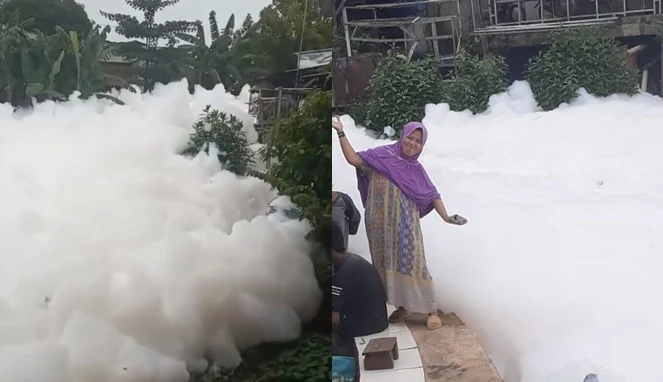
A disturbing video that has gone viral on social media platforms showcases a severe pollution incident in Depok, West Java, Indonesia, where the Kali Baru river in Tugu Village, Cimanggis District, has been completely blanketed by an extraordinary amount of white foam. The footage, which began circulating widely on Monday, November 27th, depicts a scene so obscured by the frothy substance that the river’s water is entirely invisible. The foam is not only filling the river but has also breached its banks, reaching the height of five residential homes, creating an unprecedented environmental crisis.
The video’s creator is heard exclaiming, "Limbah kali di Depok" (River waste in Depok), immediately identifying the suspected cause of the alarming visual. The widespread dissemination of this video has sparked significant public concern and a flurry of reactions online. Many viewers initially mistook the dense foam for clouds or even snow due to its unusual volume and appearance. This visual deception underscores the severity of the pollution and has prompted urgent calls for governmental intervention to address the escalating environmental hazard.
Chronology of the Incident and Public Reaction
The viral video emerged on Monday afternoon, rapidly capturing the attention of netizens across Indonesia. While the exact time of the initial pollution event remains unconfirmed, the video’s rapid spread suggests it occurred either shortly before or on the day of its dissemination. Residents of the affected area reported that the foam did not appear instantaneously but rather emerged subtly before rapidly accumulating. The stench associated with the pollution was reportedly pungent and far from the pleasant aroma of detergent, suggesting a more complex and harmful chemical composition.
By Monday evening, local reports indicated that the foam had surprisingly receded, leaving behind questions about its transient nature and the underlying source. This rapid dissipation, while seemingly a relief, also raises concerns about the effectiveness of any immediate cleanup efforts and the potential for recurrent pollution events. The speed at which the pollution manifested and subsequently vanished has fueled speculation and intensified public demand for a thorough investigation.
Official Investigation and Suspected Causes
In response to the public outcry and the alarming visual evidence, the Department of Environment and Cleanliness (DLHK) of Depok City has initiated an investigation into the origin of the pollution. Initial hypotheses point towards domestic waste as a primary contributor. This includes household chemicals such as soaps and detergents, which, when accumulated in sufficient quantities and subjected to specific environmental conditions, can generate excessive foam in waterways.
A critical factor identified by local authorities is the current seasonal transition in Indonesia, moving from the dry season towards the rainy season. An increase in the river’s water debit during this period is believed to have exacerbated the situation, lifting the accumulated waste and chemicals to the surface and creating the dramatic foamy spectacle. The DLHK has announced plans to conduct site visits to companies and residences situated in the vicinity of the river to pinpoint the exact source of the discharge. This methodical approach aims to gather concrete evidence and identify any entities responsible for the pollution.
Environmental and Societal Implications
The pollution incident in Kali Baru serves as a stark reminder of the severe environmental and societal consequences that unchecked river pollution can entail. Rivers are vital arteries of ecosystems, supporting a delicate balance of aquatic life and playing a crucial role in human sustenance. The thick blanket of foam observed in Kali Baru represents more than just an aesthetic blight; it signifies a profound disruption to the river’s natural state.
- Ecological Devastation: The foam, likely laden with chemical pollutants, severely limits the penetration of sunlight into the water, hindering photosynthesis for aquatic plants. This can lead to a decline in dissolved oxygen levels, suffocating fish and other aquatic organisms. The long-term impact on the river’s biodiversity could be devastating, potentially leading to localized extinctions and a significant reduction in the ecosystem’s resilience.
- Health Risks: Rivers are often a source of water for communities, particularly for irrigation and, in some cases, even for domestic use, albeit after treatment. Polluted rivers can become breeding grounds for waterborne diseases such as cholera, typhoid, and dysentery. The chemicals present in the foam could also pose direct health risks through skin contact or ingestion, leading to various dermatological and internal health issues.
- Economic Impact: The agricultural sector heavily relies on river water for irrigation. Contaminated water can damage crops, reduce yields, and render agricultural land unusable. This can have significant economic repercussions for farmers and the broader food supply chain. Furthermore, industries that depend on clean water for their operations would face increased costs for water treatment or potentially be forced to relocate.
- Water Scarcity: As rivers become increasingly polluted, the availability of clean, potable water diminishes. This exacerbates existing water scarcity issues, particularly in densely populated urban areas like Depok, leading to increased competition for dwindling resources and potential social unrest.
- Aesthetic and Recreational Loss: Beyond the practical implications, the visual degradation of a natural landscape like a river impacts community well-being and recreational opportunities. Rivers that were once sources of pride and leisure can become areas to be avoided, diminishing the quality of life for local residents.
Broader Context: Pollution in Indonesian Waterways
The incident in Depok is not an isolated event but rather symptomatic of a larger, persistent challenge of river pollution across Indonesia. Rapid industrialization, urbanization, and inadequate waste management infrastructure have placed immense pressure on the nation’s vast network of rivers. Many urban rivers, in particular, have become open sewers, receiving untreated industrial effluent, domestic wastewater, and solid waste.
Studies by environmental organizations have consistently highlighted the alarming state of Indonesian rivers. For instance, reports from the Indonesian Forum for the Environment (WALHI) have detailed how numerous rivers across Java are severely polluted, with some classified as "dead" due to extreme levels of contamination. The primary sources of this pollution are often identified as industrial discharges, agricultural runoff (pesticides and fertilizers), and the direct dumping of household waste.
The government has, in recent years, made efforts to address this issue through various programs aimed at improving waste management, enforcing environmental regulations, and promoting river rehabilitation. However, the scale of the problem, coupled with challenges in enforcement and public awareness, means that significant progress remains elusive. The Depok incident serves as a potent reminder that these efforts need to be intensified and that accountability for polluters must be rigorously enforced.
Looking Ahead: The Path to Remediation and Prevention
The investigation by DLHK Depok is a crucial first step, but it must be followed by decisive action. Identifying the polluters is paramount, and appropriate sanctions, including hefty fines and mandatory remediation efforts, should be imposed. Beyond punitive measures, a proactive strategy is essential to prevent future occurrences.
This strategy should encompass:
- Enhanced Monitoring and Enforcement: Strengthening the capacity of environmental agencies to monitor river quality and enforce existing regulations is critical. This includes regular inspections of industrial facilities and stricter penalties for non-compliance.
- Improved Waste Management Infrastructure: Investing in and expanding wastewater treatment plants and solid waste management systems is vital to intercept pollutants before they reach the rivers.
- Public Awareness and Education: Educating communities about the importance of responsible waste disposal and the impact of pollution can foster a sense of environmental stewardship. Community-led initiatives for river cleanup and monitoring can also be highly effective.
- Inter-agency Coordination: Effective river management requires collaboration between various government agencies at local, regional, and national levels, as well as engagement with the private sector and civil society organizations.
- Sustainable Industrial Practices: Encouraging and incentivizing industries to adopt cleaner production methods and invest in pollution control technologies is a long-term necessity.
The viral video from Depok has undeniably brought the issue of river pollution into sharp focus. It is a visual testament to the urgent need for comprehensive and sustained action to protect Indonesia’s vital waterways, ensuring their health for the environment and the well-being of its people. The community’s immediate reaction and the official investigation signal a potential turning point, but only through diligent follow-through and a commitment to systemic change can the damage be mitigated and future environmental disasters averted.