Father of Lamine Yamal, Mounir Nasraoui, to Miss 2026 FIFA World Cup Final Due to Epileptic Condition

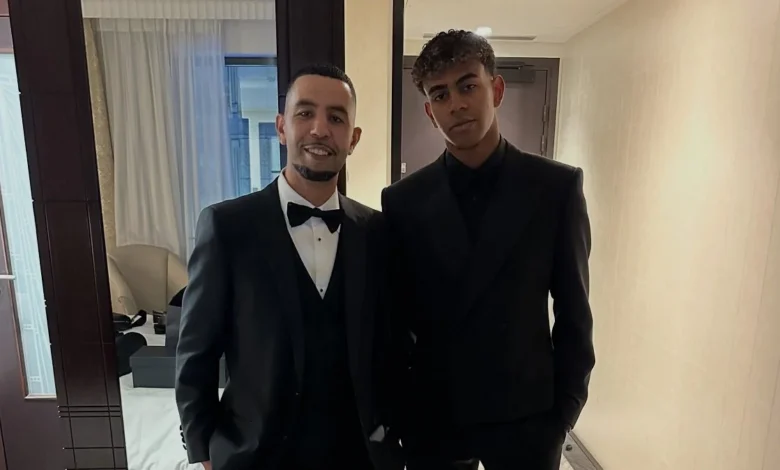
JAKARTA – Mounir Nasraoui, the father of Spanish football sensation Lamine Yamal, will not be in attendance to witness his son compete in the highly anticipated 2026 FIFA World Cup final, where the Spanish national team is set to clash with Argentina. Nasraoui’s absence stems from a long-standing battle with epilepsy, a neurological disorder that significantly complicates long-distance travel and exposure to high-stress environments. This decision, publicly shared by Nasraoui himself, casts a spotlight on the often-unseen challenges faced by individuals with chronic medical conditions, even as their loved ones reach the pinnacle of global sporting achievement.
While Lamine Yamal’s younger brother, Keyne, has frequently been a visible and animated presence in the stands throughout Spain’s impressive World Cup campaign, drawing the attention of broadcast cameras, Mounir Nasraoui has consistently been absent from the stadium. His declaration that he will also miss the monumental final underscores the severity of his condition and his prudent decision to prioritize his health over attending one of the most significant moments in his son’s nascent, yet already illustrious, career. The upcoming final marks a critical juncture for Spain, and the absence of a parent under such circumstances highlights a deeply personal narrative amidst the grandeur of international football.
The Personal Sacrifice: Mounir Nasraoui’s Health Battle
Mounir Nasraoui has candidly explained that his inability to travel is directly linked to his epileptic condition, which necessitates a strict daily medication regimen and careful management of environmental factors. He elaborated on the daily challenges, stating, "I suffer from epilepsy. I have to take a lot of medication every day, and I can have epileptic seizures." This daily requirement involves taking five pills, a routine crucial for controlling his seizures. The unpredictability of these episodes, particularly when exposed to significant stress or heightened emotional states, makes long-haul flights and the intense atmosphere of a World Cup final particularly hazardous for him.
"I could be here, right now, under the influence of stress or emotion, and have a seizure without realizing it. So you always have to think about everything carefully," Nasraoui explained to The Mirror on Sunday, July 19, 2026. This candid admission reveals the profound personal calculation involved in his decision. For Nasraoui, the primary concern is not just his own well-being but also the potential disruption or concern his condition might cause to those around him. He articulated this responsibility, saying, "Before traveling, you have to think about me, him, and everyone around us, you know? I might cause problems. So it’s better to stay at home and observe all this from here." His choice reflects a mature understanding of his limits and a desire to avoid burdening his family or the event itself with an unforeseen medical emergency.
This isn’t Nasraoui’s first public appearance in support of his son, nor is it his first time discussing his condition. He was present at the Euro 2024 final in Berlin, where he joined his son on the pitch for the post-match celebrations, and also attended the prestigious Ballon d’Or ceremony. These instances suggest that while he is capable of attending certain events, the unique combination of distance, travel requirements, and the sheer magnitude and emotional intensity of a World Cup final might push his health management beyond a safe threshold. His openness about his condition extends to social media, where he has used platforms like Instagram to address negative comments and to speak about instances where he has been "robbed many times" and "people take advantage of me" due to his illness, further underscoring the daily struggles and vulnerabilities he navigates.
Lamine Yamal’s Ascendance: A Phenomenon on the Global Stage
Lamine Yamal’s journey to the 2026 FIFA World Cup final has been nothing short of meteoric. Born in July 2007, the prodigious winger has shattered numerous records since his debut for FC Barcelona at just 15 years old. His rapid rise saw him become the youngest player ever to feature for Barcelona in La Liga, and subsequently, the youngest goalscorer for both his club and the Spanish national team. His exceptional talent, characterized by blistering pace, dazzling dribbling skills, and a keen eye for goal, has established him as one of the most exciting prospects in world football.
Yamal’s impact was already profoundly felt during Euro 2024, where he played a pivotal role in Spain’s campaign, demonstrating maturity and skill far beyond his years. His performances against seasoned veterans and world-class defenders, including his memorable clashes against players like Kylian Mbappé, solidified his status as a key figure for La Roja. His inclusion in the 2026 World Cup squad, at an even younger age than many expected, was a testament to his consistent excellence and the trust placed in him by the national team coaching staff. For Spain, Yamal represents not just the present but also the vibrant future of their footballing identity, a dynamic attacker capable of unlocking the tightest defenses. His presence in the final against a formidable Argentina side is a culmination of years of dedication, talent, and relentless hard work.
The Grand Stage: 2026 FIFA World Cup Final
The 2026 FIFA World Cup, co-hosted by the United States, Canada, and Mexico, represents an expanded tournament with 48 teams, making the journey to the final even more arduous and remarkable. The final match, pitting Spain against Argentina, is set to be a clash of titans. Spain, known for its elegant possession-based football and the emergence of a new generation of supremely talented players like Yamal, Pedri, and Gavi, has navigated a challenging path to reach this pinnacle. Their disciplined play, tactical astuteness, and flashes of individual brilliance have seen them overcome numerous adversaries.
On the other side, Argentina, likely spearheaded by the legendary Lionel Messi in what could be his swansong, embodies a blend of tactical shrewdness, individual genius, and an unyielding spirit. The prospect of these two footballing philosophies clashing in the final promises a spectacle of the highest order. For Spain, a victory would cement their status as a dominant force in world football, ushering in a new golden era. For Argentina, it would be an opportunity to potentially send off their iconic captain with another major international trophy, adding another glorious chapter to their storied football history. The atmosphere in the stadium, regardless of Nasraoui’s physical presence, will be electric, a cauldron of anticipation and fervent support, underscoring the global appeal and emotional weight of the event.
Epilepsy and Travel: A Complex Interplay of Health and Logistics
Mounir Nasraoui’s decision to forgo attending the World Cup final highlights the significant challenges faced by individuals living with epilepsy, particularly concerning long-haul international travel. Epilepsy is a chronic neurological disorder characterized by recurrent, unprovoked seizures, which are sudden surges of electrical activity in the brain. The triggers for seizures can vary widely among individuals but often include stress, fatigue, sleep deprivation, alcohol consumption, certain medications, and even flickering lights.

Long-distance air travel, especially across multiple time zones, introduces a multitude of potential triggers. The disruption of sleep patterns and circadian rhythms can lead to fatigue and sleep deprivation, both known to lower the seizure threshold. The stress associated with navigating airports, dealing with potential delays, and the confined environment of an aircraft can also be significant stressors. Furthermore, changes in atmospheric pressure during flights, though not universally a trigger, can affect some individuals. Maintaining a strict medication schedule is paramount for seizure control, and time zone changes can complicate this, requiring careful planning and adjustment. Missing even a single dose, or taking it at an irregular time, can significantly increase the risk of a seizure.
For Nasraoui, the risk of experiencing a seizure in a public and high-stakes environment like a World Cup final is not merely a personal inconvenience; it carries broader implications. The potential for a seizure to occur, particularly under intense emotional stimulation, could not only endanger himself but also cause distress and concern for his family and fellow spectators. His candid admission about not wanting to "cause problems" reflects a profound sense of responsibility and an understanding of the unpredictable nature of his condition. This decision underscores the need for greater awareness and understanding of how chronic illnesses impact daily life and the ability to participate in major life events.
Prior Appearances and the Nuances of Support
While Mounir Nasraoui will not be in the stands for the World Cup final, his absence is not indicative of a lack of support for his son. He has been a visible and proud father at other significant milestones in Lamine Yamal’s career. His presence at the Euro 2024 final, where he joined his son on the pitch to celebrate Spain’s triumph, demonstrates his willingness and ability to attend events under different circumstances. Similarly, his attendance at the Ballon d’Or ceremony, a prestigious individual award event, highlights his commitment to celebrating Yamal’s achievements.
These instances suggest that the decision regarding the World Cup final is a carefully weighed one, considering the specific logistical and health-related factors unique to this particular event. The Euro 2024 final, held in Berlin, might have involved a shorter travel distance or different travel arrangements compared to the multi-continental 2026 World Cup. The level of stress and anticipation surrounding a World Cup final, arguably the pinnacle of international football, could also be perceived as significantly higher than other events.
The ongoing presence of Lamine’s younger brother, Keyne, in the stands provides a vital family connection. Keyne’s enthusiastic support, often captured by cameras, serves as a visual representation of the family’s collective pride and encouragement. This dynamic illustrates that support can manifest in various forms, and while physical presence is cherished, the underlying emotional bond and understanding remain paramount. Lamine Yamal, a young man who has matured rapidly in the public eye, undoubtedly understands and appreciates his father’s reasons, knowing that his health and well-being are the priority. The knowledge that his father is watching and cheering from home, albeit remotely, still provides a powerful source of motivation.
Broader Implications: Disability Awareness and Inclusivity in Sports
Mounir Nasraoui’s public disclosure about his epilepsy and its impact on his ability to attend the World Cup final serves as a powerful reminder of the challenges faced by individuals with chronic medical conditions. His openness helps to destigmatize epilepsy, a condition that has historically been shrouded in misunderstanding and prejudice. By speaking frankly about his daily medication regimen and the risk of seizures, Nasraoui contributes to a broader public dialogue about chronic illness and its implications for everyday life, including participation in major social and sporting events.
This situation also raises important questions about accessibility and inclusivity in major international events. While physical accessibility for individuals with mobility impairments has seen significant improvements, the needs of those with invisible disabilities or chronic medical conditions that are exacerbated by travel or high-stress environments often remain less addressed. Organizers of future mega-events might consider enhanced support systems or more flexible arrangements for family members of athletes who face similar health challenges, ensuring that remote participation feels as connected and inclusive as possible.
Moreover, this narrative underscores the evolving nature of support in the digital age. In an era of instant communication and live streaming, physical presence is no longer the sole measure of support. Mounir Nasraoui will undoubtedly be watching every moment of the final from home, his emotional connection to his son’s performance undiminished by distance. This remote yet fervent support is a testament to the enduring bond between parent and child, transcending geographical barriers and medical limitations.
Impact on Lamine Yamal: Focus Amidst Personal Realities
For Lamine Yamal, navigating the personal reality of his father’s absence while preparing for the biggest match of his life presents a unique psychological challenge. Elite athletes are accustomed to immense pressure, but this adds a deeply personal layer. However, given his father’s candidness and the family’s understanding of the situation, it is highly probable that Yamal draws strength from his father’s responsible decision. Knowing that his father is prioritizing his health and supporting him from a safe environment can be a source of peace, rather than distress.
Athletes often speak of the importance of mental fortitude and focusing solely on the task at hand. Yamal, already demonstrating exceptional maturity for his age, will undoubtedly channel any personal feelings into his performance on the pitch. The motivation to perform for his family, including his father watching from afar, could serve as an even greater impetus. His father’s sacrifice and self-awareness reinforce the values of health and well-being, which are universally understood and respected.
In conclusion, Mounir Nasraoui’s absence from the 2026 FIFA World Cup final due to his epilepsy is a poignant reminder of the personal sacrifices and complex realities that often exist behind the scenes of global sporting spectacle. While the world’s eyes will be fixed on Lamine Yamal and the Spanish national team, his father’s decision highlights the courage and pragmatism required to manage a chronic condition, all while offering unwavering, albeit remote, support for a son on the precipice of footballing immortality. It’s a narrative that enriches the human element of the beautiful game, fostering greater empathy and understanding for the diverse challenges individuals face in life.