Jakarta, Indonesia – The unparalleled natural beauty and unique biodiversity of Indonesia’s Komodo National Park have once again captured global attention, earning a coveted spot among the top 20 world’s best travel destinations for 2026. This prestigious recognition, released by the BBC, places the iconic Indonesian island alongside other globally renowned locations and highlights its growing significance on the international tourism map.
The BBC’s curated list celebrates destinations offering a blend of natural wonders, cultural richness, and emerging travel trends. Komodo National Park, a UNESCO World Heritage site, is lauded for its prehistoric inhabitants, the Komodo dragons, and its dramatic landscapes, which include volcanic islands, savannas, and vibrant coral reefs. This inclusion underscores Indonesia’s commitment to preserving its natural heritage while promoting sustainable tourism.
The BBC’s selection process, while not publicly detailed in terms of specific criteria for each destination, typically emphasizes unique selling propositions, emerging trends, and destinations poised for significant visitor interest. The inclusion of Komodo National Park alongside diverse locations such as the historic coastal city of Dubrovnik and the mountainous hiking trails of Montenegro, the vibrant cultural hubs of Buenos Aires and Montevideo, and the rapidly developing cultural landscape of Abu Dhabi, signifies a broad spectrum of travel appeal.
A Global Spotlight on Natural and Cultural Marvels
The BBC’s "20 best travel destinations for 2026" list showcases a remarkable array of global attractions, each offering distinct experiences for discerning travelers. From the burgeoning cultural scene in Abu Dhabi, United Arab Emirates, to the rugged beauty of the Oregon Coast in the United States, the selection reflects a diverse global appetite for exploration and discovery.
Key highlights from the BBC’s 2026 list include:
- Abu Dhabi, UAE: Emerging as a significant cultural nexus in the Middle East, Abu Dhabi is enhancing its appeal with the Saadiyat Cultural District, featuring attractions like TeamLab Phenomena, the Zayed National Museum, and the Natural History Museum Abu Dhabi. Yas Island continues its expansion as a premier entertainment destination.
- Algeria: This North African nation offers a compelling mix of historical sites, including the Roman ruins of Timgad and Djémila, alongside the captivating landscapes of Algiers, Constantine, and the vast Sahara Desert.
- Colchagua Valley, Chile: Renowned for its world-class vineyards, exceptional cuisine, star-gazing observatories, and colonial villages, this wine region stretches from the Andes to the Pacific Ocean.
- Cook Islands: Rarotonga captivates with its turquoise lagoons and strong Polynesian culture, while Aitutaki provides a more tranquil escape.
- Costa Rica: The Osa Peninsula is a biodiversity hotspot, offering a seamless integration of rainforests, pristine beaches, world-class surfing, yoga retreats, and eco-tourism opportunities within Corcovado National Park.
- Hebrides, Scotland: This archipelago is characterized by its white-sand beaches, ancient stone sites like Calanais, and its rich whisky heritage.
- Ishikawa, Japan: The Noto Peninsula is being highlighted as a destination for recovery and resilience following a recent earthquake, inviting travelers to support its regeneration while experiencing the beauty of Kenrokuen Garden, traditional houses, and local sake.
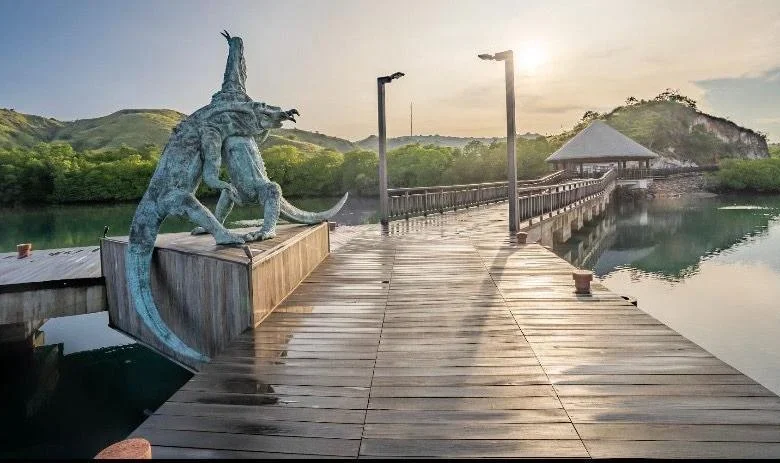
- Komodo Islands, Indonesia: The Komodo National Park is set to celebrate its 45th anniversary in 2026, a milestone that will be marked by new conservation initiatives. Improved accessibility, with direct flights from Singapore and Kuala Lumpur to Labuan Bajo, further enhances its appeal.
- Loreto, Mexico: The protected waters of the Sea of Cortez within Loreto National Park serve as a vital habitat for blue whales, sea turtles, and California sea lions.
- Montenegro: Beyond the iconic Bay of Kotor, the country boasts the dramatic Prokletije mountains and the challenging Peaks of the Balkans hiking trail.
- Oregon Coast, USA: This stretch of coastline offers a classic road trip experience with its dramatic cliffs, lush redwood forests, and iconic lighthouses.
- Oulu, Finland: As a European Capital of Culture in 2026, this city near the Arctic Circle will host a vibrant calendar of art festivals, alongside opportunities to experience traditional saunas and Arctic cuisine.
- Philadelphia, USA: The city will commemorate the 250th anniversary of American independence with a series of historical festivals and major international sporting events.
- Phnom Penh, Cambodia: A new airport and a revitalized riverfront have transformed Cambodia’s capital into a compelling tourist destination, offering more than just a transit point. Visitors can explore its rejuvenated riverside, savor local delicacies, and visit the Royal Palace and iconic markets.
- Guimarães, Portugal: Recognized as the birthplace of Portugal, this city celebrates 25 years as a UNESCO World Heritage site and holds the title of European Green Capital.
- Samburu, Kenya: This conservation area is a prime destination for safaris focused on rare wildlife, alongside elephant rescue centers and astronomical tourism.
- Santo Domingo, Dominican Republic: The historic Zona Colonial has undergone significant restoration in preparation for the 2026 Central American and Caribbean Games.
- Slocan Valley, Canada: The upcoming opening of the Japanese Canadian Legacy Trail will honor the history of Japanese Canadians during World War II.
- Uluru, Australia: The new Uluru-Kata Tjuta Signature Walk provides visitors with an immersive experience of the desert landscape and the rich culture of the Indigenous Anangu people.
- Uruguay: This South American nation offers a diverse appeal, from its Atlantic beaches and the colonial charm of Colonia del Sacramento to the vast pampas grasslands and the longest carnival in South America.
Komodo National Park: A Conservation Success Story and Emerging Tourism Hub
The inclusion of Komodo National Park on this esteemed list is a testament to its unique ecological significance and the ongoing efforts to preserve its natural wonders. Designated as a UNESCO World Heritage site in 1991, the park encompasses three major islands – Komodo, Rinca, and Padar – along with numerous smaller islands. It is the sole natural habitat of the Komodo dragon (Varanus komodoensis), the world’s largest living lizard, a species that has roamed the Earth for millions of years.
The park’s ecosystem is remarkably diverse, supporting a rich marine life that includes manta rays, sharks, dolphins, and a vibrant coral reef system, making it a world-class destination for diving and snorkeling. The terrestrial environment features a unique blend of savanna, monsoon forest, and rugged terrain, creating a dramatic and awe-inspiring landscape.
A Look at the Chronology of Recognition and Development:
- 1980: Komodo National Park is established to protect the Komodo dragon and its habitat.
- 1984: The park is recognized as part of UNESCO’s Man and the Biosphere Programme.
- 1991: Komodo National Park is inscribed as a UNESCO World Heritage site, acknowledging its outstanding universal value.
- Early 2000s: Efforts to promote sustainable tourism gain momentum, balancing conservation with visitor experience.
- 2019: Indonesia temporarily closed Komodo Island to the public for conservation purposes, a move that underscored the commitment to protecting the dragons and their environment. This closure, though brief, generated significant international attention on the need for responsible tourism.
- 2020-Present: Enhanced infrastructure development in Labuan Bajo, the gateway to Komodo National Park, including airport upgrades and improved port facilities, aims to streamline visitor access and enhance the overall travel experience.
- 2026: The park celebrates its 45th anniversary, coinciding with its recognition by the BBC as a top global destination. This year is also expected to see the launch of new conservation programs and an increased focus on responsible tourism practices.
Enhancing Accessibility and Conservation Efforts
The BBC’s mention of improved direct flight access from Singapore and Kuala Lumpur to Labuan Bajo is a critical development for international travelers. This increased connectivity significantly reduces travel time and complexity, making Komodo National Park a more accessible and attractive destination for a wider global audience. The Indonesian government and tourism stakeholders have been actively working to enhance the infrastructure surrounding the park, including Labuan Bajo, to accommodate the growing number of visitors while minimizing environmental impact.
Supporting Data and Implications:
The economic impact of tourism on regions like Komodo National Park is substantial. According to data from the Indonesian Ministry of Tourism and Creative Economy, national tourism contributes significantly to the country’s Gross Domestic Product (GDP) and provides employment opportunities for local communities. The recognition by the BBC is expected to further boost visitor numbers, potentially leading to:
- Increased Revenue: Higher visitor numbers translate directly into increased revenue for local businesses, tour operators, and the government through tourism taxes and fees.
- Job Creation: The expansion of the tourism sector necessitates the creation of new jobs in hospitality, guiding, transportation, and local crafts.
- Community Development: A portion of tourism revenue is often reinvested in community development projects, improving infrastructure, education, and healthcare in the surrounding areas.
- Heightened Conservation Awareness: Global recognition often brings increased attention to conservation challenges and can galvanize support for environmental protection initiatives.
However, the surge in popularity also presents challenges. Managing increased visitor numbers sustainably is paramount to prevent overcrowding, habitat degradation, and negative impacts on the Komodo dragon population. The BBC’s report notes "new conservation programs" being launched in 2026, signaling a proactive approach to addressing these concerns. These programs likely involve stricter regulations on visitor conduct, waste management, and potentially limits on visitor numbers in sensitive areas.
Official Responses and Future Outlook
While specific official statements from the Indonesian Ministry of Tourism and Creative Economy regarding the BBC’s designation are pending, the recognition is undoubtedly a cause for celebration. Such endorsements are invaluable for national tourism promotion efforts. Previous statements from the ministry have consistently emphasized a commitment to developing "new tourism destinations" that offer unique experiences while prioritizing sustainability.
The BBC’s inclusion of Komodo National Park is more than just a ranking; it’s an affirmation of Indonesia’s commitment to preserving its natural heritage and showcasing it to the world. As 2026 approaches, the focus will be on ensuring that the growing influx of tourists contributes positively to both the local economy and the long-term conservation of this extraordinary ecosystem. The island’s unique appeal, coupled with improved accessibility and a strengthened focus on conservation, positions Komodo National Park for a significant year on the global travel stage, offering a truly unforgettable experience for those who venture to witness its prehistoric wonders.