Viral Video Reveals Alarming River Pollution in Depok, Indonesia, Prompting Environmental Concerns

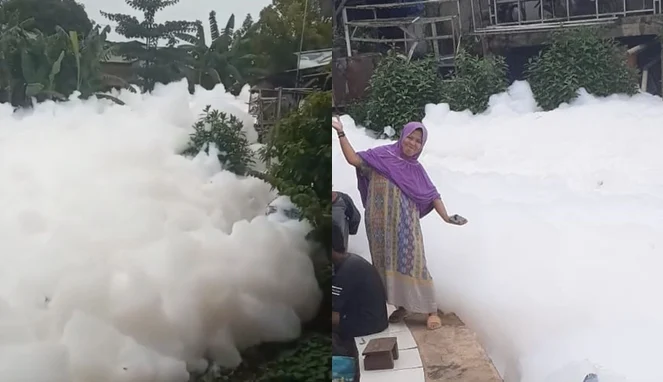
A viral video circulating on social media has brought to light a disturbing environmental issue in Depok, West Java, Indonesia, where the Kali Baru river in the Tugu sub-district of Cimanggis district has been severely contaminated by thick, white foam. The footage, which gained traction on Monday, November 27th, shows the river completely obscured by the foam, with some of it even breaching the riverbanks and reaching the vicinity of nearby homes. The alarming visual has sparked widespread concern and calls for immediate action from authorities.
The video, reportedly captured by a local resident, features the sound of the person exclaiming, "This is wastewater in Depok." The sheer volume and density of the foam are so substantial that the actual river water is rendered invisible. In some parts of the video, the foam is seen rising to a height that envelops approximately five residential homes, creating a surreal and concerning landscape.
Initial reactions from netizens viewing the video ranged from disbelief to outrage. Many commenters initially mistook the scene for something else entirely, with some suggesting it depicted clouds or even snowdrifts due to the unusual white, fluffy appearance. This initial confusion quickly gave way to a shared sentiment of alarm, with a collective plea for the government to address the severe pollution impacting Depok’s waterways.
Local residents have come forward with further details regarding the incident. According to reports, the foam did not appear instantaneously but rather emerged gradually, escalating in thickness and volume over a period of time. Crucially, residents have noted that the smell emanating from the river was not pleasant, refuting any notion that it might be related to common household detergents that produce a fragrant scent. Despite the alarming buildup, witnesses reported that the foam dissipated by the evening of the same day it was recorded.
In response to the escalating public concern and the viral nature of the video, the Department of Environment and Hygiene (DLHK) of Depok City has initiated an investigation into the source of the pollution. Preliminary suspicions point towards domestic wastewater as a likely culprit. The theory is that a confluence of factors, including increased water flow due to the transition from dry to rainy season, has led to the accumulation and subsequent surfacing of pollutants such as soaps and detergents, which are common components of household wastewater.
The DLHK plans to conduct thorough inspections of businesses and residential areas situated along the river to pinpoint the exact origin of the waste responsible for the excessive foaming. This systematic approach aims to identify any potential industrial discharge or significant domestic waste management issues contributing to the problem.
Understanding the Impact of River Pollution
The incident in Depok serves as a stark reminder of the multifaceted dangers posed by river pollution. The implications extend far beyond the immediate visual impact of thick foam.
Health Risks and Disease Transmission
Contaminated rivers are breeding grounds for various pathogens and disease-causing microorganisms. When wastewater, especially that containing untreated human or animal waste, enters river systems, it can lead to the proliferation of bacteria like E. coli and viruses such as Hepatitis A. These contaminants can then spread through direct contact with the water, consumption of contaminated water sources, or through the food chain if aquatic life ingests the pollutants. Diseases like cholera, typhoid, and dysentery are directly linked to the consumption of water contaminated with fecal matter. The presence of industrial chemicals and heavy metals can also lead to long-term health issues, including organ damage and various forms of cancer, through prolonged exposure or consumption of contaminated fish.
Ecological Devastation
The ecological consequences of severe river pollution are profound and often irreversible. The thick layer of foam observed in Kali Baru not only obstructs sunlight, which is essential for aquatic plants to photosynthesize, but also drastically reduces the oxygen levels in the water. This phenomenon, known as eutrophication, can lead to the suffocation of fish and other aquatic organisms, causing widespread die-offs. Industrial pollutants, including heavy metals like mercury, lead, and cadmium, are toxic to aquatic life. They can accumulate in the tissues of fish and shellfish, moving up the food chain and posing a risk to larger predators, including humans who consume them. The disruption of the delicate riverine ecosystem can lead to a loss of biodiversity, impacting the natural balance of the environment.
Impact on Human Livelihoods and Water Security
Beyond direct health risks, river pollution has significant socio-economic ramifications. For communities that rely on rivers for their livelihoods, such as farmers and fishermen, contaminated water can be devastating. Farmers using river water for irrigation risk damaging their crops with toxic substances, leading to reduced yields and economic losses. Fishermen may find their catch contaminated or scarce, impacting their income and food security.
Furthermore, the pollution of rivers directly affects the availability of clean freshwater for domestic use. As natural water sources become unusable due to contamination, communities face increased costs and challenges in accessing safe drinking water. This can necessitate expensive water treatment processes or reliance on imported water sources, placing a significant burden on local economies and individuals. In regions where rivers are a primary source of drinking water, severe pollution can lead to a public health crisis, requiring extensive interventions and resource allocation to ensure safe water supply.
Contextualizing the Depok Incident
The incident in Depok is not an isolated event but rather reflective of broader environmental challenges faced by many rapidly urbanizing areas in Indonesia and globally. As populations grow and industrial activities increase, the strain on natural resources, including rivers, intensifies. Inadequate waste management infrastructure, weak enforcement of environmental regulations, and a lack of public awareness can all contribute to the degradation of water bodies.
The transition from the dry season to the rainy season often exacerbates pollution issues. During dry periods, pollutants can accumulate in riverbeds. When heavy rains arrive, these accumulated substances are washed into the river, leading to a sudden surge in pollution levels, often manifesting as visible phenomena like the foam seen in Kali Baru. This seasonal pattern highlights the need for proactive waste management and pollution control measures that can withstand varying hydrological conditions.
Official Response and Future Outlook
The proactive investigation by the DLHK Depok City is a positive step. Their commitment to identifying the source of the pollution and implementing corrective measures is crucial. However, the long-term effectiveness of these efforts will depend on sustained commitment to enforcement, infrastructure development, and public engagement.
Key questions that remain include:
- What specific industrial or domestic sources are responsible? Pinpointing the exact origin will allow for targeted interventions and accountability.
- What is the chemical composition of the foam? Understanding the exact pollutants involved will inform the remediation strategies and potential health risks.
- What are the immediate and long-term ecological impacts on Kali Baru? A comprehensive environmental assessment is necessary to gauge the extent of the damage and plan for restoration.
- Will there be stricter enforcement of environmental laws and regulations? Consistent and robust enforcement is vital to deter future pollution incidents.
- What measures will be put in place to prevent recurrence? Sustainable solutions, including improved wastewater treatment facilities and public education campaigns, are essential.
The viral video from Depok has served as a powerful wake-up call, highlighting the urgent need for robust environmental protection measures. The response from local authorities and the engagement of the community will be critical in addressing this immediate crisis and safeguarding the health of Depok’s waterways for the future. The incident underscores a global challenge: balancing development with environmental sustainability to ensure the health of our planet and its inhabitants.