Indonesian Ulama Council Spearheads Pesantren Economic Empowerment Through Technology at Multaqā Ru’asā’ al-Ma’āhid II

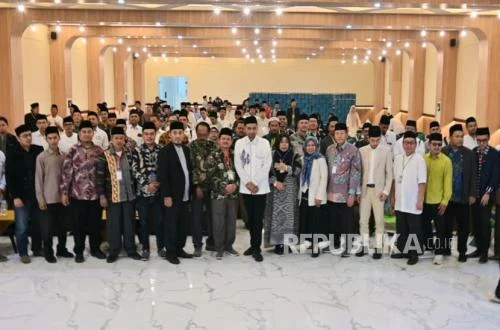
On Saturday, July 18, 2026, STMIK AMIK Bandung, a distinguished institution specializing in information technology, proudly hosted the Multaqā Ru’asā’ al-Ma’āhid II, the Second Forum of Madrasah and Pesantren Leaders. This pivotal event, organized by the Pesantren Commission of the Indonesian Ulema Council (MUI), served as a crucial precursor to the upcoming Eighth Indonesian Islamic Ummah Congress (KUII VIII). The forum centered its discussions around the timely and pertinent theme of "Analysis of Potential and Business Incubation of Islamic Boarding Schools (Pesantren)," bringing together a diverse array of stakeholders. Influential pesantren leaders, distinguished academics, government officials, and representatives from various industry sectors converged with a shared vision to strategize and implement robust mechanisms for strengthening the economic self-sufficiency of pesantren across the archipelago. A cornerstone of the discussions revolved around leveraging cross-sector collaboration and harnessing the transformative power of digital technology to propel these traditional educational institutions into a new era of economic dynamism and sustainability.
A Landmark Gathering for Pesantren Modernization
The Multaqā Ru’asā’ al-Ma’āhid II represents a strategic and forward-thinking initiative by the MUI’s Pesantren Commission, underscoring a growing recognition of the vital role pesantren play not only in religious education but also in national development and economic resilience. As Indonesia continues its trajectory of rapid digital transformation, the imperative for all societal pillars, including traditional educational institutions, to adapt and innovate becomes increasingly pronounced. This forum was meticulously designed to foster an environment of open dialogue and collaborative partnership, enabling participants to collectively explore innovative models for pesantren economic growth. The discussions delved into various critical aspects, from identifying untapped economic potentials within pesantren communities to designing effective business incubation programs that empower santri (pesantren students) and their institutions to become active and integral contributors to the national economy.
The choice of STMIK AMIK Bandung as the host venue itself carried significant symbolic weight, signaling a clear commitment to integrating cutting-edge technological advancement with traditional Islamic learning. This strategic decision marks a significant paradigm shift that promises to reshape the future landscape of pesantren, aligning them more closely with the demands and opportunities of the 21st century. This alignment with the broader objectives of KUII VIII, which typically addresses pressing issues facing the Muslim community in Indonesia and formulates national policy recommendations, positioned the Multaqā as a foundational step in crafting actionable recommendations that will be presented and deliberated upon at the larger congress. The event’s focus on economic independence through modern approaches highlights a progressive vision for Indonesia’s vast network of Islamic boarding schools, aiming to enhance their sustainability and societal impact.
Key Initiatives and Strategic Partnerships Unveiled
A significant and tangible outcome of the Multaqā was the formalization of strategic partnerships aimed at directly benefiting the broader educational and pesantren communities. During the forum, STMIK AMIK Bandung signed a crucial cooperation agreement with Asuransi Jasa Raharja Putera, a prominent state-owned insurance provider known for its extensive reach and commitment to public welfare. This landmark agreement is set to provide comprehensive insurance coverage for all students enrolled at STMIK AMIK Bandung, offering a vital layer of financial security and welfare that can mitigate unforeseen risks and support student well-being. This particular partnership, while specific to the host institution, exemplifies the type of cross-sector collaboration that the Multaqā sought to encourage, demonstrating how private and state-owned enterprises can contribute meaningfully to the development and resilience of educational communities.
Beyond this immediate benefit, Muhammad Iqbal, the Secretary of the MUI Pesantren Commission, articulated the broader strategic objectives driving the Multaqā. He emphasized that the event was a concerted effort by the MUI to formulate comprehensive and strategic recommendations for the upcoming KUII VIII, with a particular and urgent focus on empowering the economic capabilities of pesantren. "Alhamdulillah, today the MUI Pesantren Commission held the second Multaqā in preparation for KUII VIII. The theme this time is the economic independence of pesantren," Iqbal stated on Sunday, July 19, 2026, from Jakarta. His statement underscored the centrality of economic self-reliance as a core pillar in the MUI’s evolving vision for these foundational institutions.
Iqbal further elaborated on two flagship programs meticulously designed to achieve this critical economic empowerment. The first involves building robust synergies between pesantren and various government ministries. This innovative program aims to identify and strategically leverage the often-underutilized land assets owned by pesantren for the cultivation of various productive commodities. By fostering collaboration with relevant ministries, such as the Ministry of Agriculture or the Ministry of Cooperatives and SMEs, pesantren can access essential expertise, crucial resources, advanced technological support, and vital market linkages. This initiative seeks to transform their extensive landholdings into economically viable ventures, ranging from advanced agricultural projects and aquaculture to small-scale industrial operations or even eco-tourism initiatives, thereby generating sustainable income streams for the institutions and contributing to local community development.
The second, and arguably most innovative, initiative is the "Santripreneur" program, a groundbreaking endeavor that will actively involve STMIK AMIK Bandung. This program is conceived as a comprehensive scholarship scheme that will provide santri with invaluable and highly sought-after training in digital marketing. The overarching goal is to equip these students with the essential practical skills and theoretical knowledge needed to effectively build, manage, and scale the economic activities of their respective pesantren in the rapidly evolving digital age. Iqbal underscored the profound transformative potential of this initiative: "The Santripreneur program will offer scholarships, and we hope there will be strong collaboration with Baznas and STMIK AMIK Bandung, especially in the field of digital marketing. The expectation is that they will become economic drivers within their respective pesantren." This program represents a direct and strategic investment in human capital, recognizing that digital literacy, entrepreneurial acumen, and access to modern market channels are absolutely critical for achieving contemporary economic success and ensuring the long-term sustainability of pesantren.
Official Endorsements and Forward-Thinking Perspectives
The innovative approach championed by the MUI and the strategic choice of STMIK AMIK Bandung as the venue garnered significant and widespread praise from key figures across various sectors. Mokhamad Mahdum, a prominent leader from the National Amil Zakat Agency (Baznas RI), lauded the MUI Pesantren Commission’s progressive decision to select a technology-focused campus as the host for such a critical forum. Mahdum articulated that this choice signifies a deeply progressive and forward-looking perspective from the MUI regarding the future trajectory and modernization of pesantren. "This is an extraordinary breakthrough," he remarked, underscoring the bold departure from traditional norms that often confine religious discussions to purely religious institutions. He further elaborated, "The Pesantren Commission’s event was held at a campus known for technology, not a campus based on religious education. This shows that the Kiai within the MUI are thinking far ahead, that pesantren must be able to adapt to the developments of the times." This statement highlights a pivotal moment in the evolution of Islamic education in Indonesia, where respected religious leaders are actively embracing modernity and technological integration without compromising the core values and spiritual integrity of traditional learning.
From STMIK AMIK Bandung’s institutional perspective, hosting such a prestigious national event and forging new strategic partnerships underscore its profound commitment to national development that extends far beyond its primary educational mandate. While no direct statement from the campus leadership was explicitly provided in the original text, it can be logically inferred that the institution would express immense pride in being chosen as a platform for national dialogue on pesantren empowerment. This role positions STMIK AMIK Bandung not merely as an educator of future technology leaders but as a crucial catalyst for social and economic change within the broader Indonesian Muslim community. The partnership with Asuransi Jasa Raharja Putera further solidifies its commitment to student welfare, recognizing that a secure and supportive environment is crucial for fostering successful learning and innovation. The engagement of a tech university in this initiative symbolizes a powerful bridge between tradition and innovation, suggesting a future where religious education can thrive alongside technological advancement.
The Enduring Role of Pesantren in Indonesian Society
To fully appreciate the profound significance and potential impact of the Multaqā Ru’asā’ al-Ma’āhid II, it is essential to understand the deep historical and contemporary role of pesantren in the intricate fabric of Indonesian society. Pesantren, as traditional Islamic boarding schools, are deeply woven into the cultural and spiritual landscape of Indonesia, having served as vital centers of religious learning, moral development, and vibrant community life for many centuries. Estimates from the Ministry of Religious Affairs consistently indicate that there are tens of thousands of pesantren spread across Indonesia, collectively educating millions of santri annually. These institutions are far more than mere schools; they are self-contained communities where students live, learn, and grow, often fostering a strong sense of collective identity, discipline, and spiritual grounding.
Historically, pesantren have been instrumental in preserving and transmitting Islamic knowledge, nurturing countless religious scholars, and even playing a significant and often overlooked role in the struggle for Indonesian independence. In modern times, they continue to be crucial in character building, promoting moderate and tolerant Islam, and providing essential education, particularly in rural and remote areas where access to secular schooling might be limited or nonexistent. However, like many traditional institutions globally, pesantren have faced persistent challenges, including securing sustainable funding, modernizing their curricula to remain relevant in a rapidly changing world, and ensuring their graduates are equipped with the practical skills demanded by the modern job market. The "Pesantren Law" (Undang-Undang Nomor 18 Tahun 2019 tentang Pesantren) further cemented their legal status and formally recognized their invaluable contribution to national education, providing a comprehensive framework for government support and development, yet economic self-reliance remains a critical and aspirational goal.
The Indonesian Ulema Council (MUI), as the highest and most influential Islamic clerical body in Indonesia, plays a crucial role in guiding the Muslim community, issuing religious edicts (fatwas), and providing recommendations on a wide array of religious and social issues. The establishment of the Pesantren Commission within MUI itself explicitly reflects a dedicated and strategic focus on the welfare, development, and modernization of these vital institutions. By initiating and organizing events like the Multaqā, MUI unequivocally demonstrates its commitment to fostering innovation and proactively addressing contemporary challenges within the traditional Islamic education sector, moving beyond purely religious directives to embrace practical and sustainable solutions for socio-economic upliftment and community empowerment.
Broader Implications and Future Trajectories
The Multaqā Ru’asā’ al-Ma’āhid II and the ambitious initiatives unveiled during its proceedings represent a pivotal moment for pesantren in Indonesia, signaling a decisive and necessary shift towards enhanced economic self-reliance and comprehensive modernization. The implications of these strategic directions are far-reaching and hold the potential for transformative impact across multiple societal layers:
For Pesantren and Santri
This paradigm shift actively encourages pesantren to view themselves not just as sacred educational institutions but also as dynamic potential economic hubs. By strategically leveraging their often-extensive land assets, developing essential entrepreneurial skills among their santri, and boldly embracing digital tools, pesantren can generate diverse and robust income streams. This newfound economic autonomy can significantly reduce their dependency on external funding, thereby ensuring long-term institutional sustainability and growth. This move can lead directly to improved facilities, enhanced quality of education, and elevated welfare for both students and dedicated staff. Moreover, the "Santripreneur" program has the profound potential to transform santri from passive job seekers into proactive job creators, equipping them with highly practical and relevant skills for the digital economy, such as advanced e-commerce strategies, professional content creation, and sophisticated online marketing techniques. This directly addresses the critical issue of youth unemployment, particularly in rural areas, and actively fosters a vibrant culture of innovation and self-reliance within these traditional settings.
For MUI and Government
The proactive stance of the MUI Pesantren Commission in orchestrating such a forward-looking event significantly reinforces its image as a dynamic, adaptive, and progressive religious authority. By facilitating critical dialogues that effectively bridge traditional Islamic values with modern societal necessities, MUI demonstrates its impressive capacity to guide the vast Muslim community through the intricate complexities of the 21st century, promoting progress and development while steadfastly upholding core religious principles. This also strengthens MUI’s crucial role as a key interlocutor and bridge-builder between religious institutions, various levels of government, and the private sector. Furthermore, these initiatives align perfectly with Indonesia’s national development agenda, which prioritizes inclusive economic growth, robust job creation, and widespread digital transformation. By empowering pesantren economically, the government can indirectly bolster rural economies, significantly reduce regional disparities, and foster a more inclusive and equitable digital society. Programs like "Santripreneur" contribute directly to the national push for vocational training, digital literacy, and entrepreneurship, particularly among the nation’s youth demographic. The potential utilization of pesantren land for productive commodities also contributes significantly to national food security and agricultural development, which are critical components of national resilience and sustainable growth.
Overcoming Challenges on the Path to Empowerment
Despite the immense potential and optimistic outlook, the successful implementation and widespread adoption of these ambitious programs will not be without significant challenges. The prevalent digital divide, particularly in the more remote and underserved areas where many pesantren are situated, will need to be systematically addressed through robust infrastructure development, ensuring widespread access to affordable and reliable internet connectivity. Cultural adaptation within some highly traditional pesantren communities might also require time, sensitive engagement, and consistent advocacy to embrace new methodologies. Ensuring the long-term sustainability of nascent business ventures, providing continuous mentorship, and establishing effective and reliable market linkages will be absolutely crucial for the success of both the Santripreneur program and the land utilization initiatives. Furthermore, effective and seamless collaboration between multiple government ministries, diverse private entities, and the thousands of varied pesantren across the archipelago will necessitate strong central coordination, clear communication strategies, and a shared commitment to the overarching vision.
The Multaqā Ru’asā’ al-Ma’āhid II thus serves as a powerful testament to the vision of a modernized, economically empowered pesantren community that remains deeply rooted in its profound Islamic traditions. By strategically embracing technology and fostering a spirit of entrepreneurship, Indonesian pesantren are poised to play an even more significant and multifaceted role in the nation’s future, contributing not only to spiritual and intellectual development but also to robust economic growth, social progress, and national resilience. The strategic recommendations emanating from this groundbreaking forum will undoubtedly form a cornerstone of the comprehensive discussions at KUII VIII, charting a clear and innovative course for a new and dynamic chapter in the history of Islamic education and economic empowerment in Indonesia. The strategic blend of tradition and innovation, powerfully exemplified by the choice of a cutting-edge technology campus for a gathering of esteemed religious leaders, signifies a promising and bright horizon where faith and future coalesce harmoniously for the profound betterment of society.