Bandung’s Husein Sastranegara Airport Prepares for Jet Aircraft Resumption Amidst Comprehensive Operational Upgrades

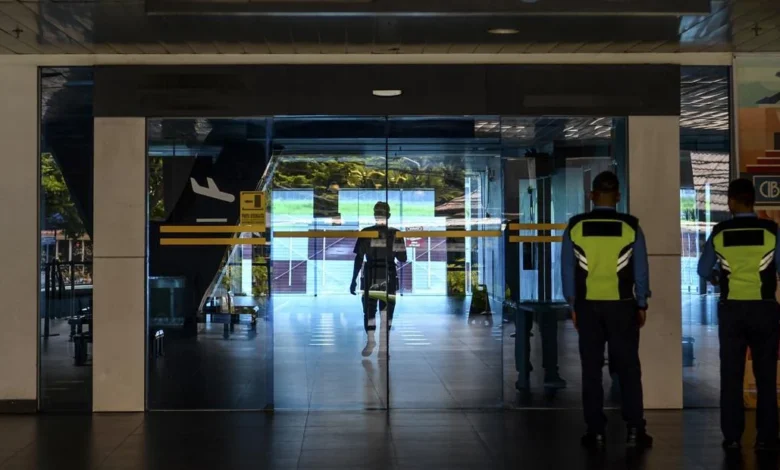
PT Angkasa Pura Indonesia (Persero), operating under the InJourney Airports banner, has announced that preparations for the optimization of Husein Sastranegara Airport in Bandung are progressing smoothly and are on schedule for the anticipated resumption of jet aircraft services in the near future. This significant development signals a renewed era for air travel in West Java’s capital, aiming to bolster connectivity and economic activity.
"Coordination is continuously being carried out with all stakeholders," stated Arie Ahsanurrohim, Corporate Secretary Group Head of InJourney Airports, in a statement relayed via Antara on Sunday, July 19, 2026. The primary focus of these preparatory efforts, according to Ahsanurrohim, is the meticulous fulfillment of all operational readiness aspects as stipulated by the Directorate General of Air Transportation of the Ministry of Transportation. This comprehensive approach underscores a commitment to ensuring that all safety, security, and operational standards are met before the airport fully reopens to jet traffic.
The enhancements encompass critical safety measures, including the provision of a dedicated Foam Tender vehicle for emergency response. Furthermore, the airport is ensuring the availability of essential supporting facilities and infrastructure for Aircraft Rescue and Fire Fighting (ARFF) services, meeting Category 7 requirements. In terms of security, significant upgrades are being made to the Screening Check Point (SCP) facilities, which include the installation of advanced X-ray machines, walkthrough metal detectors (WMTD), and handheld metal detectors (HHTD). These measures are designed to enhance passenger screening efficiency and effectiveness, aligning with international aviation security protocols.
On the airside, substantial work is underway to bolster the load-bearing capacity of the runway, taxiways, and apron. These infrastructure improvements are crucial for accommodating the operational demands of larger jet aircraft, ensuring safe and efficient ground movements and takeoffs/landings. The investment in these upgrades reflects a long-term vision for Husein Sastranegara Airport to handle increased air traffic and larger aircraft types.
InJourney Airports has proactively communicated its operational and service plans for Husein Sastranegara Airport to various airlines. This outreach has evidently been successful, as a total of six airlines have formally submitted applications to commence operations at the revitalized airport. This strong interest from multiple carriers indicates a robust demand for air services to and from Bandung, a city with significant economic and tourism potential.
Airlines Ready to Re-Establish Bandung Routes
The interest from these six airlines highlights a diverse range of intended routes, promising to reconnect Bandung with key domestic and international destinations.
Citilink has expressed its intention to serve routes from Kualanamu (Medan), Denpasar (Bali), and Surabaya. These routes are vital for inter-island connectivity within Indonesia, catering to both business and leisure travelers.
Super Air Jet is poised to offer an extensive network, proposing flights to Kualanamu, Denpasar, Pekanbaru, Makassar, Batam, Padang, Balikpapan, and Pontianak. This broad coverage suggests a strategy to tap into the burgeoning domestic market and serve a wide geographical spread of Indonesian cities.
Garuda Indonesia, the national flag carrier, has indicated its interest in operating the Denpasar route. This signifies a commitment to providing premium services on a popular tourist corridor.
Transnusa is looking to establish international connections, with plans for routes to Kuala Lumpur and Johor Bahru in Malaysia, as well as a domestic route to Lampung. This move signals an ambition to enhance regional connectivity for Bandung.
Scoot, a Singaporean low-cost carrier, has expressed its interest in the Singapore route. This is a critical international gateway for Bandung, facilitating trade, tourism, and business interactions with a major global hub.
Wings Air, a subsidiary of Lion Air Group, aims to connect Bandung with Lampung and Palembang. These regional routes are important for supporting local economies and providing essential air links to these cities.
InJourney Airports will be responsible for managing and ensuring the availability of flight slots (take-off and landing times) at the airport. This process will be crucial for accommodating the airlines’ flight requests in accordance with the airport’s capacity, aiming for an orderly and efficient scheduling system. The careful allocation of slots will be vital to prevent congestion and ensure smooth operations.
Phased Resumption of Jet Operations: A Strategic Approach
The Ministry of Transportation (Kemenhub) has outlined a strategic, phased approach for Husein Sastranegara Airport to resume serving jet aircraft. This plan involves a gradual transition, with initial services expected to commence on August 17, 2026, leading to full operational capacity by September 17, 2026.
"We have prepared two scenarios," explained Lukman F. Laisa, Director General of Air Transportation at Kemenhub, in a statement from Jakarta on Sunday, July 12. "The first scenario targets the commencement of jet aircraft services on August 17, 2026, while the second scenario aims for full operational capacity by September 17, 2026." This phased approach allows for flexibility and ensures that all operational kinks are worked out before the airport handles its maximum capacity.
The Directorate General of Air Transportation has completed the necessary operational studies and safety assessments, which serve as the foundation for the airport’s reactivation. Following this, the responsibility for fulfilling operational readiness rests with PT. Angkasa Pura Indonesia, as the airport operator.
"The entire process must continue to prioritize the principles of safety, security, service, and compliance with civil aviation regulations," emphasized Lukman, underscoring the paramount importance of these aspects in aviation.
Scenario Planning for Enhanced Airport Functionality
Scenario 1: Initial Operations (August 17, 2026)
Under the first scenario, Husein Sastranegara Airport is slated to handle jet aircraft operations with a minimal footprint. This phase will primarily accommodate business flights and charter operations. The infrastructure readiness at this stage will focus on supporting essential services and basic operational needs. This limited resumption allows for a controlled reintroduction of jet traffic, enabling the airport and airlines to adapt to new procedures and systems. It also provides an opportunity to test the upgraded infrastructure in a less demanding environment.
Scenario 2: Full Operational Capacity (September 17, 2026)
The second scenario aims for the airport to fully serve jet aircraft categories such as the Boeing 737-800 and Airbus A320. This will be achieved through the implementation of a sophisticated slot management system. This system is designed to ensure that operational capacity is managed in a safe, orderly, and effective manner, preventing delays and optimizing air traffic flow. The transition to full capacity signifies the airport’s readiness to handle a significant volume of commercial passenger flights, catering to a broader market segment.
Critical Safety and Infrastructure Upgrades
From a flight safety perspective, the Directorate General of Air Transportation is urging PT. Angkasa Pura Indonesia to promptly fulfill the requirements for Aircraft Rescue and Fire Fighting (ARFF) services, specifically Category 7. This is a crucial step in ensuring that the airport is equipped to handle any emergency situations involving jet aircraft.
The fulfillment of these ARFF requirements is planned to be achieved through the mobilization of Aircraft Rescue and Fire Fighting (ARFF) vehicles from Kertajati Airport. This relocation will occur after the conclusion of the Hajj pilgrimage return operations, a strategic decision to leverage existing resources efficiently. Furthermore, the airport will reinforce its ARFF personnel to ensure adequate staffing levels and expertise.
Regarding other necessary supporting equipment, the objective is to optimize and mobilize existing assets rather than procuring new ones. This approach aims to enhance efficiency and cost-effectiveness in the reactivation process. By repurposing and reallocating available resources, the project seeks to minimize expenditure while still meeting all operational and safety standards. This demonstrates a commitment to resourcefulness and sustainability in the airport’s revitalization.
Background and Context: A Strategic Revival
The decision to upgrade and reactivate Husein Sastranegara Airport for jet aircraft services comes after a period where its operational capacity was limited, primarily serving turboprop aircraft. This limitation had impacted Bandung’s ability to attract certain types of flights and airlines, potentially affecting its competitiveness as a travel destination and business hub. The Indonesian government, through its aviation authorities and state-owned enterprises like InJourney Airports, has recognized the strategic importance of enhancing air connectivity for major cities.
Bandung, as a provincial capital and a major economic and educational center, has a substantial demand for air travel that was not being fully met by the existing infrastructure. The resumption of jet services is expected to stimulate tourism, facilitate business travel, and boost the local economy by making the city more accessible.
The timeline of August and September 2026 for the phased resumption of jet operations is indicative of the significant undertaking involved in upgrading airport infrastructure and ensuring regulatory compliance. The comprehensive nature of the preparations, from safety equipment to runway capacity, highlights the meticulous planning required for such a transition.
Broader Implications and Economic Impact
The successful reactivation of Husein Sastranegara Airport for jet operations is poised to have far-reaching implications for Bandung and the surrounding West Java region.
Economic Growth: Increased air connectivity is a significant driver of economic growth. The ease of travel for business professionals will foster trade, investment, and collaboration. The influx of tourists, both domestic and international, will boost the hospitality sector, retail, and local services. The proposed routes by airlines like Citilink, Super Air Jet, and Scoot are designed to tap into diverse markets, further amplifying this economic effect.
Tourism Development: Bandung is a popular destination known for its natural beauty, cultural heritage, and vibrant arts scene. Enhanced air access will make it easier for travelers from across Indonesia and Asia to visit, potentially leading to a surge in tourism revenue. The inclusion of routes to Denpasar and Singapore by Garuda Indonesia and Scoot, respectively, are particularly significant for attracting international visitors and facilitating onward travel.
Regional Connectivity: The commitment from multiple airlines to operate various routes underscores the demand for improved air links. The resumption of services by Transnusa to Kuala Lumpur and Johor Bahru, for instance, signifies a renewed focus on regional connectivity, which can benefit trade and cultural exchange.
Job Creation: The expanded operations at the airport will necessitate an increase in staffing across various sectors, including airport management, ground handling, security, retail, and hospitality, leading to job creation in the region.
Infrastructure Advancement: The ongoing upgrades to the runway, taxiway, and apron, along with enhancements to safety and security systems, represent a significant investment in the region’s infrastructure. This not only benefits aviation but also contributes to the overall modernization of Bandung’s transportation network.
The phased approach, with a clear timeline and distinct operational scenarios, demonstrates a responsible and strategic management of this critical infrastructure project. The collaboration between InJourney Airports and the Ministry of Transportation, along with the proactive engagement of airlines, paints a promising picture for the future of air travel in Bandung. The successful implementation of these plans will undoubtedly re-establish Husein Sastranegara Airport as a vital gateway, contributing significantly to the socio-economic development of West Java.