Streamlining Group Travel Logistics Using QR Code Integration for Location Sharing and Information Management

The logistical challenges inherent in group travel—coordinating multiple vehicles, ensuring drivers navigate to precise locations, and managing shared digital assets—often result in communication breakdowns that can derail travel itineraries. In an era where digital dependency is high, the discrepancy between navigation links sent via chat applications and the actual arrival points at venues remains a common friction point for travelers. Recent trends in travel management suggest that the integration of QR (Quick Response) codes as a bridge between digital navigation links and physical interaction is significantly reducing arrival times and coordination errors.
By converting Google Maps URLs, Wi-Fi credentials, and collaborative digital folders into static or dynamic QR codes, organizers can bypass the limitations of traditional text-based sharing. This method is particularly effective for large groups, such as those traveling to complex environments like the Puncak region in West Java, where rural road layouts often result in inaccurate GPS pinning and fragmented communication between drivers and passengers.
Chronology and Operational Challenges in Group Coordination
The necessity for improved logistical tools emerged from recurring reports of "navigation drift," where group members and contracted drivers arrive at different entrances or entirely incorrect locations due to the ambiguity of shared text links. In a typical scenario, a group of ten individuals utilizing two separate rental vehicles often faces the "driver-not-in-group" dilemma. When a hired driver is not part of a messaging group, they lose access to real-time location updates, leading to a reliance on imprecise verbal instructions or incorrect address pinning.
Historically, the workflow for a trip to a destination like Puncak involved:
- Pre-trip: Distribution of location links via messaging applications.
- Transit: Manual entry of coordinates by drivers, frequently prone to human error.
- Arrival: Confusion at the destination regarding specific entry points (e.g., guest entrances versus service entrances).
The introduction of QR codes changes this sequence by shifting the burden from the driver’s ability to manually input or interpret text to a simple, standardized scanning process. By providing drivers and guests with a physical or digital "information card," the margin for error is reduced to the accuracy of the original digital pin.
Technical Implementation and Data Accuracy
The technical efficacy of QR-based navigation relies on the precision of the underlying Google Maps data. When creating these codes, organizers are advised to use direct coordinate-based links or "Plus Codes"—a geocode system that identifies a specific location even in areas where traditional street addresses are non-existent or inconsistent.
From a data management perspective, the process involves three distinct layers:
- Navigation Layer: Converting Google Maps URLs into QR codes using third-party generation services. These codes do not store location data themselves but act as a portal to the cloud-based map service.
- Connectivity Layer: Encapsulating Wi-Fi SSID and password credentials into a single scanable code. This eliminates the need for manual password entry, which is a significant source of latency during the initial arrival phase.
- Administrative Layer: Centralizing itineraries and media assets in cloud storage, such as Google Drive, and generating QR codes for access.
Expert analysis indicates that using QR codes for navigation addresses the "last-mile" problem in travel. While global positioning systems (GPS) are highly accurate, the human element—typing a street name or interpreting "turn left after the market"—introduces variables that degrade the accuracy of the navigation. A QR code, conversely, provides a hard link to the exact latitude and longitude, ensuring that the destination remains static regardless of how many times the instruction is relayed.
Impact on Group Dynamics and Communication Efficiency
For professional tour operators and casual travelers alike, the implications of this organizational shift are substantial. Research into group travel behavior shows that "coordination fatigue"—the stress caused by managing logistics for multiple parties—is a leading factor in diminished travel satisfaction.
By offloading the responsibility of navigation to a standardized code, the role of the "group navigator" is minimized. Instead of fielding constant inquiries regarding addresses or Wi-Fi passwords, the organizer can distribute a physical set of cards or a digital sheet containing the necessary codes. This creates a self-service model that empowers every member of the group to be autonomous.
Furthermore, the integration of collaborative folders via QR codes for photo sharing significantly improves post-trip engagement. By setting the permissions of a shared folder to "Editor" for the duration of the trip, groups can aggregate media from multiple devices into a single repository in real-time, preventing the fragmentation of memories across various private messaging histories.

Expert Recommendations for Logistical Optimization
Travel planners and logistics coordinators emphasize that the quality of the QR code must be commensurate with its intended use. For physical cards that are likely to be used in low-light conditions or by drivers in motion, high-contrast, high-resolution formats like SVG (Scalable Vector Graphics) are recommended over standard rasterized images (PNG or JPG).
Key performance indicators for a successful QR strategy include:
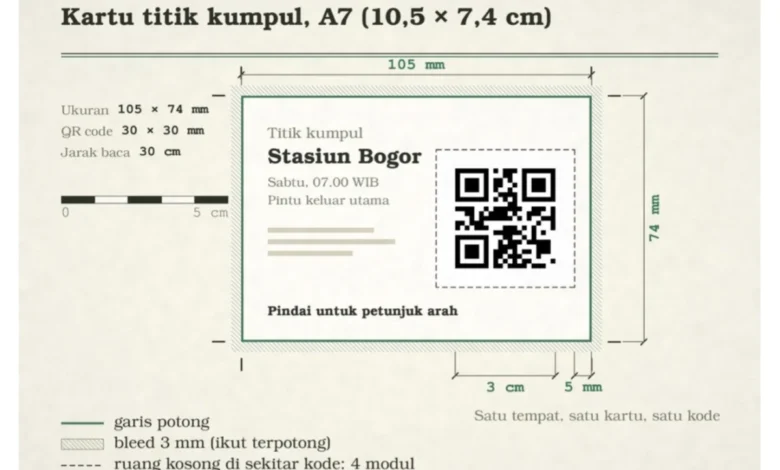
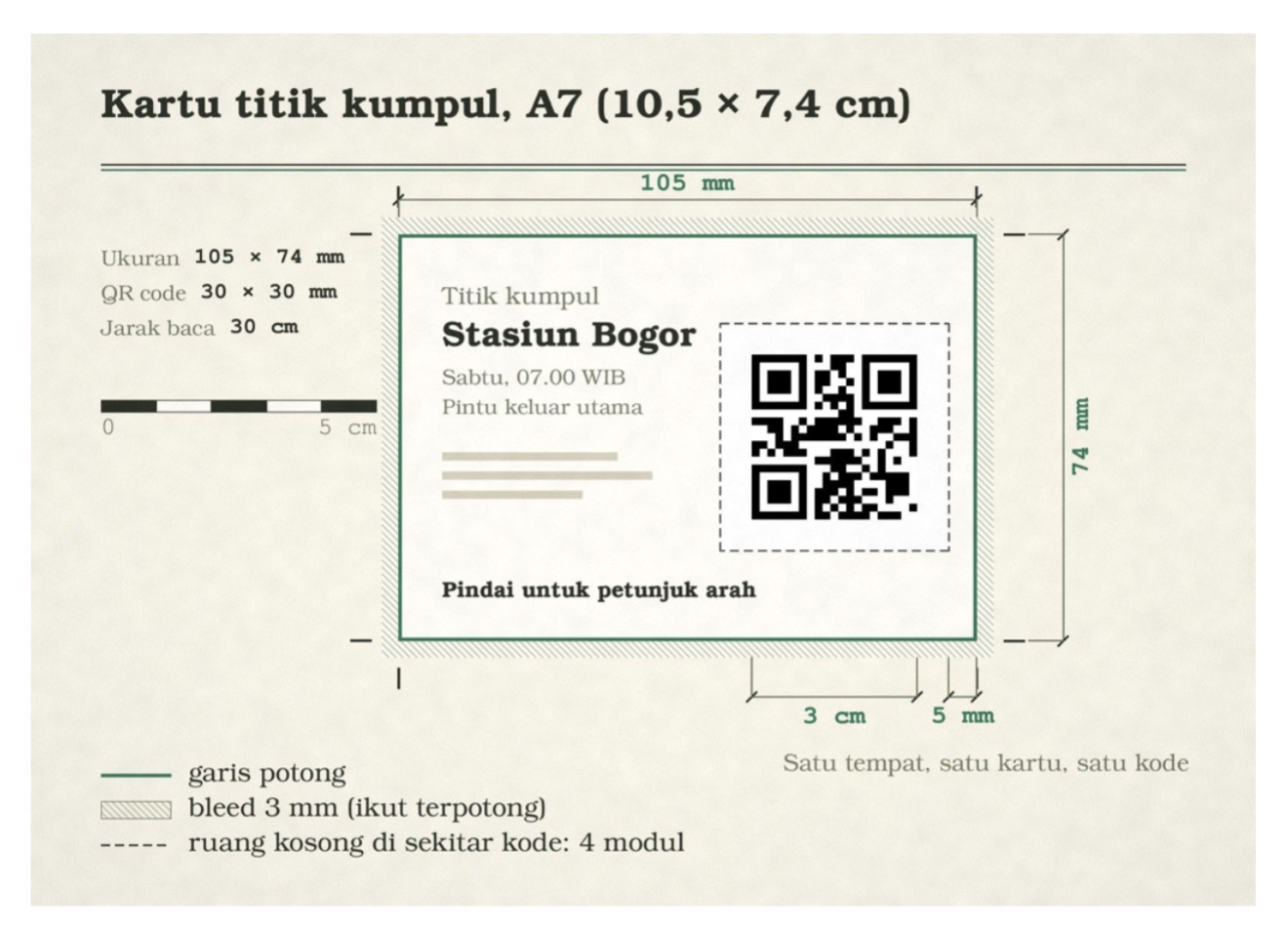
- Scanning Distance: The size of the code should be roughly one-tenth of the distance from which it will be scanned. For a dashboard-mounted card, a 3cm square is generally sufficient.
- Redundancy: When distributing critical information, such as emergency contact numbers or property access codes, backups should be maintained.
- Permission Management: Digital security protocols should be applied to all shared folders. Once a trip concludes, administrative access for shared folders should be transitioned from "Editor" to "Viewer" to prevent unauthorized deletion of assets.
Broader Implications and Future Outlook
The adoption of QR codes in travel is part of a broader trend toward the digitization of physical spaces. As more hospitality providers and tour operators recognize the benefits of "frictionless arrival," we can expect to see more establishments providing static QR codes at their entryways that immediately trigger navigation, check-in, or amenity-access processes.
The primary limitation of this technology remains its reliance on active internet connectivity. Because a QR code only provides a link, the device performing the scan must have an established data connection to render the map or open the cloud document. However, as mobile network penetration continues to grow, this barrier is becoming increasingly marginal.
In conclusion, the transition from manual, text-heavy communication to QR-integrated logistics represents a logical evolution in group travel. By minimizing the potential for human error in navigation and administrative tasks, travelers can shift their focus from the stress of coordination to the actual experience of their destination. As demonstrated by the recent successful implementation of these methods in the Puncak region, the systemic use of standardized codes offers a scalable, reliable, and highly efficient framework for managing the complexities of group travel. Whether for a small party or a large-scale excursion, the implementation of these simple digital tools provides a robust defense against the common logistical failures that have historically plagued group mobility.