The Rise of Lifestyle Traveling: Why Modern Generations Value Experiential Investment Over Material Wealth


The paradigm of personal investment is undergoing a profound structural shift among modern generations, particularly Millennials and Generation Z. For decades, traditional financial markers of adulthood centered on asset accumulation—primarily real estate, private automobiles, and substantial savings portfolios designed for long-term security. However, contemporary consumer behavior data indicates a decisive pivot toward experiential investments, most notably lifestyle traveling. Rather than prioritizing material possessions that depreciate over time, younger demographics increasingly allocate discretionary income toward exploration, cultural immersion, and travel. This transition is not merely a passing recreational trend; it represents a fundamental redefinition of wealth, personal growth, and life satisfaction in the twenty-first century.
This cultural phenomenon has accelerated rapidly over the past decade, driven by several converging socioeconomic and technological factors. The democratization of global aviation, the proliferation of digital nomadism, and the ubiquitous influence of social media platforms have transformed travel from an occasional luxury into an accessible, core component of modern identity. Furthermore, the psychological aftermath of global economic fluctuations and changing work structures has led younger populations to question traditional milestones of success. For many, the memory of navigating uncharted territories, engaging with diverse communities, and overcoming logistical hurdles provides a richer, more enduring form of capital than physical assets. Industry analysts observe that experiential spending yields higher subjective well-being, as memories and personal development remain immune to market volatility.
To understand the trajectory of lifestyle traveling, it is necessary to examine the broader sociological context that shaped the current cohort of travelers. Historically, travel was restricted by high costs, rigid employment structures, and limited access to international information. The late 2000s and early 2010s marked a turning point with the advent of budget airlines, decentralized accommodation platforms, and smartphones capable of real-time navigation and translation. Young professionals entering the workforce during this era witnessed the rise of the gig economy and remote work capabilities, which dissolved traditional geographic boundaries. Consequently, travel evolved from a bi-annual two-week vacation into an integrated lifestyle choice where individuals continuously balance professional commitments with exploratory living.
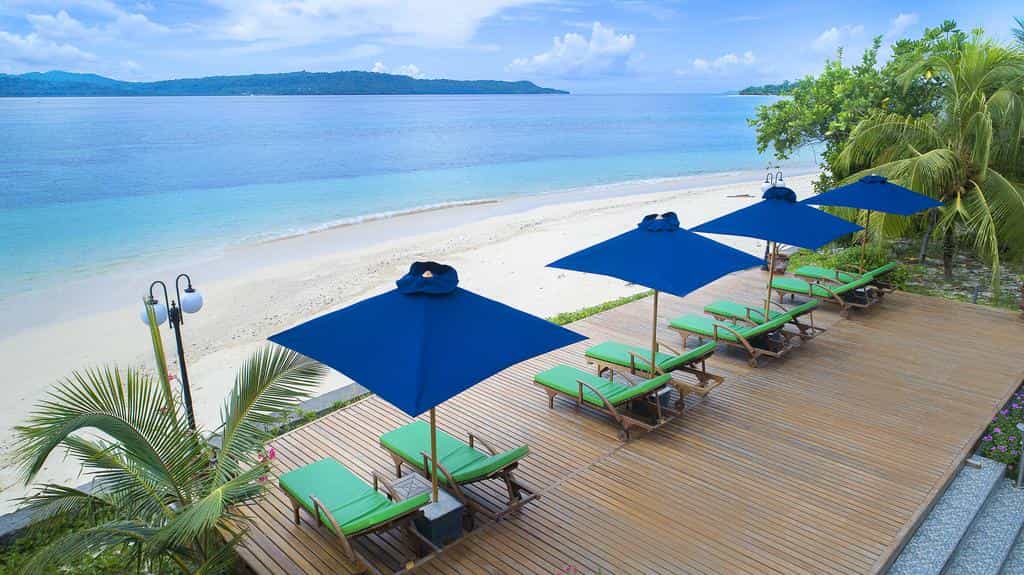
As this trend matures, travel psychologists and sociologists have analyzed its profound implications for personal development. Transitioning from a tourist to an active traveler—someone who embeds themselves within foreign environments rather than observing them superficially—demands a specific set of psychological and practical competencies. Experts note that long-term or lifestyle travel acts as a catalyst for cognitive flexibility, emotional resilience, and cross-cultural empathy. Navigating unfamiliar sociopolitical landscapes forces individuals to abandon rigid preconceptions, thereby fostering a progressive worldview that values adaptability above all else.
For those seeking to institutionalize travel as a permanent lifestyle choice rather than a sporadic escape, industry veterans and seasoned explorers recommend a strategic yet flexible framework. The implementation of lifestyle travel requires careful calibration of mindset, financial resourcefulness, and interpersonal agility.
Overcoming Hesitation and Cultivating Mental Fortitude
The primary barrier preventing aspiring travelers from embracing a mobile lifestyle is the psychological attachment to the comfort of conventional routines. Societal pressures often dictate that financial stability must precede any major lifestyle change, leading individuals to endlessly postpone their aspirations while waiting for an arbitrary savings threshold. However, seasoned lifestyle travelers argue that waiting for ideal financial conditions often results in missed opportunities during peak youth and vitality. Cultivating the lifestyle requires shifting the focus from accumulating a large buffer fund to developing robust survival and financial management skills that can be deployed anywhere in the world. This involves understanding basic remote income generation, adopting frugal living standards, and recognizing that the external world is rarely as perilous as media narratives suggest.

Navigating Uncertainty Through Dynamic Itinerary Management
Traditional vacation planning relies on meticulous, hour-by-hour itineraries designed to maximize efficiency and minimize surprises. Conversely, lifestyle traveling necessitates an organic, adaptive approach to scheduling. While establishing a broad directional framework—such as identifying regional destinations or visa timelines—is essential, maintaining rigid daily plans often prevents travelers from engaging deeply with spontaneous opportunities. Whether it is altering a route due to local recommendations, lingering longer in a culturally rich village, or navigating unexpected logistical delays, the ability to pivot without distress is a critical competency. This flexibility allows travelers to immerse themselves fully in local traditions, unexpected community events, and authentic cultural exchanges that rigid itineraries typically bypass.
Mastering Cross-Cultural Adaptability and Communication
The success of lifestyle traveling hinges on an individual’s capacity to integrate smoothly into unfamiliar cultural ecosystems. Unlike conventional tourists who remain within insulated resort enclaves or standardized hospitality bubbles, lifestyle travelers routinely interface with diverse local populations, socioeconomic systems, and linguistic frameworks. Developing high cross-cultural competence involves active listening, respect for regional etiquette, and the humility to learn basic local vernacular. Adaptability in this context extends beyond social interactions; it encompasses physical resilience, dietary adjustment, and psychological endurance when confronted with infrastructural or administrative challenges. Mastery of these skills transforms potential sources of stress into valuable lessons in global citizenship.

The broader implications of the lifestyle traveling movement extend far beyond individual personal growth, exerting a measurable influence on global tourism economies, local labor markets, and international relations. Economically, the shift toward experiential spending has revitalized rural and off-the-beaten-path economies that historically did not benefit from mass tourism. By decentralizing travel flows away from congested urban centers and major resort corridors, modern travelers distribute economic capital more equitably to local guesthouses, independent guides, and regional artisans. This decentralized economic model fosters sustainable tourism practices that emphasize community-led preservation of natural and cultural heritage.
Furthermore, the mainstreaming of lifestyle travel has prompted significant policy discussions regarding digital nomad visas, remote taxation frameworks, and international healthcare portability. Governments worldwide increasingly recognize the economic contributions of location-independent professionals, leading to the creation of specialized visa categories designed to attract skilled global talent. These policy adaptations signal a permanent shift in how nation-states view temporary residency and cross-border mobility.
Ultimately, the embrace of lifestyle traveling by modern generations reflects a profound psychological reorientation toward what constitutes a meaningful life. By prioritizing the acquisition of diverse perspectives, intercultural understanding, and self-reliance over material accumulation, contemporary travelers are forging a new archetype of personal success. As global connectivity continues to evolve, the integration of travel into daily life will likely remain a defining characteristic of modern youth culture, permanently altering the socioeconomic landscape of the twenty-first century.