Bangkok Aviation Crisis Thai Airways Faces Severe Scrutiny Following Operational Collapse During Flooding Events

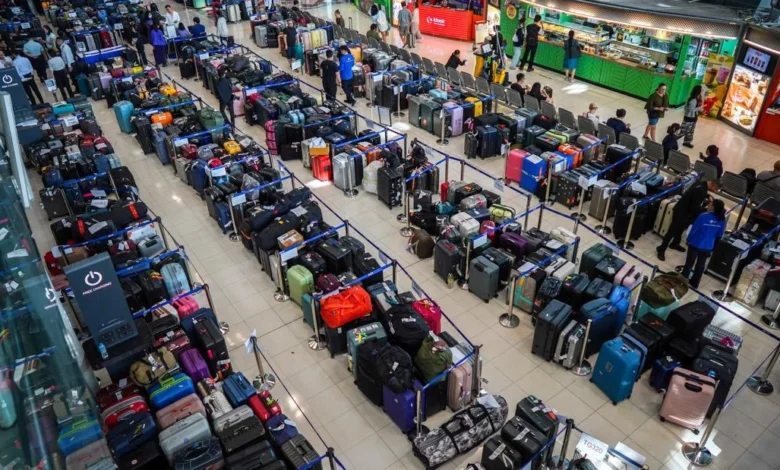
The recent deluge that paralyzed Bangkok between September 24 and September 25, 2026, has evolved from a natural disaster into a significant corporate governance crisis for Thailand’s flagship carrier, Thai Airways. While heavy monsoon rains and flash flooding were the primary catalysts for the disruption, the Thai government has launched a scathing critique of the airline’s crisis management, labeling the subsequent chaos—characterized by thousands of stranded bags and widespread flight delays—as a systemic failure of operational readiness rather than an unavoidable act of nature.
The incident, which impacted approximately 330 flights and left 5,600 pieces of passenger luggage in limbo, has ignited a national debate regarding the resilience of Thailand’s aviation infrastructure. As the dust settles, the Ministry of Tourism and Sports, alongside the Ministry of Transport, is demanding accountability, fearing that the airline’s inability to manage the crisis could severely tarnish the "Land of Smiles" brand and deter international tourism, which remains the backbone of the Thai economy.
Chronology of the Operational Breakdown
The crisis began in the early hours of September 24, 2026, when an intense, prolonged rainfall event submerged key transit arteries and low-lying areas across Bangkok, including the access roads to Suvarnabhumi and Don Mueang International Airports. By the morning of September 25, the impact on human capital became apparent.
As staff members—particularly ground handlers and logistics personnel—found their commutes blocked by flooded roads, Thai Airways began to experience a cascading failure. With a significant portion of its workforce unable to reach the tarmac, the airline’s daily schedule of roughly 110 flights began to unravel. By midday on September 25, the backlog of luggage had reached critical mass, and the departure boards across both major airports showed near-universal delays.
The airline’s management, initially underestimating the scope of the flooding, struggled to pivot. It was not until the afternoon of September 25 that the company implemented a drastic reduction in its flight schedule, cutting daily operations by 30% to stabilize the flow of aircraft and attempt to clear the mounting mountain of luggage.
The Government’s Critique of Operational Preparedness
The criticism leveled against Thai Airways is not merely about the delays, but about the lack of proactive crisis management. Minister of Tourism and Sports, Surasak Phancharoenworakul, who experienced the dysfunction firsthand while returning from Japan, publicly criticized the airline’s internal response mechanisms.
"The flooding was the trigger, but the lack of preparation was the cause," Surasak stated. His frustration stems from the airline’s decision to prioritize third-party clients over its own passengers. Thai Airways manages ground handling services for several international airlines; critics suggest the carrier maintained these services during the flood to avoid contractual penalties, effectively sacrificing the quality of service for its own passengers to fulfill external obligations.
Furthermore, the government highlighted a lack of inter-agency cooperation. While the Royal Thai Air Force and the Ministry of Defense eventually deployed personnel to assist in sorting the luggage, the support was hampered by logistical oversights. Reports emerged that Thai Airways failed to provide basic provisions, such as food or rest areas, for the military personnel assigned to assist them. This necessitated that soldiers return to their barracks for meals, significantly reducing the efficiency of the cleanup operations.
CEO Acknowledgment and Mitigation Strategies
Chai Eamsiri, CEO of Thai Airways, has issued a formal apology to the public, admitting that the company’s initial risk assessment was flawed. In a briefing following the peak of the disruption, Eamsiri confirmed that out of a total ground staff of 500, between 200 and 300 personnel were rendered unable to report for duty due to the flood.
"We underestimated the severity of the infrastructure impact on our workforce," Eamsiri admitted. In response to the crisis, the airline has initiated a recovery plan that includes:
- Logistics Partnerships: Engaging three external delivery service providers, including the state-run Thailand Post, to expedite the distribution of stranded baggage to passengers’ homes or hotels.
- Facility Expansion: Working with Airports of Thailand (AOT) to utilize additional terminal space for temporary luggage storage and processing.
- Compensation Protocols: Establishing a streamlined portal for affected passengers to file claims for delays and baggage mishandling.
- Operational Trimming: Maintaining a reduced flight schedule to ensure that the existing, diminished staff can maintain safety and efficiency standards until the backlog is fully cleared.
The airline has set a target of 72 hours to clear the remaining luggage, a goal that industry analysts suggest is ambitious given the complexity of international baggage tracking.
Economic and Reputational Implications
The broader implications of this incident extend beyond the airline’s balance sheet. Thailand’s aviation sector is currently in a recovery phase post-pandemic, and international perception of connectivity is paramount. Deputy Minister of Transport, Siripong Angkasakulki, issued a stark warning regarding the long-term consequences of the service failure.
"If Thai Airways chooses not to prioritize the interests of its passengers during times of duress, the commercial fallout and the erosion of brand equity will eventually result in significant financial loss for the company," Angkasakulki noted.
The incident has highlighted the "fragility of the hub" concept. Bangkok serves as a vital transit point for Southeast Asian travel, and any prolonged disruption at its airports risks sending transit traffic to competitors like Singapore’s Changi or Kuala Lumpur International Airport. Analysts from the aviation sector suggest that Thai Airways will likely face increased regulatory oversight in the coming months, with the Ministry of Transport expected to mandate a comprehensive review of the airline’s disaster recovery and business continuity plans.
Analysis of the "Ground Handling" Dilemma
A central point of contention remains the airline’s management of ground handling services. Ground handling is a high-volume, labor-intensive sector that operates on thin margins. When a major carrier acts as a service provider for others, it takes on contractual liabilities that can conflict with its own operations during an emergency.
Critics argue that Thai Airways’ internal structure is too rigid, lacking the "agile response" teams necessary to handle workforce shortages. The fact that the airline did not immediately integrate the military support provided by the government suggests a failure in leadership communication—an oversight that is becoming a focal point of the ongoing internal inquiry.
Moving Forward: Lessons in Resilience
As Thailand moves into the peak travel season, the pressure on Thai Airways to restore its operational reputation is immense. The incident has effectively served as a stress test that the airline failed. The path forward for the carrier involves not only clearing the current backlog but also investing in a more decentralized management structure that can operate independently of a centralized office in the event of local disasters.
For passengers, the immediate concern remains the recovery of their belongings and the processing of compensation. For the Thai aviation industry, the event is a sober reminder that in an age of climate uncertainty, operational resilience is no longer a luxury, but a fundamental requirement for maintaining international competitiveness.
The government has signaled that it will continue to monitor the airline’s performance closely. Whether this crisis results in a permanent shift in how Thai Airways handles operational risks or remains a singular failure remains to be seen. However, the current consensus among officials and industry observers is clear: the airline must transform its reactive stance into a proactive, customer-centric model if it intends to maintain its status as a premier global carrier.