The Evolution of Wearable Technology Battery Performance and Its Impact on Endurance Sports and Outdoor Exploration


In the contemporary era of extreme sports and wilderness exploration, the intersection of advanced technology and human performance has reached a critical juncture. As outdoor enthusiasts push the boundaries of endurance—whether through high-altitude mountaineering, ultramarathon running, or multi-day backcountry cycling—the reliance on sophisticated wearable devices has shifted from a luxury to a fundamental necessity. The primary barrier to this integration has historically been power density, yet recent advancements in hardware optimization, specifically within the professional-grade smartwatch segment, have effectively mitigated the "battery anxiety" that once plagued long-distance adventurers.
The Paradigm Shift in Power Management
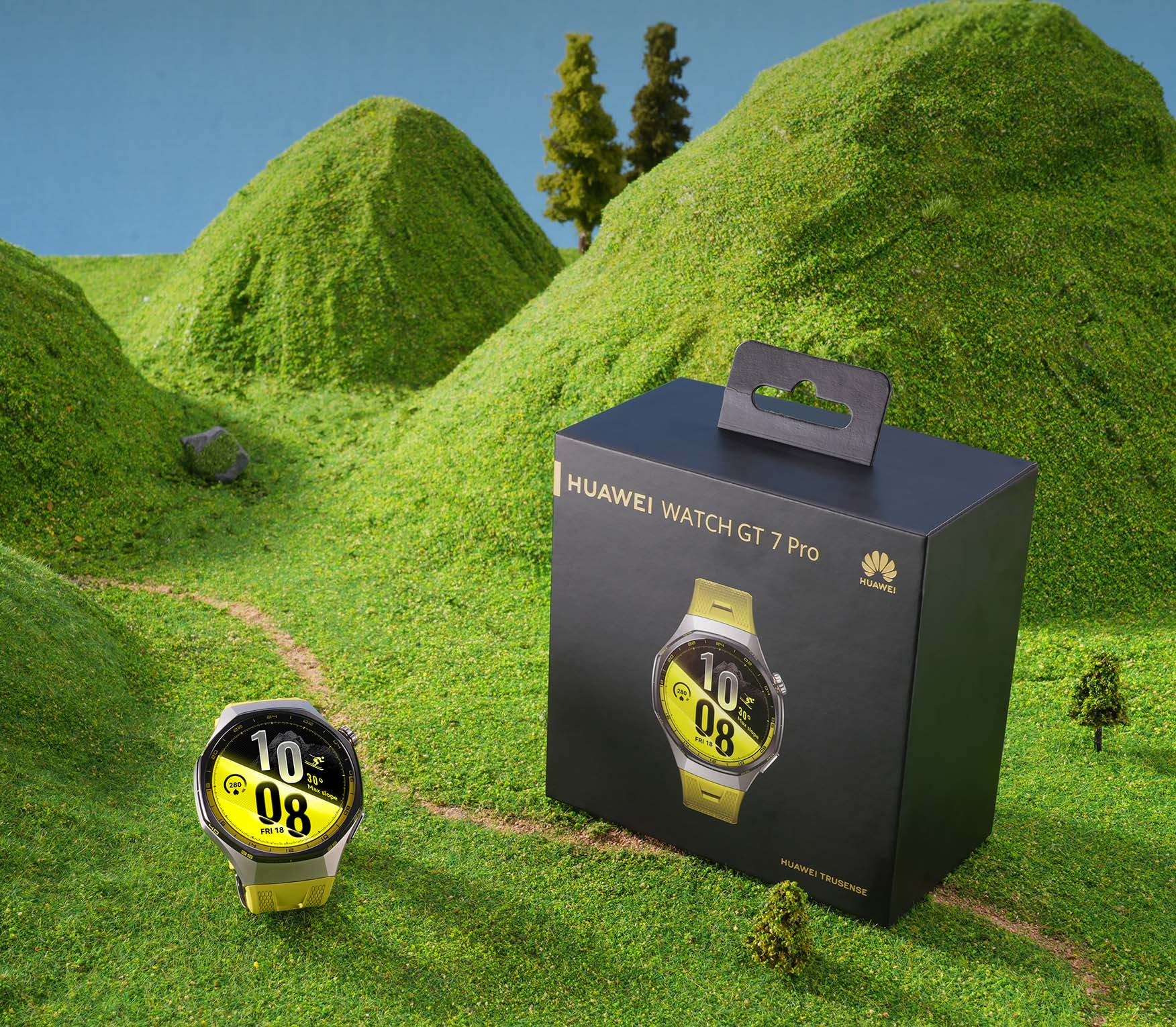
For decades, the standard for wearable battery life was measured in hours, or at best, a single day. This limitation forced athletes to tether themselves to portable power banks or risk losing critical telemetry during peak physical exertion. The current trajectory in the industry, exemplified by the latest iterations of pro-series smartwatches such as the Huawei Watch GT 7 Pro, indicates a fundamental shift in architecture. Engineers are no longer merely increasing the physical capacity of lithium-polymer batteries; they are implementing a tri-layered approach: advanced chipset efficiency, intelligent sensor duty-cycling, and aggressive background power management.
Data from the wearable tech sector suggests that the integration of low-power microcontrollers (MCUs) combined with specialized high-efficiency sensors has allowed devices to achieve significant endurance gains. By dynamically adjusting the polling rate of heart rate monitors, SpO2 sensors, and GNSS (Global Navigation Satellite System) modules based on the intensity of the user’s activity, these devices can preserve upwards of 40% more energy than models released just three years ago.
Chronology of Technological Integration in Outdoor Gear
The evolution of these devices can be traced back to the early 2010s, when GPS-enabled watches were bulky, power-hungry, and often required recharging after only four to six hours of active use. The following timeline highlights the rapid progression of this technology:
- 2012–2015: The "Experimental Phase." Early smartwatches struggled with screen technology, using high-drain backlit LCDs that severely impacted battery life.
- 2016–2019: The "Optimization Phase." The industry pivoted toward OLED and AMOLED displays, which allowed for individual pixel control. Manufacturers began integrating proprietary OS kernels that prioritized background task management.
- 2020–2023: The "Sensor Intelligence Phase." The introduction of AI-driven power management allowed watches to "learn" user patterns, disabling non-essential connectivity (such as NFC or background sync) when the device detects the user is in a high-intensity, remote environment.
- 2024–Present: The "Endurance Standard Phase." Current flagship devices are now designed to withstand multi-day expeditions, with battery profiles that support continuous GPS tracking for periods exceeding 48 to 72 hours, effectively changing the way planners organize remote expeditions.
Technical Analysis of Battery Efficiency
The secret to this newfound longevity lies in the symbiosis between hardware and software. Modern high-end smartwatches utilize a "Dual-Engine" architecture. In this setup, a high-performance processor handles heavy tasks like map rendering or third-party applications, while a secondary, ultra-low-power processor maintains essential functions like timekeeping, step counting, and basic health telemetry.
According to technical specifications released by leading manufacturers, the optimization of the GNSS antenna—a traditionally power-draining component—has been revolutionary. By utilizing multi-band, dual-frequency GPS that is managed by an algorithmic gatekeeper, the device can maintain sub-meter accuracy while consuming significantly less power than previous single-frequency receivers. This efficiency is critical for mountain guides and search-and-rescue personnel who rely on consistent location data without the ability to recharge mid-route.
The Economic and Practical Implications
The market impact of these advancements is profound. For the average consumer, the shift toward longer battery life means the total cost of ownership decreases; there is less need to invest in secondary ruggedized power banks or specialized external charging cables. More importantly, it removes a significant psychological burden. Research into human performance in endurance sports indicates that "cognitive load"—the mental energy spent worrying about equipment—can negatively impact physical output. By removing the need to monitor battery percentages, athletes can maintain a state of "flow," focusing entirely on the terrain and their biometric feedback.
Industry analysts observe that this trend has pushed manufacturers toward a "base camp" charging philosophy. Modern charging cradles are designed to be compact and efficient, capable of bringing a battery to 80% capacity within a standard rest period at a base camp. This integration into the natural rhythm of a multi-day trek has made the transition to high-tech gear seamless for the average user.
Perspectives from the Field
"The ability to rely on a device for 72 hours of continuous biometric tracking without compromising on the quality of the display or the accuracy of the GPS is a game-changer for alpine sports," says an industry consultant specializing in outdoor equipment. "When you are on a technical climb, you do not have the luxury of checking a battery icon. You need the device to be an extension of your own sensory input. The current generation of professional smartwatches has achieved this by effectively becoming invisible, only demanding attention when the user chooses to interact with it."

However, experts caution that despite these gains, users must still adhere to proper maintenance. Environmental factors, such as extreme cold, remain the primary adversary of lithium-ion technology. Even with advanced power management, the physical chemistry of the battery is susceptible to voltage drops in sub-zero temperatures. Manufacturers are now mitigating this by incorporating thermal insulation within the chassis, but the onus remains on the user to understand the limitations of their equipment.
Broader Impact on Future Exploration
Looking forward, the implications of these power-efficient wearables extend beyond sports. The data collected by these devices—ranging from sleep quality during high-altitude acclimation to oxygen saturation levels in oxygen-deprived environments—provides invaluable datasets for medical researchers studying human adaptation to extreme environments. As battery life continues to extend, the potential for long-term longitudinal studies in remote populations increases significantly.
The "Huawei Watch GT 7 Pro" and its competitors serve as a blueprint for the future of wearable computing. By focusing on the "invisible" aspects of technology—power efficiency, signal reliability, and ergonomic endurance—the industry is moving away from the era of constant connectivity toward an era of reliable, autonomous, and long-term utility.
Conclusion
The evolution of battery endurance in wearable devices is a testament to the maturation of the outdoor technology sector. By shifting the focus from adding more features to enhancing the reliability of existing ones, manufacturers have fundamentally altered the landscape for explorers and athletes alike. The modern smartwatch is no longer just a digital accessory; it is a critical piece of survival equipment, capable of sustaining itself through the most rigorous challenges the natural world has to offer. As technology continues to bridge the gap between human potential and environmental constraints, the importance of "staying powered" will remain the cornerstone of safe and efficient outdoor exploration. For the contemporary adventurer, the path ahead is now illuminated by devices that are as resilient as the spirit of the people who carry them.