Infinix Elevates Smart TV Market with QLED Technology and AI Enhancements, Broadening AIoT Ecosystem

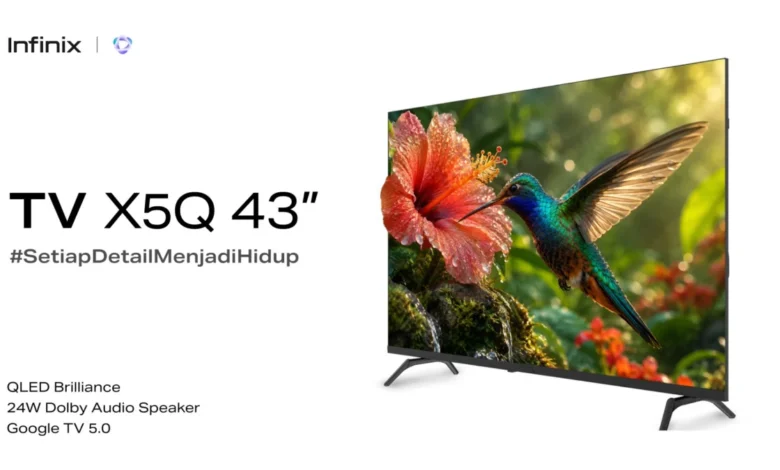
Infinix is making a significant stride in the Indonesian market by expanding its AIoT ecosystem with the introduction of the Infinix TV X5Q 43, a new QLED Smart TV priced from Rp3.39 million. This launch marks Infinix’s strategic re-entry into the Indonesian Smart TV arena after its last offering, a 43-inch frameless Smart TV, which was released in late 2025. The company’s renewed focus on smart televisions underscores its broader ambition to cultivate a comprehensive ecosystem of smart devices, extending beyond its established smartphone and laptop presence to encompass televisions, audio equipment, and mobile accessories.
This latest move is not an abrupt pivot but a continuation of Infinix’s long-term strategy to diversify its product portfolio and capture a larger share of the burgeoning smart home market in Indonesia. The company’s foray into smart televisions began in April 2024, with the introduction of its first smart TV, powered by the Google TV system. This initial launch signaled Infinix’s intent to leverage its brand recognition and manufacturing capabilities to offer integrated smart solutions. Subsequently, in November 2025, Infinix introduced a 43-inch frameless Smart TV at a competitive price point of approximately Rp2.5 million, targeting budget-conscious consumers seeking modern aesthetics and smart functionality. The current release of the TV X5Q 43 represents a deliberate upgrade, aiming to deliver substantial improvements in panel quality, device intelligence, and audio experience, thereby moving beyond a solely budget-focused strategy.
Advancements in Display and Performance: QLED Panel and AI-Powered HyperEngine
The Infinix TV X5Q 43 distinguishes itself from its predecessors through significant hardware and software enhancements. Unlike previous models that prioritized aggressive pricing, this new QLED Smart TV boasts a 43-inch Full HD display incorporating QLED technology, HDR10 support, and an IPS Panel. Infinix claims this advanced panel is capable of rendering over one billion colors, resulting in a richer visual experience with sharper contrast and more vibrant hues. The visual appeal is further enhanced by a premium, frameless metal bezel design, achieving an impressive screen-to-body ratio of 96 percent, which maximizes the viewing area and minimizes distractions.
A key innovation in the TV X5Q 43 is the integration of the AI-Powered HyperEngine. This intelligent engine is designed to automatically optimize both image and audio quality based on the specific content being displayed. This means that whether a user is watching a fast-paced action movie, a nature documentary, or playing a video game, the TV will dynamically adjust its settings to provide the best possible viewing and listening experience. This AI-driven approach aims to simplify user interaction by removing the need for manual adjustments, offering a more seamless and immersive entertainment experience.
In addition to these advanced features, the TV X5Q 43 incorporates several user-centric display technologies aimed at enhancing comfort and visual fidelity. The Super Bright feature, Eye Care Flicker Free technology, and multiple customizable color modes are designed to cater to diverse viewing preferences and scenarios. These modes can be tailored for activities such as watching movies, sports broadcasts, or engaging in gaming sessions, ensuring optimal clarity, reduced eye strain, and accurate color reproduction across various content types. This focus on user comfort and adaptability highlights Infinix’s commitment to providing a well-rounded viewing experience.
Enhanced Entertainment Hub: Google TV 5.0 and Immersive Dolby Audio
The user interface and content accessibility of the TV X5Q 43 are powered by Google TV 5.0, offering a gateway to a vast library of streaming applications. This platform allows users to seamlessly access popular streaming services directly from their television, providing a centralized hub for all entertainment needs. The operating system is also engineered to deliver more personalized content recommendations, learning user preferences over time to suggest relevant movies, shows, and other media.
Further enhancing the smart capabilities, the TV X5Q 43 includes built-in Google Assistant, enabling voice control for a more intuitive user experience. Users can control playback, search for content, adjust settings, and even manage other compatible smart home devices using simple voice commands. The inclusion of Chromecast built-in simplifies the process of casting content from smartphones, tablets, and laptops directly to the big screen, facilitating a more connected and collaborative entertainment environment.
The audio experience is equally sophisticated, featuring Dual Stereo Speakers with a combined output of 24W. These speakers are enhanced with Dolby Audio support and AI Sound technology. Infinix claims this combination delivers a more immersive audio landscape, dynamically adjusting the sound profile to match the nature of the content. Whether it’s the subtle nuances of dialogue, the thunderous impact of an explosion, or the melodic tones of a musical performance, the audio system is designed to provide clarity, depth, and impact, complementing the high-quality visuals. This integration of advanced audio processing further elevates the cinematic experience within the home.
Broadening the AIoT Horizon: Accompanying Smart Devices
The launch of the TV X5Q 43 is part of a broader strategy by Infinix to bolster its AIoT ecosystem, with several new complementary devices also introduced to the market. These new products are designed to work in synergy with Infinix’s smart televisions and other devices, offering a more integrated and convenient smart living experience.
Among the new additions are the XBUDS H5, wireless earbuds that boast Bluetooth 6.0 connectivity for enhanced stability and speed. These earbuds also feature Spatial 3D Audio for a more immersive listening experience, an impressive battery life of up to 30 hours, and ENC (Environmental Noise Cancellation) Noise Reduction technology to ensure clear audio during calls and music playback, even in noisy environments.
In the portable power category, Infinix unveiled the GTPOWER POD 10K, a 10,000 mAh power bank. This device supports 45W fast charging, significantly reducing the time required to recharge smartphones and other compatible devices. Its versatility is further highlighted by the inclusion of both USB-C and Lightning cables, catering to a wide range of user devices.
Complementing these devices are the XPOCKET FAN and XPOCKET FAN Pro, portable fans designed for outdoor use and personal cooling. The Pro variant offers extended battery life, lasting up to 14 hours on a single charge, making it a practical companion for users who spend time outdoors. The introduction of these accessories signifies Infinix’s commitment to providing a holistic smart device experience, where each product contributes to a connected and convenient lifestyle.
Pricing, Market Positioning, and Future Implications
The Infinix TV X5Q 43 is available for purchase online through the Infinix Official Store at a price of Rp3,399,000. For those preferring to buy from authorized retail partners, the price is set at Rp3,699,000. This pricing positions the TV X5Q 43 at a higher tier compared to the 43-inch Smart TV that Infinix launched in 2025. However, this price adjustment is directly correlated with the significant technological advancements incorporated into the new model. The inclusion of QLED panel technology, the AI-Powered HyperEngine, Google TV 5.0, and Dolby Audio support justifies the increased investment.
This strategic pricing and feature set suggest that Infinix is moving beyond its previous focus on ultra-budget smart TVs. The company appears to be aiming for a more mature segment of the market, offering premium features at a competitive price point that remains accessible to Indonesian consumers. This strategy could be a calculated move to capture market share from established brands by offering a compelling value proposition – high-end technology without an exorbitant price tag.
The broader implications of this launch are significant for the Indonesian consumer electronics market. Infinix’s aggressive expansion of its AIoT ecosystem, coupled with its focus on advanced display and audio technologies, signals a strong intent to compete across multiple product categories. The company’s ability to integrate these diverse devices into a cohesive ecosystem could foster greater brand loyalty and provide consumers with a more streamlined and convenient smart living experience. By offering feature-rich products at accessible price points, Infinix is likely to challenge existing market dynamics and potentially drive further innovation and price competition among its rivals. This sustained push into the smart home and entertainment sector indicates that Infinix is positioning itself as a serious contender in the evolving landscape of connected living.