SEMARANG – The recent breach involving the theft of approximately 1.2 million National Identity Numbers (NIKs) belonging to vulnerable residents in Central Java has prompted a stern warning from Imam Teguh Purnomo, Chairman of Commission A of the Central Java Provincial Regional People’s Representative Council (DPRD). Speaking on Thursday, July 16, 2026, Purnomo expressed profound concern and bewilderment over the incident, particularly given that the alleged perpetrator was identified as a mere mobile phone technician. This revelation, he asserted, underscores a critical and alarming vulnerability within the province’s digital security infrastructure, managed primarily by the Central Java Social Service (Dinsos). The incident has ignited a provincial-wide debate on the robustness of government data protection mechanisms and the pressing need for comprehensive cybersecurity reforms.
The Chairman’s statement highlighted the stark reality that if an individual with ostensibly limited access and technical resources, such as a mobile phone technician, could penetrate such a sensitive database, then more sophisticated actors or organized groups would face even fewer obstacles. "I find it baffling, honestly, that based on news reports, the perpetrator was just a mobile phone technician," Imam Purnomo stated, emphasizing the perceived ease with which the breach occurred. This perceived simplicity in compromising a vital government database, he argued, suggests a systemic weakness that could have far-reaching implications, not only for the Dinsos database but potentially for other provincial government entities housing critical citizen information. The incident has thus become a potent symbol of the broader cybersecurity challenges facing regional administrations across Indonesia, prompting calls for immediate and decisive action.
The Alarming Scale of the Breach and Vulnerability
The theft of 1.2 million NIKs represents a significant compromise of personal data for a substantial portion of Central Java’s population, specifically targeting those categorized as economically vulnerable. NIKs are unique identifiers crucial for all administrative and civil services in Indonesia, linking individuals to their birth certificates, family cards, social security, healthcare, and voting rights. For vulnerable populations, this data is even more critical as it often underpins their access to essential government aid and welfare programs. The fact that a "mobile phone technician" could exploit these vulnerabilities suggests a glaring lack of advanced security protocols, inadequate staff training, or potentially internal access mismanagement within the Dinsos system. Such an incident casts a long shadow over the efficacy of existing cybersecurity measures and raises serious questions about the overall preparedness of provincial agencies to safeguard sensitive citizen information against increasingly diverse and persistent threats.
The sheer volume of compromised data, involving over a million individuals, places a heavy burden of potential identity theft, fraud, and misuse on the affected residents. Their NIKs, once stolen, can be exploited for various illicit activities, including applying for online loans, registering for fraudulent services, or creating fake identities, all of which can lead to severe financial and legal repercussions for the unsuspecting victims. The breach therefore transcends a mere technical mishap; it becomes a direct threat to the financial stability and personal security of the most susceptible segments of society, those who rely most heavily on government services and whose data is most often processed for welfare distribution. This makes the incident not just a cybersecurity failure but a profound social welfare concern, demanding a multi-faceted response that addresses both technical vulnerabilities and victim support.
Context of National Identity Numbers (NIK) and Social Welfare Data
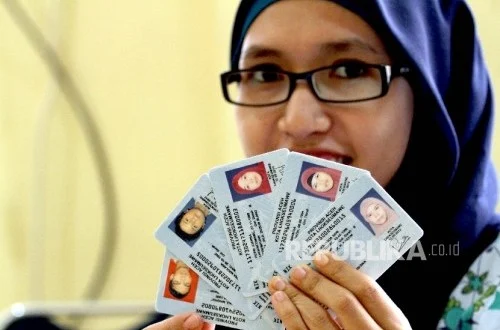
In Indonesia, the National Identity Number (NIK) is the cornerstone of individual identification. Issued by the Directorate General of Population and Civil Registration (Ditjen Dukcapil), the NIK is a 16-digit unique identifier embedded in every citizen’s e-KTP (electronic identity card). It serves as a universal reference for practically all interactions with government agencies, financial institutions, and even private service providers. From applying for a driver’s license to accessing healthcare, from opening a bank account to registering for social assistance, the NIK is indispensable. Its pervasive use makes its compromise particularly dangerous, as it can unlock a cascade of other personal and financial information.
The Central Java Social Service (Dinsos) is entrusted with collecting and managing data for a significant portion of the province’s population, particularly those identified as poor or vulnerable. This data is essential for the effective implementation of various social welfare programs, including cash transfers, food aid, healthcare subsidies, and educational support. The integrity and confidentiality of this data are paramount, not only to ensure that aid reaches the intended beneficiaries but also to protect these individuals from exploitation. The Dinsos database, therefore, contains highly sensitive information beyond just NIKs, likely including addresses, family details, income levels, and other personal identifiers that, in the wrong hands, could be devastatingly exploited. The breach thus represents a fundamental breakdown in the trust placed by citizens in their government to protect information vital to their well-being and basic rights.
A Familiar Pattern: Indonesia’s Persistent Cybersecurity Challenges
The breach in Central Java is not an isolated incident but rather fits into a worrying pattern of recurring data security failures within Indonesian government agencies and state-owned enterprises. Over the past few years, Indonesia has grappled with a series of high-profile data breaches that have eroded public trust and exposed systemic weaknesses in its digital infrastructure. Notable incidents include the 2021 breach of BPJS Kesehatan (the national health insurance agency), which saw the alleged leak of data belonging to over 279 million Indonesians, and the 2022 compromise of PLN (the state electricity company), affecting millions of customers. More recently, the data of voters managed by the General Election Commission (KPU) was also reportedly compromised, raising concerns about the integrity of democratic processes.
These incidents collectively paint a grim picture of Indonesia’s cybersecurity landscape, characterized by insufficient investment in robust security systems, a shortage of skilled cybersecurity professionals, and often, a reactive rather than proactive approach to threat mitigation. Each major breach serves as a stark reminder that while Indonesia rapidly digitizes its public services, the accompanying security frameworks often lag behind. The repeated nature of these attacks, often targeting critical citizen data, underscores the urgent need for a national cybersecurity strategy that goes beyond individual agency responses and fosters a unified, resilient defense against increasingly sophisticated cyber threats. The Central Java incident, while regional, is a microcosm of a larger national challenge that demands a coordinated and sustained effort from all levels of government.
Chronology of Events (Inferred and Reported)
While a precise, detailed official timeline of the Central Java NIK breach has not been fully disseminated, a plausible sequence of events can be inferred from public statements and typical breach scenarios:
- Undisclosed Period Prior to Discovery: The initial infiltration of the Central Java Dinsos database likely occurred over an unspecified period, possibly weeks or months, during which the perpetrator accessed and exfiltrated the 1.2 million NIKs. The method of entry, given the perpetrator’s profile, might have involved exploiting common vulnerabilities in unpatched software, weak access controls, or even social engineering.
- Discovery of the Breach: The breach was presumably detected either through internal audits, anomaly detection systems (if present), or potentially via external reports, such as when the stolen data appeared on dark web forums or was flagged by cybersecurity researchers. The exact date of discovery remains unconfirmed in public reports.
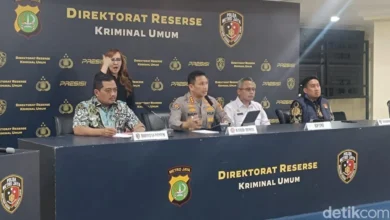
- Law Enforcement Involvement and Arrest: Following the discovery, law enforcement agencies, likely the regional police cybercrime unit, initiated an investigation. This led to the identification and arrest of the alleged perpetrator, a mobile phone technician. This arrest was a key detail highlighted by Chairman Imam Purnomo.
- Internal Investigation and Remedial Actions: Concurrent with the police investigation, the Central Java Dinsos and relevant provincial IT departments would have commenced an internal investigation to ascertain the scope of the breach, identify the compromised systems, and implement immediate remedial measures to patch vulnerabilities and secure remaining data.
- Public Disclosure and Official Statements: The incident likely became public knowledge through media reports following the arrest or official acknowledgment. It was in this context that Imam Teguh Purnomo made his critical statements on Thursday, July 16, 2026, expressing his concerns and calling for systemic changes. His remarks represent a significant public acknowledgment from a legislative oversight body.
- Ongoing Response and Policy Discussions: Subsequent to Purnomo’s statement, it is expected that discussions and policy formulation will intensify within the Central Java Provincial Government and DPRD to address the identified security gaps, allocate necessary resources, and develop a more robust provincial cybersecurity framework. This phase involves both technical remediation and strategic planning.
Official Responses and Immediate Actions
Following Chairman Imam Teguh Purnomo’s candid remarks, various stakeholders within the Central Java Provincial Government are expected to mobilize a concerted response to the breach. The legislative body, through Commission A, has already articulated a clear mandate for immediate action.
Central Java Provincial DPRD’s Stance: Imam Purnomo’s call for the "rejuvenation of hardware and software" is a direct directive for tangible investment in the province’s IT infrastructure. He stressed the necessity of creating a "more guaranteed digital security system," indicating that current provisions are insufficient. He also questioned the budget allocation for such maintenance, suggesting that funding might be a significant impediment to robust cybersecurity. "I’m not sure if there’s sufficient budget for maintaining such equipment. Perhaps there should be," he noted, signaling a legislative intent to scrutinize and potentially increase cybersecurity funding in future provincial budgets. Furthermore, his emphasis on enhanced coordination among all regional government organizations (OPDs) under the provincial government points to a need for a unified cybersecurity strategy rather than fragmented efforts.
Dinas Sosial’s Acknowledgment and Remedial Steps (Inferred): While specific details from Dinsos Central Java were not part of the initial report, it is highly probable that the agency has initiated an internal audit of its systems and data management protocols. Such a response would typically include securing the compromised servers, isolating affected data, reviewing access logs, and implementing stricter authentication measures. Dinsos would also be under pressure to notify the affected 1.2 million residents, providing guidance on how to mitigate risks of identity theft and offering support services, in line with the provisions of Indonesia’s Personal Data Protection Law (UU PDP). Their collaboration with law enforcement would also be crucial in the ongoing investigation and prosecution of the perpetrator.
Diskomdigi’s Role as Leading Sector: Imam Purnomo explicitly nominated the Central Java Provincial Communication, Informatics and Digital Service (Diskomdigi) as the "leading sector" for managing and coordinating digital security efforts across all provincial OPDs. This designation places a significant responsibility on Diskomdigi to develop a comprehensive, integrated cybersecurity framework. Their role would encompass establishing standardized security protocols, conducting regular security audits, providing cybersecurity training for government employees, implementing advanced threat detection systems, and fostering information sharing among agencies. "So, how do we ensure that applications are not penetrated, hacked, or breached by those who are experts?" Imam asked, directly challenging Diskomdigi to devise effective defenses against sophisticated attacks.
Law Enforcement’s Involvement: The arrest of the mobile phone technician signifies the active involvement of law enforcement in prosecuting cybercrimes. The investigation would delve into the technical aspects of the breach, the motivations behind it, and potential accomplices. The outcome of this legal process is crucial not only for justice but also for setting a precedent that deters future cyberattacks against government infrastructure.
The Imperative for Robust Digital Infrastructure and Budget Allocation
The Central Java data breach unequivocally underscores the critical need for substantial investment in robust digital infrastructure and a commensurate increase in budget allocation for cybersecurity. Imam Purnomo’s questioning of existing maintenance funds highlights a pervasive issue within many government entities: underfunding of IT infrastructure and security. Often, budgets prioritize new system development over the ongoing maintenance, upgrades, and security enhancements essential for protecting existing data.
Modern cybersecurity is not a one-time expense but a continuous process requiring dynamic adaptation to evolving threats. This necessitates investment in:
- Advanced Hardware and Software: Up-to-date firewalls, intrusion detection systems, encryption technologies, secure data storage solutions, and endpoint protection are foundational. Obsolete systems are inherently more vulnerable.
- Skilled Cybersecurity Personnel: Beyond basic IT staff, there is a critical need for dedicated cybersecurity experts capable of threat intelligence, incident response, penetration testing, and forensic analysis. This involves attracting, training, and retaining talent, which often requires competitive salaries and professional development opportunities.
- Regular Audits and Penetration Testing: Proactive measures, such as independent security audits and simulated cyberattacks (penetration testing), are essential to identify vulnerabilities before malicious actors exploit them.
- Employee Training and Awareness: Human error remains a leading cause of data breaches. Comprehensive and regular training for all government employees, especially those handling sensitive data, on best practices for data security, phishing recognition, and password hygiene is paramount.
- Incident Response Planning: A well-defined and regularly rehearsed incident response plan is crucial for minimizing damage, ensuring rapid recovery, and maintaining transparency in the event of a breach.
Without adequate financial commitment and strategic planning in these areas, provincial governments will remain susceptible to attacks, jeopardizing citizen data and eroding public trust. The Central Java incident serves as a costly lesson that neglecting cybersecurity is a false economy.
Legal Framework and Accountability: The Personal Data Protection Law (UU PDP)
The Central Java data breach directly falls under the purview of Indonesia’s Personal Data Protection Law (UU PDP), Law No. 27 of 2022, which came into full effect in October 2024. This comprehensive legislation provides a robust legal framework for the protection of personal data, outlining the rights of data subjects and the obligations of data controllers and processors. The law mandates that government agencies, as data controllers, must implement appropriate technical and organizational measures to ensure the security of personal data they collect, process, and store.
Under the UU PDP, a data breach involving personal information like NIKs carries significant implications for the Central Java Dinsos and potentially other implicated provincial entities. Key provisions include:
- Obligation to Notify: Data controllers are legally obligated to notify data subjects and the Personal Data Protection Authority (if established) of any data breach without undue delay, typically within 72 hours, if the breach poses a high risk to the rights and freedoms of individuals.
- Administrative Sanctions: Non-compliance with data protection obligations, including inadequate security measures, can result in administrative sanctions, ranging from written warnings and temporary suspension of data processing activities to substantial administrative fines (up to 2% of annual revenue for corporations, and potentially equivalent penalties for public bodies).
- Criminal Liabilities: The law also outlines criminal penalties for individuals involved in unlawful data processing, including unauthorized access, theft, or alteration of personal data, which would be applicable to the arrested mobile phone technician.
- Data Subject Rights: Victims of the breach have rights, including the right to information about the breach, the right to request deletion or correction of their data, and potentially the right to compensation for damages suffered due to data misuse.
The Central Java case will serve as an important test case for the enforcement and effectiveness of the UU PDP, particularly concerning government agencies. It underscores the enhanced accountability that public bodies now face in safeguarding citizen data, moving beyond mere administrative directives to legally binding obligations with tangible consequences for non-compliance.
Broader Implications for Citizens and Governance
The Central Java NIK data breach carries profound broader implications that extend far beyond the immediate technical fix, impacting public trust, governance efficacy, and the future of digital public services.
Erosion of Public Trust: Each data breach, particularly one affecting vulnerable populations, chips away at the fundamental trust citizens place in their government. When sensitive information, entrusted to state agencies for welfare and administrative purposes, is compromised, it generates cynicism and reluctance among citizens to engage with digital government platforms. This erosion of trust can hinder the adoption of vital e-government initiatives and complicate efforts to deliver efficient public services.
Risks to Vulnerable Populations: The targeting of NIKs belonging to "poor residents" is especially concerning. These individuals often have limited financial literacy and fewer resources to recover from the consequences of identity theft or financial fraud. The stolen NIKs can be used to open fraudulent accounts, apply for illicit loans, or even create fake identities, potentially leading to significant financial hardship, legal entanglements, and exclusion from the very welfare programs they depend on. This disproportionate impact on the most vulnerable highlights the ethical dimension of data security failures.
Call for Inter-Agency Synergy: Imam Purnomo’s insistence on Diskomdigi as the "leading sector" for cybersecurity underscores the fragmented nature of current government IT security efforts. Many OPDs operate with siloed IT departments and varying levels of security expertise. A unified, coordinated approach, where best practices are shared, centralized security intelligence is developed, and joint incident response protocols are established, is critical. This synergy would create a more robust defense against sophisticated threats that often target the weakest link in a complex network of government systems.
National Cybersecurity Strategy: The Central Java incident, alongside previous national breaches, necessitates a re-evaluation and strengthening of Indonesia’s national cybersecurity strategy. This involves not only legislative frameworks like the UU PDP but also the operational capabilities of agencies like the National Cyber and Crypto Agency (BSSN). A cohesive national strategy must include continuous threat intelligence sharing, capacity building across all government levels, and collaboration with private sector cybersecurity experts to form a resilient national digital defense. The incident serves as a stark reminder that local vulnerabilities can have national repercussions.
Looking Ahead: A Path Towards Enhanced Digital Security
The Central Java NIK data breach serves as a critical inflection point, demanding a strategic pivot towards a more proactive and resilient digital security posture for provincial governments across Indonesia. Moving forward, a multi-pronged approach is essential to prevent future compromises and restore public confidence.
Firstly, there must be an unwavering commitment to continuous investment in cybersecurity. This extends beyond hardware and software upgrades to include sustained funding for skilled personnel, regular training programs, and the adoption of cutting-edge security technologies like AI-driven threat detection and robust encryption. Budgets must reflect the reality that cybersecurity is an ongoing operational cost, not a one-off expenditure.
Secondly, inter-agency collaboration and standardization are paramount. Diskomdigi’s role as a leading sector must be empowered with the authority and resources to enforce uniform security policies, conduct regular audits across all OPDs, and foster a culture of shared responsibility for data protection. This includes developing a centralized incident response team capable of rapid deployment and coordinated action in the event of a breach.
Thirdly, public awareness and transparency are crucial. The government must proactively educate citizens about data security risks, provide clear guidance on protecting their personal information, and establish transparent channels for reporting suspected breaches and seeking assistance. When breaches do occur, prompt and honest communication with affected individuals, in compliance with the UU PDP, is vital for maintaining trust.
Finally, the focus must shift from a reactive stance, where actions are only taken after a breach, to a proactive, threat-centric approach. This involves constant monitoring of global cyber threats, subscribing to threat intelligence feeds, conducting regular vulnerability assessments, and simulating attacks to identify weaknesses before they are exploited. By anticipating threats and continuously adapting defenses, provincial governments can build a more secure digital environment for their citizens, ensuring that the promise of digital transformation is delivered without compromising the privacy and security of its people. The incident in Central Java is a stark reminder that in the digital age, data security is not merely an IT concern, but a fundamental pillar of good governance and social welfare.