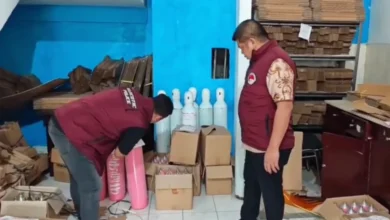

Jakarta – Indonesian law enforcement has successfully dismantled a clandestine home industry operation manufacturing the potent sedative Etomidate in the upscale residential area of Pantai Indah Kapuk (PIK), North Jakarta. The significant raid led to the arrest of a 34-year-old Singaporean national, identified by his initials LHM, who is believed to be the primary chemist responsible for concocting the illicit substance. This bust represents a critical blow to an emerging trend of sophisticated drug production within seemingly secure urban environments, highlighting the persistent challenges faced by authorities in combating the evolving landscape of narcotics trafficking.
The joint operation, a testament to inter-agency cooperation, was spearheaded by the Soekarno-Hatta Airport Resort Police (Polresta Bandara Soekarno-Hatta) and the Soekarno-Hatta Customs and Excise Office. The raid, which occurred in mid-July, specifically on Saturday, July 18, 2026, resulted in the seizure of thousands of ready-to-distribute vape pod cartridges filled with the illicit Etomidate solution. Accompanying the finished products were an array of sophisticated manufacturing equipment, meticulously arranged to resemble a compact, professional mini-laboratory. The suspect, LHM, was described by authorities as the "cook" of the operation, responsible for the chemical synthesis and formulation of the drug.
"For now, we have secured one foreign national, from Singapore, along with thousands of units of evidence," stated Kombes Wisnu Wardana, Chief of Soekarno-Hatta Airport Resort Police, on the day of the raid. The initial discovery that triggered this extensive investigation was the interception of a suspicious package by vigilant customs officers at Soekarno-Hatta Airport. The package, originating from Malaysia, contained two bottles of liquid Etomidate raw material, weighing a substantial 2,200 grams. This critical interception provided the initial lead, prompting a swift and coordinated follow-up investigation that ultimately pinpointed the clandestine production facility within the affluent confines of PIK.
The Anatomy of the Bust: A Detailed Chronology
The success of this operation underscores the crucial role of robust border security and intelligent data analysis in disrupting transnational criminal networks. The timeline of events leading to the bust reveals a calculated and methodical approach by Indonesian authorities:
- Initial Interception (Early July 2026): Customs officers at Soekarno-Hatta International Airport flagged a package arriving from Malaysia. The package, declared with innocuous contents, aroused suspicion due to its weight, sender details, and origin. Advanced screening technologies, combined with experienced human intelligence, revealed the true nature of its contents: two bottles containing 2.2 kg of liquid Etomidate raw material. This initial discovery was pivotal, as Etomidate is a controlled substance with no legitimate import channels for personal use.
- Forensic Analysis and Intelligence Gathering: Following the interception, the liquid substance underwent immediate forensic testing, confirming it to be Etomidate. Simultaneously, customs and police intelligence units began tracing the package’s intended recipient and associated logistical trails. This phase involved meticulous data analysis, cross-referencing shipping manifests, and scrutinizing communication records.
- Undercover Surveillance and Development (Mid-July 2026): Based on the intelligence gathered, investigators identified a specific residential address in Pantai Indah Kapuk as the likely destination for the illicit raw materials. Recognizing the potential for a larger operation, law enforcement initiated discreet surveillance on the premises. This period of observation was critical in confirming suspicious activities indicative of a manufacturing operation rather than mere storage or consumption. Investigators noted unusual patterns of deliveries, the presence of specific equipment, and the movements of individuals, including the suspect LHM.
- The Raid (Thursday, July 16, 2026, leading to Saturday, July 18, 2026 announcement): After gathering sufficient evidence and confirming the operational nature of the lab, a joint task force executed a raid on the PIK residence. The element of surprise was crucial, ensuring the capture of the suspect and the integrity of the crime scene. Inside the seemingly ordinary house, officers discovered a fully operational mini-laboratory. This included chemical apparatus, mixing equipment, heating elements, and thousands of empty vape cartridges, alongside the newly filled ones.
- Arrest and Initial Findings: LHM was apprehended on site. Investigators confirmed that the illegal home industry had only recently become fully operational, with the suspect commencing the process of filling vape cartridges on Thursday, July 16. Preliminary calculations by the police suggest that the 2.2 liters of Etomidate raw material could yield approximately 2,000 units of ready-to-distribute vape pods. This indicates a significant potential for widespread distribution had the operation not been interdicted.
- Ongoing Investigation: Post-raid, LHM was taken into custody for intensive interrogation. The house itself was immediately sealed with police lines, preserving it as a crime scene for further forensic examination. Authorities are now focused on uncovering the full extent of this international network, including how long it had been operating, the supply chain for raw materials, the distribution network for the finished product, and potential accomplices both domestically and abroad.
Etomidate: A Dangerous Anesthetic Turned Illicit Drug
Etomidate is a powerful short-acting intravenous anesthetic agent primarily used for the induction of general anesthesia and for sedation in critical care settings. It works by enhancing the effects of gamma-aminobutyric acid (GABA), a neurotransmitter that inhibits brain activity, leading to rapid loss of consciousness. Its legitimate use is strictly controlled and administered by trained medical professionals in hospital environments due to its potent effects and narrow therapeutic index.
However, like many powerful sedatives, Etomidate has unfortunately found its way into illicit drug markets. Users seek its dissociative and euphoric effects, often described as a sense of detachment, relaxation, and even vivid hallucinations. The dangers of misusing Etomidate are profound. Illicitly produced Etomidate, as found in the PIK lab, carries inherent risks:
- Unknown Purity and Contaminants: Without proper pharmaceutical manufacturing standards, the purity of the drug is highly questionable. It could contain impurities from the synthesis process or be cut with other unknown substances, significantly increasing health risks.
- Dosage Inaccuracy: Street-level Etomidate, especially when packaged in vape cartridges, offers no precise dosage control. Overdosing is a significant concern, leading to severe respiratory depression, cardiovascular collapse, and potentially death.
- Health Complications: Beyond acute overdose, chronic misuse can lead to severe physiological and psychological dependence, adrenal suppression (a known side effect even in controlled medical settings), and long-term organ damage.
- Delivery Method Risks: Using vape cartridges for drug delivery bypasses the typical routes of administration, making it appealing to users who might perceive vaping as less harmful. However, inhaling powerful anesthetics can cause immediate and severe respiratory distress, lung damage, and rapid systemic absorption leading to quicker onset of adverse effects.
The emergence of Etomidate in vape pods signifies a dangerous evolution in drug delivery methods, targeting younger demographics familiar with vaping culture. This trend poses a severe public health threat, as users may be unaware of the extreme potency and risks associated with inhaling such a powerful anesthetic.
The Rise of Clandestine Labs in Affluent Neighbourhoods
The choice of Pantai Indah Kapuk (PIK) for establishing a clandestine drug laboratory is both strategic and alarming. PIK is renowned as an exclusive, well-planned residential and commercial area, characterized by luxury homes, gated communities, and a high level of security. Drug syndicates often seek out such locations for several reasons:
- Anonymity and Blending In: Large, often unoccupied or semi-occupied luxury homes can serve as ideal fronts, attracting less suspicion than industrial zones or lower-income areas. The sheer number of properties and the transient nature of some residents can provide cover.
- Infrastructure: Affluent areas typically have reliable utilities, including electricity and water, essential for running a chemical lab.
- Logistics: Good road access in such areas facilitates the discreet transportation of raw materials and finished products.
- Perceived Security: Gated communities, while designed to keep outsiders out, can sometimes create a false sense of security for residents, making them less vigilant about suspicious internal activities.
The discovery of a mini-lab in PIK underscores a growing challenge for law enforcement: the increasing decentralization and sophistication of drug production, moving away from large-scale factories to smaller, more discreet operations embedded within residential communities. This shift makes detection more difficult, requiring enhanced intelligence gathering and community vigilance.
The Modus Operandi: Vape Cartridges as a Delivery System
The use of vape cartridges as a delivery system for illicit Etomidate is a significant and concerning development. Vaping has gained immense popularity globally, particularly among youth, due to its perceived "safer" alternative to traditional cigarettes and the wide array of flavors available. However, this technology has been increasingly co-opted by drug traffickers for several reasons:
- Discreet Consumption: Vaping can be done inconspicuously, mimicking legitimate e-cigarette use, making it harder for authorities or guardians to detect drug abuse.
- Ease of Concealment: Vape devices and cartridges are small and easily hidden.
- Targeting Youth: The familiarity and popularity of vaping among younger demographics make it an effective way to introduce new, dangerous substances to a vulnerable population.
- Rapid Onset of Effects: Inhaling substances through vaping allows for rapid absorption into the bloodstream via the lungs, leading to a quick onset of psychoactive effects, which can be appealing to users but also increases the risk of overdose.
This trend highlights the adaptability of drug syndicates in exploiting new technologies and cultural trends to expand their reach and evade detection. It necessitates urgent public awareness campaigns regarding the dangers of illicit vape products and robust monitoring by health and law enforcement agencies.
Interagency Collaboration: A Force Multiplier Against Drug Crime
The success of the PIK operation is a direct result of effective interagency collaboration between the Soekarno-Hatta Airport Resort Police and the Soekarno-Hatta Customs and Excise Office. This partnership is critical in combating transnational drug crime, which often involves complex logistics spanning multiple jurisdictions and modes of transport.
- Customs as the First Line of Defense: Customs officers at international gateways like Soekarno-Hatta Airport play a vital role in intercepting illicit substances at the border. Their expertise in risk profiling, cargo inspection, and using advanced detection technologies (like X-ray scanners and K9 units) is indispensable.
- Police as the Investigative and Enforcement Arm: Once a suspicious package is identified, the police take over the investigative lead, utilizing their intelligence networks, surveillance capabilities, and enforcement powers to track down perpetrators and dismantle operations.
- Information Sharing: Seamless communication and intelligence sharing between these agencies ensure that leads are not lost and investigations can proceed rapidly and efficiently. This integrated approach creates a formidable deterrent against drug traffickers attempting to exploit Indonesia’s borders.
Official Statements and Ongoing Investigations
Kombes Wisnu Wardana reiterated the commitment of the police to relentlessly pursue drug criminals, emphasizing that the investigation into the PIK home industry is far from over. "We are still conducting further developments in the field. More detailed and comprehensive information will be conveyed in a press conference in the near future," he stated, indicating that authorities anticipate uncovering a broader network. The focus of the ongoing investigation includes:
- Identifying the Network: Determining the roles of other individuals involved, both locally and internationally, including suppliers of raw materials, distributors of the finished product, and financiers of the operation.
- Tracing Distribution Channels: Ascertaining where the illicit Etomidate vape cartridges were intended to be sold and if any had already made it into circulation.
- Determining Operational Duration: Establishing how long the home industry had been active and the total volume of drugs produced.
- Forensic Deep Dive: A thorough forensic examination of the seized equipment and chemicals to gather additional evidence and understand the full scope of the manufacturing process.
Statements from customs officials, while not directly quoted in the provided text, would logically emphasize their vigilance and the importance of their role in protecting national borders from dangerous substances. Health authorities, too, are likely to issue warnings about the extreme dangers of illicit Etomidate and other unregulated vape products. Community leaders in PIK would express concern and likely call for increased vigilance and cooperation with law enforcement to prevent similar incidents.
Broader Implications: Public Health, Law Enforcement, and International Networks
The dismantling of the Etomidate home industry in PIK carries significant broader implications:
- Public Health Crisis Averted: The seizure of thousands of cartridges and the raw materials prevented a substantial quantity of a highly dangerous substance from reaching the public, potentially saving countless lives from overdose and long-term health complications.
- Evolving Law Enforcement Challenges: This case highlights the need for law enforcement agencies to continuously adapt their strategies to counter new drug forms (like Etomidate in vapes) and innovative production methods (clandestine home industries). Training, technology, and intelligence gathering must evolve to stay ahead of criminal enterprises.
- Transnational Drug Crime: The involvement of a Singaporean national and raw materials from Malaysia underscores the transnational nature of drug trafficking. It necessitates continued and enhanced international cooperation, intelligence sharing, and joint operations between countries in Southeast Asia and beyond to disrupt these complex networks.
- Economic Impact of Illicit Trade: The lucrative nature of drug manufacturing and trafficking fuels organized crime, destabilizes economies, and diverts resources that could be used for legitimate development.
- Community Vigilance: The incident serves as a stark reminder to residents in affluent areas that no community is immune to the reach of drug syndicates. Increased public awareness and willingness to report suspicious activities are crucial for community safety.
Indonesia’s Stance on Drug Trafficking
Indonesia maintains some of the strictest anti-drug laws in the world, with severe penalties, including lengthy prison sentences and even the death penalty, for drug traffickers and manufacturers. The government has repeatedly declared a "drug emergency," emphasizing its unwavering commitment to eradicating drug abuse and trafficking within its borders. This resolute stance serves as a deterrent, yet as evidenced by the PIK bust, criminal elements continue to seek opportunities within the vast archipelago.
The successful operation in PIK demonstrates the ongoing vigilance and proactive efforts of Indonesian authorities to combat the persistent threat of narcotics. As the investigation unfolds, it is hoped that more details will emerge, leading to the apprehension of other individuals involved and the complete dismantling of this dangerous international drug network, thereby further safeguarding public health and national security. The sealed mansion in PIK now stands as a stark symbol of the battle against illicit drugs being waged in Indonesia’s most unexpected corners.