Apple Officially Unveils the Revolutionary Next-Generation iPad mini Featuring an 8.5-Inch OLED Display and the Cutting-Edge 2nm A20 Pro SoC

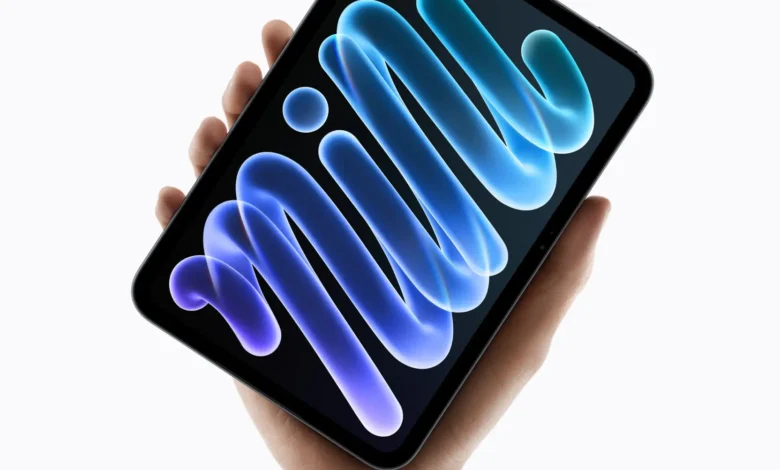
Apple Inc. has officially announced the launch of its heavily anticipated next-generation iPad mini, marking what industry analysts are calling the most substantial upgrade in the compact tablet’s history. Debuting on October 26, 2026, the newly redesigned device bridges the gap between ultra-portability and heavy-duty workstation performance. Incorporating groundbreaking hardware advancements—including a transition to advanced Super Retina XDR OLED technology, the industry-first 2-nanometer A20 Pro system-on-chip (SoC), and enhanced durability features—Apple aims to redefine consumer expectations for smaller form-factor computing devices.

A Comprehensive Overview of Hardware Redesign and Display Evolution
The most immediate and striking physical update to the new iPad mini lies in its display assembly. Apple has successfully expanded the screen real estate to 8.5 inches while preserving the overall pocket-friendly footprint that consumers have favored for years. This engineering feat was achieved by trimming the surrounding bezels by 24 percent, yielding a more immersive viewing experience without inflating the chassis dimensions.
The newly integrated Super Retina XDR OLED panel represents a massive leap forward from the LCD screens of previous iterations. It delivers a remarkable peak brightness of 1,200 nits, ensuring exceptional outdoor readability under direct sunlight, paired with a staggering 2,000,000:1 contrast ratio for true blacks and vibrant color reproduction. Furthermore, Apple is offering an optional nano-texture glass variant—a feature previously reserved for high-end professional displays—designed to scatter ambient light and drastically reduce glare for users working in brightly lit environments.

Despite the inclusion of more sophisticated display hardware and robust internal architecture, the device has actually shed thickness, measuring a razor-thin 5.4 mm. In a first for the mini lineup, Apple has incorporated IP67 water and dust resistance. This certification guarantees that the tablet can withstand accidental dust intrusion and survive submersion in fresh water up to a depth of one meter for a duration of up to 30 minutes under controlled laboratory testing conditions.
Next-Generation Processing Power: The 2nm A20 Pro SoC and AI Integration
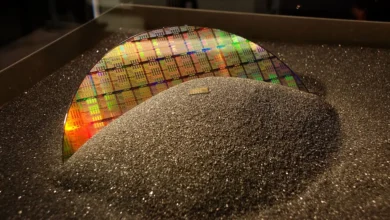
Beneath the sleek exterior, the iPad mini houses the revolutionary A20 Pro SoC, manufactured using an ultra-advanced 2-nanometer process node. This architectural breakthrough allows Apple to pack an unprecedented number of transistors into a minute silicon footprint, translating to profound efficiency and computational gains. According to official performance metrics released by Apple, the multi-threaded CPU performance experiences a staggering 60 percent boost, while graphical rendering capabilities soar up to 2.7 times faster than its predecessor, the A17 Pro-powered model.

Machine learning and artificial intelligence workloads have also been prioritized in the A20 Pro architecture. The device features dedicated Neural Accelerators embedded within every single GPU core, empowering the tablet to achieve a 4.5-fold increase in AI processing efficiency. For power users opting for the top-tier 512GB storage configuration, Apple has included a robust Dual 16-core Neural Engine. This specialized hardware is specifically engineered to shoulder intensive localized processing tasks demanded by advanced creative applications and heavy multimodal generative AI workflows.
Acoustic Enhancements and Professional-Grade Optics
Audio performance on the 2026 iPad mini has been entirely re-engineered through the introduction of an innovative Acoustic Display system. Abandoning traditional stereo speaker placements, this system integrates localized woofers directly behind the OLED panel alongside specialized tweeters positioned precisely between the display glass and the aluminum frame. The result is a richer, more resonant soundstage featuring deeper bass frequencies and crystal-clear high notes, significantly elevating media consumption and casual gaming experiences.

The camera system has likewise received thoughtful ergonomic and optical upgrades. The front-facing 12-megapixel ultra-wide camera has been relocated to the landscape edge of the tablet, optimizing the visual angle for video conference calls and virtual meetings. It continues to fully support Apple’s Center Stage feature, which dynamically adjusts the frame to keep users centered as they move. On the rear, a matching 12-megapixel camera is bolstered by Smart HDR 4 processing, 4K video recording capabilities up to 60 frames per second, and an Adaptive True Tone Flash that significantly improves document scanning clarity and low-light photography.
Advanced Connectivity Protocols and Ecosystem Integration
To match its high-performance internals, the new iPad mini embraces cutting-edge wireless standards. It adopts Apple’s proprietary N1 wireless chip, bringing native support for Wi-Fi 7, Bluetooth 6, and Thread networking protocols. Cellular-enabled variants upgrade to the newly developed C2 modem, which delivers up to a 50 percent increase in data transfer speeds over cellular networks while drastically improving power efficiency and maintaining full eSIM compatibility.

Running on iPadOS 27, the tablet serves as a prime vehicle for Apple Intelligence and an upgraded, context-aware Siri. The software suite provides deep personal context understanding, on-screen content awareness, sophisticated AI-driven photo editing tools, and the creative Image Playground suite. Additionally, with the subsequent rollout of iPadOS 27.2, users gain the extended capability to utilize external monitors as secondary desktop displays, transforming the compact tablet into a versatile workstation.
Pricing Structure, Configuration Options, and Market Rollout
Apple is positioning the new iPad mini in three distinct storage tiers: 128GB, 256GB, and 512GB, offered in sophisticated Midnight and Starlight colorways. The device maintains backward and forward compatibility with professional accessories, offering full support for the Apple Pencil Pro, Apple Pencil (USB-C), and a newly designed Smart Folio case.

Consumer pricing in the United States begins at $699 for the baseline Wi-Fi-only model, while the Wi-Fi + Cellular configuration starts at $849. Global launch schedules indicate that consumer pre-orders will commence on October 28, 2026, with official in-store availability and initial customer shipments slated for November 6, 2026. Regional pricing and availability dates for international markets, including Indonesia, are expected to be announced by local authorized distributors in the near future. Industry watchers anticipate that this release will aggressively stimulate the high-end compact tablet market, compelling competitors to accelerate their own developments in OLED integration and ultra-dense mobile computing silicon.