Samsung Galaxy Tab S12 Series Redefines Mobile Productivity and Creative Versatility for Professionals and Students

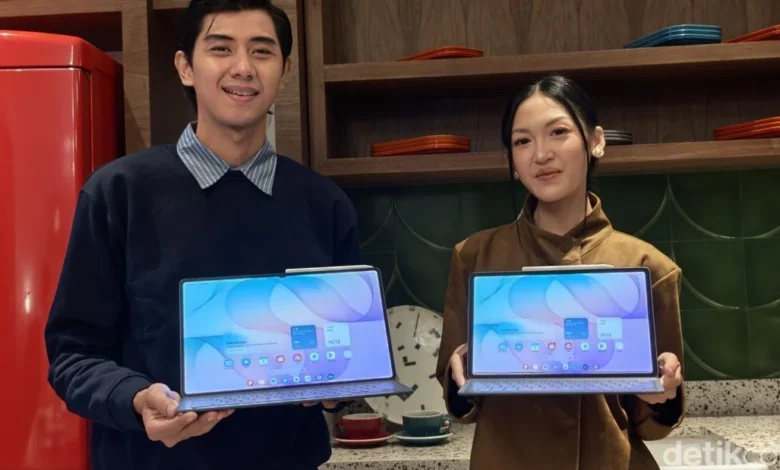
The landscape of mobile computing has undergone a significant transformation with the official launch of the Samsung Galaxy Tab S12 Series, a suite of premium tablets designed to bridge the gap between portable convenience and workstation-level performance. Available in two distinct iterations—the Galaxy Tab S12+ and the expansive Galaxy Tab S12 Ultra—these devices represent a strategic pivot for Samsung in the competitive high-end tablet market. By integrating the robust MediaTek Dimensity 9500 chipset with sophisticated AI-driven software, Samsung is positioning this series as an essential tool for a diverse demographic, ranging from corporate executives and creative professionals to academic researchers and field engineers.
The global rollout, which reached the Indonesian market on October 7, 2026, signals Samsung’s commitment to fostering a "work-from-anywhere" ecosystem. The hardware specifications, characterized by the inclusion of 12GB of RAM and the signature Dynamic AMOLED 2X 120Hz display technology, indicate a focus on high-fidelity performance. As professional workflows become increasingly reliant on cloud integration and AI-assisted task management, the Galaxy Tab S12 Series arrives as a direct response to the demand for hardware that can keep pace with complex, multi-layered digital environments.
Chronology and Market Entry
The development of the Galaxy Tab S12 Series followed a rigorous R&D phase focused on optimizing the synergy between hardware endurance and software utility. Following industry-wide anticipation, Samsung formally unveiled the devices during a global virtual showcase in late September 2026. The series was designed to supersede the S11 line, introducing significant improvements in thermal management and battery efficiency.
In Indonesia, the official launch on October 7, 2026, marked the beginning of a month-long promotional campaign. The strategy involved not only the hardware release but also a bundle of digital service partnerships. By including six months of Google AI Pro access and exclusive creative software suites, Samsung is attempting to secure long-term user engagement within its ecosystem. Industry analysts suggest that this "ecosystem-first" approach is a calculated move to retain power users who might otherwise gravitate toward laptop-only workflows.
Technical Specifications and Hardware Analysis
At the heart of the Galaxy Tab S12 Ultra lies the 14.6-inch display, which serves as the centerpiece for the device’s multitasking capabilities. The choice of the MediaTek Dimensity 9500 processor is notable, as it offers a balance of power efficiency and high-speed data processing, essential for the demanding multi-window environments supported by Samsung DeX.
The hardware architecture includes:
- Display: Dynamic AMOLED 2X technology with a 120Hz refresh rate, ensuring fluid navigation and high color accuracy, which is critical for creative professionals.
- Battery Management: The Ultra model features an 11,600 mAh battery, while the S12+ utilizes a 10,600 mAh unit. Internal testing indicates a longevity of 23 and 21 hours respectively, which exceeds the standard requirements for a typical professional workday.
- Durability: Both models feature an IP68 certification, providing protection against dust and water ingress. This is a critical feature for field workers, architects, and surveyors who operate in environments where traditional mobile computing devices might fail.
Diverse Professional Applications
The utility of the Galaxy Tab S12 series is broad, addressing specific pain points in various sectors.
Corporate Efficiency and Office Management
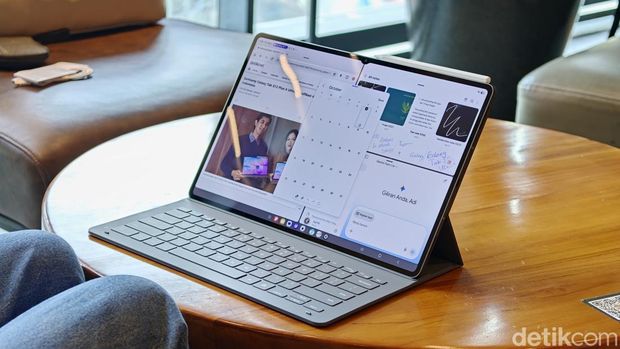
For the modern office worker, the tablet serves as a seamless extension of the traditional desktop. With the Book Cover Keyboard Slim, the tablet transforms into a portable terminal. Samsung DeX enhances this experience by allowing users to manage up to four workspaces simultaneously. In high-pressure environments, such as during board meetings, the ability to project, edit, and collaborate in real-time via the S Pen and cloud-synced documents provides a significant advantage over standard mobile devices.
Academic and Research Advancements
The academic sector remains a key demographic for Samsung. The integration of Note Assist, powered by Galaxy AI, allows students to condense hours of lectures into actionable summaries. The inclusion of MyScript Math and the ability to annotate PDF research papers directly with the S Pen streamline the transition from physical notebooks to digital archives. This functionality is particularly vital for STEM students who require precise input for complex equations and schematic drawings.

Creative Industry Standards
Perhaps the most significant development in the S12 series is the native integration of Adobe Photoshop, a move that marks the first time such a feature has been fully optimized for an Android tablet environment. By providing four months of premium access to Adobe’s AI-generative tools—Firefly—Samsung is targeting the professional creative market. Coupled with the precision of the S Pen, these tools allow for high-level image manipulation that was previously the exclusive domain of desktop workstations.
Field Engineering and Architecture
Architects and site supervisors benefit from the tablet’s combination of portability and robust software support. The ArcSite application allows for the conversion of freehand sketches into CAD-ready files. The ability to overlay site plans onto real-world images and annotate them on-site, backed by the device’s IP68 protection, ensures that expensive hardware remains safe in dusty or outdoor construction environments.
The Role of Galaxy AI and Ecosystem Integration
The "Galaxy AI" brand, which permeates the S12 experience, is not merely a marketing term but a functional shift in how users interact with their data. The AI-driven predictive text, smart formatting in notes, and image generation capabilities represent a shift toward "ambient computing." Instead of the user having to manage every aspect of the device’s settings or data organization, the software anticipates the user’s needs, such as automatically suggesting relevant apps when the DeX interface is activated or summarizing long email threads during meetings.
Official Stance and Market Impact
While Samsung has not released specific sales figures for the opening weeks, retail reports indicate high demand for the Ultra model, particularly among high-net-worth professionals and creative agencies. A spokesperson for Samsung Electronics indicated that the development of the S12 series was driven by the "changing nature of the professional identity," where the distinction between "office," "field," and "home" has blurred significantly.
Market analysts note that the pricing strategy for the S12 series—positioned at the high end of the tablet market—is designed to compete directly with high-performance ultra-thin laptops. By offering trade-in programs and bundle promotions until October 31, 2026, Samsung is incentivizing early adoption and attempting to lock users into the Galaxy ecosystem before the end of the fiscal year.
Broader Implications for Mobile Computing
The release of the Galaxy Tab S12 Series suggests a long-term trend toward the "tablet-as-primary-device" paradigm. As the processing power of mobile chipsets like the Dimensity 9500 continues to rise, the limitations that once confined tablets to media consumption are rapidly disappearing.
Furthermore, the focus on IP68 durability and professional-grade software partnerships signifies that Samsung is no longer competing solely against other tablet manufacturers, but against the traditional PC industry. If the S12 series proves successful in long-term enterprise deployments, it is likely that we will see a shift in IT procurement policies, where tablets become standard-issue equipment for staff who require mobility without sacrificing the ability to execute complex software tasks.
Conclusion and Future Outlook
As the market continues to evaluate the performance of the Galaxy Tab S12 Series, the focus will likely turn to software updates and the longevity of the AI features provided. The inclusion of professional-grade tools like Photoshop and the commitment to long-term AI support suggests that Samsung is dedicated to maintaining the relevance of these devices for several years. For the professional, student, or creative individual, the S12 series offers a compelling argument that the era of the cumbersome workstation may be coming to an end, replaced by a more versatile, portable, and intelligent computing experience.
With the current promotional period concluding at the end of October 2026, potential users have a limited window to leverage the initial launch benefits. However, the intrinsic value of the hardware suggests that even at standard pricing, the series provides a comprehensive solution for those looking to maximize their productivity in an increasingly fast-paced digital world. The success of this launch will likely dictate the roadmap for future mobile computing innovations, further blurring the lines between mobile and desktop computing power.