OpenAI Unveils Codex Micro: A Limited Edition Physical Keyboard Designed to Orchestrate the Future of AI Agent Interaction

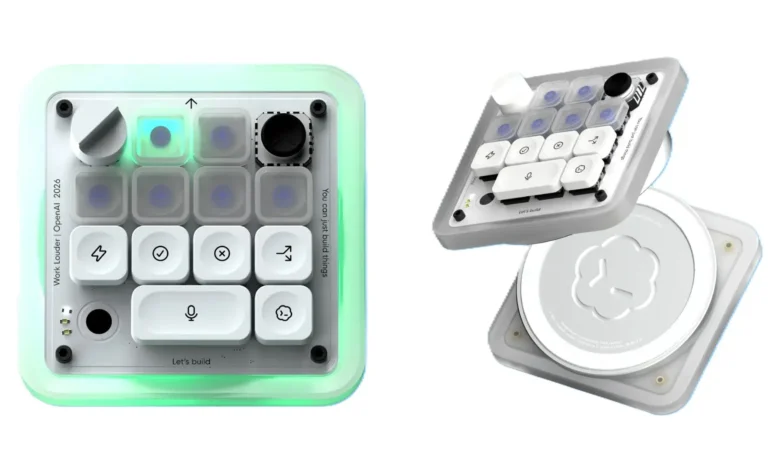
OpenAI has introduced a groundbreaking new device, the Codex Micro, a limited-edition physical keyboard engineered to serve as a dedicated control center for AI agents. Moving beyond the conventional keyboard’s role, the Codex Micro is conceptualized as a hub that empowers users to manage multiple AI agents seamlessly through specialized, tactile buttons. This innovative hardware represents OpenAI’s vision for a more intuitive and integrated human-AI interaction paradigm, potentially reshaping how individuals engage with increasingly sophisticated artificial intelligence systems.
The Evolving Landscape of AI Agents and the Need for Dedicated Control
The advent of powerful AI models has led to a proliferation of specialized AI agents, each designed to perform specific tasks. From content creation and data analysis to complex problem-solving and personalized assistance, these agents are becoming indispensable tools across various professional and personal domains. However, as the number and complexity of these agents grow, so does the challenge of managing them effectively. The current paradigm often involves navigating through multiple software interfaces, switching between applications, or relying solely on voice commands, which can be cumbersome and inefficient when dealing with a multitude of AI entities simultaneously.
OpenAI’s rationale behind the Codex Micro stems directly from this evolving landscape. The company anticipates a future where users will not be limited to interacting with a single chatbot or virtual assistant. Instead, individuals are expected to deploy and manage numerous AI agents concurrently, each tailored for distinct functions. This necessitates a more streamlined and accessible method for monitoring, commanding, and coordinating these AI assistants. The Codex Micro aims to fulfill this need by offering a tangible, physical interface that provides a more direct and responsive form of control.
Codex Micro: Bridging the Gap Between Physical and Digital AI Management
The Codex Micro distinguishes itself from standard keyboards through its dedicated array of specialized buttons. These buttons are not merely alphanumeric keys; they are designed to function as shortcuts and command triggers for AI agents. This allows users to initiate tasks, switch between active agents, adjust parameters, or receive status updates without the need to constantly switch focus between different software windows or applications. This approach offers a significant advantage by providing a physical, tactile feedback loop, a sensation that is often absent in purely screen-based or voice-driven interactions with AI.
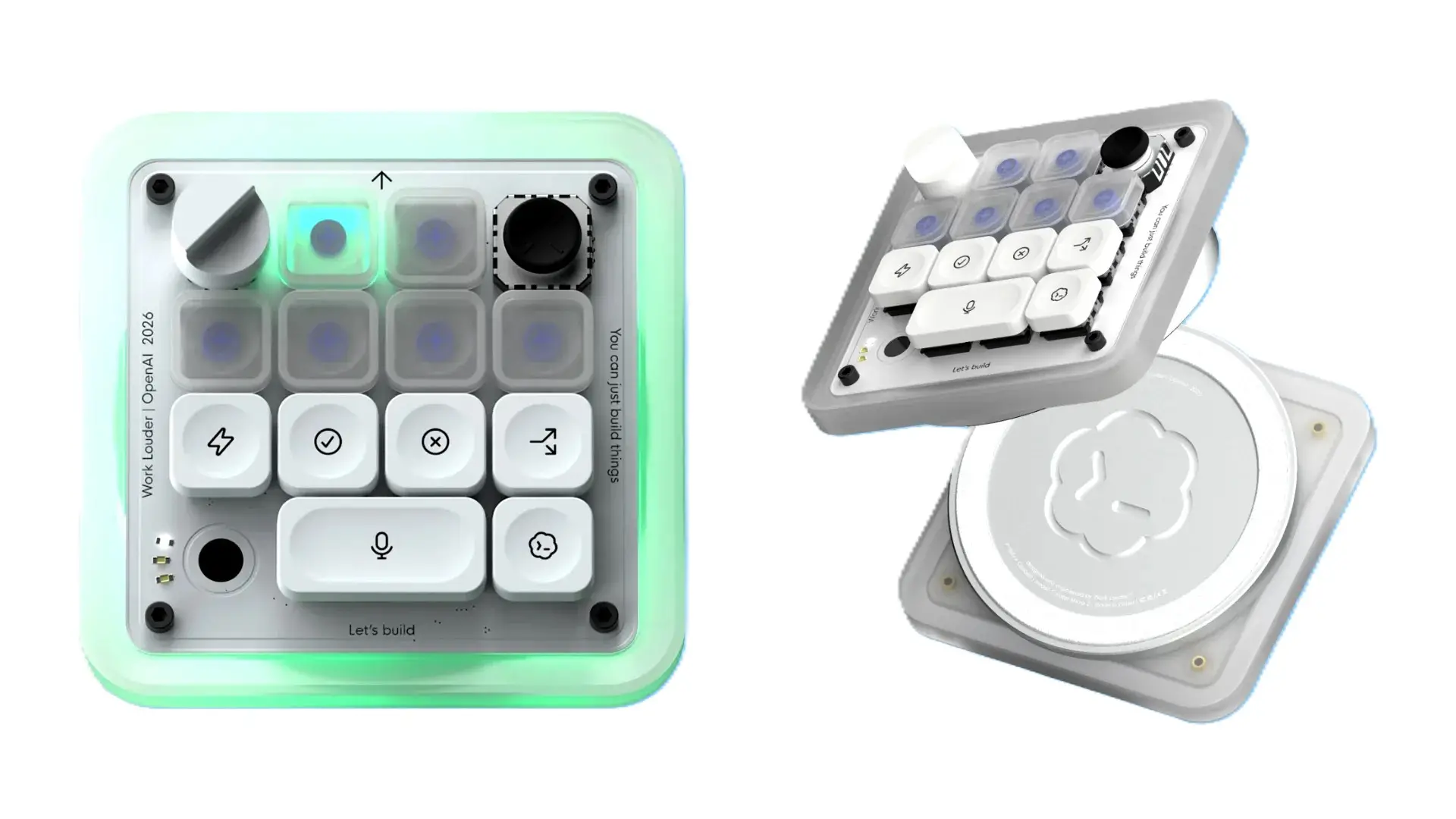
OpenAI has described the Codex Micro as a means to intuitively control an "AI fleet." This evocative phrasing underscores the device’s potential to empower users with a centralized command center for their AI ecosystem. While the product is presented as an experimental initiative, its very existence signals OpenAI’s commitment to exploring hardware solutions that complement their software advancements. The goal is to make interaction with AI not only faster and more practical but also more natural and less cognitively demanding.
Genesis of the Codex Micro: A Glimpse into OpenAI’s Hardware Exploration
The development of the Codex Micro appears to be a strategic move by OpenAI to probe the intersection of artificial intelligence and physical computing. While the company is predominantly recognized for its prowess in AI model development, such as the GPT series and DALL-E, this foray into hardware suggests a broader vision for the future of human-AI integration. This is not an entirely unprecedented direction for technology giants; many have explored dedicated hardware for specific computing tasks to enhance user experience and efficiency.
The genesis of such a device can be traced back to the increasing sophistication of AI agents and the growing awareness of user interface limitations in managing them. Early forms of AI interaction were largely command-line based, evolving to graphical user interfaces (GUIs) and then to conversational interfaces. The Codex Micro represents a potential next step, a "haptic interface" for AI, offering a blend of the precision of physical controls with the power of advanced AI.
Although specific details regarding the timeline of its development remain undisclosed, the introduction of Codex Micro in mid-2026 likely follows extensive research and prototyping phases within OpenAI’s innovation labs. The choice to release it as a limited-edition, experimental device indicates a cautious yet deliberate approach to gauging market reception and user feedback before considering wider commercialization.
Potential Features and Functionality: Beyond a Standard Keyboard
While the exact specifications of the Codex Micro are still emerging, its conceptual design points towards several key functionalities:

- Dedicated Agent Control Buttons: These buttons could be programmable to directly activate or switch between specific AI agents. For instance, one button might be assigned to a writing assistant, another to a data analysis tool, and a third to a research agent.
- Task Initiation and Parameter Adjustment: Users could potentially use the keyboard to initiate predefined tasks for their agents or adjust parameters such as tone, length, or focus for AI-generated content.
- Status Monitoring and Notifications: Specialized indicators or small integrated displays on the keyboard might provide real-time updates on the status of active AI agents, such as completion of tasks or pending requests.
- Contextual Switching: The keyboard could intelligently switch context based on the active AI agent, remapping certain keys to relevant functions for that specific AI.
- Customization and Personalization: The limited-edition nature suggests a focus on advanced users and early adopters who would appreciate the ability to deeply customize the keyboard’s layout and functionality to their workflow.
The "micro" in Codex Micro could also allude to its form factor – potentially a more compact or specialized layout than a full-sized keyboard, prioritizing the most crucial AI control functions. This would align with the idea of a dedicated control surface rather than a general-purpose input device.
Broader Impact and Implications: Reshaping the Future of Work and Interaction
The introduction of the Codex Micro, even as an experimental device, carries significant implications for the future of human-computer interaction and the way we work with AI:
- Enhanced Productivity: By providing a more direct and efficient means of controlling AI agents, the Codex Micro could drastically improve productivity for professionals who heavily rely on AI tools. Reducing the friction of interface switching and command execution can lead to substantial time savings.
- Democratization of Advanced AI Control: While initially a limited edition, the underlying concept could pave the way for more accessible hardware solutions that empower a wider range of users to leverage the full potential of AI agents, moving beyond purely software-based interactions.
- The Rise of Haptic AI Interfaces: This initiative signals a potential shift towards a greater emphasis on physical interfaces for AI. As AI becomes more deeply integrated into our lives, tactile feedback and physical controls may become as important as visual and auditory cues.
- OpenAI’s Strategic Positioning: The development of such hardware demonstrates OpenAI’s ambition to be a comprehensive leader in the AI ecosystem, not just in model development but also in shaping the user experience and the tools that facilitate AI interaction.
- Potential for New Form Factors: The success of the Codex Micro could inspire a new category of specialized input devices tailored for AI, leading to further innovation in ergonomic and functional keyboard designs.
However, the question remains whether this dedicated hardware will truly revolutionize user interaction or if advancements in software interfaces and natural language processing will render such physical controllers obsolete. As one commentator posed, "Are specialized keyboards like the Codex Micro truly going to ease work, or are on-screen applications already more than enough?" This debate highlights the ongoing evolution of how humans and machines collaborate.
The Road Ahead: From Experiment to Mainstream Integration?
The journey of the Codex Micro from an experimental concept to a widely adopted product will depend on several factors. User feedback from the limited release will be crucial in identifying its strengths and weaknesses. OpenAI will need to demonstrate clear advantages over existing software-based management solutions. Furthermore, the cost and accessibility of the device will play a significant role in its potential for mainstream adoption.
The development of the Codex Micro is a compelling indicator of OpenAI’s forward-thinking approach. It suggests a future where interacting with artificial intelligence is not just about querying a system but about actively conducting and orchestrating a symphony of intelligent agents. As this technology matures, we may witness a fundamental shift in how we perceive and utilize AI, moving from passive consumers of AI services to active directors of intelligent digital collaborators. The limited edition Codex Micro is more than just a keyboard; it’s a tangible manifestation of OpenAI’s vision for the next era of human-AI synergy.