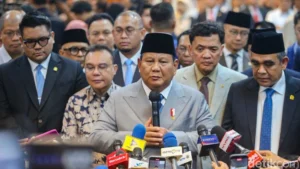
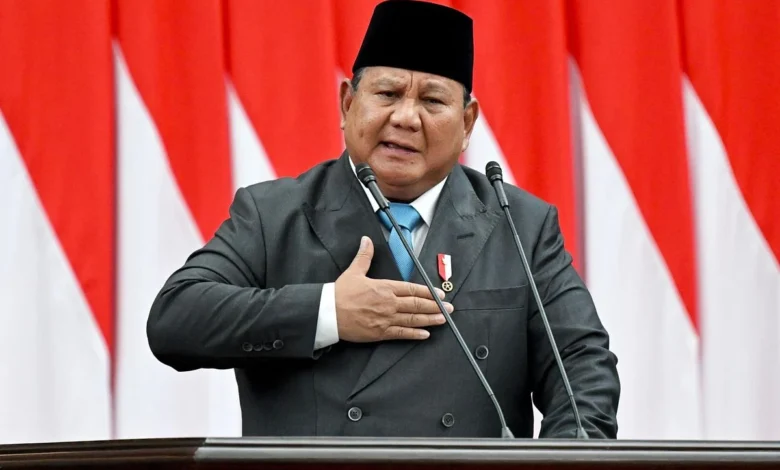
President Prabowo Subianto’s high-level engagement with Henry Fernandez, the CEO of MSCI Inc., has emerged as a pivotal turning point for Indonesia’s financial markets. The meeting, which addressed the potential reclassification of the Indonesian capital market, has successfully mitigated investor anxiety and provided a much-needed catalyst for the strengthening of the Indonesian Rupiah. As global markets grapple with heightened geopolitical volatility and persistent uncertainty, this diplomatic intervention by the head of state serves as a stabilization mechanism, signaling to the international investment community that the Indonesian government is deeply committed to maintaining its status within global indices.
The Threat of Reclassification: Understanding the MSCI Context
The MSCI (Morgan Stanley Capital International) indices are the industry benchmark for global institutional investors. A reclassification from an "Emerging Market" to a "Standalone Market" would have been a significant blow to Indonesia’s financial standing. Such a move would necessitate the divestment of Indonesian assets from passive investment funds that track MSCI indices, potentially triggering massive capital outflows and liquidity shocks.
The consultation process initiated by MSCI was driven by concerns regarding market accessibility, foreign ownership limits, and regulatory transparency. For a nation like Indonesia, which relies on consistent foreign direct investment (FDI) and portfolio inflows to fuel economic development, maintaining its position in the MSCI Emerging Markets index is not merely a symbolic victory but a strategic economic necessity. The meeting between President Prabowo and Mr. Fernandez was therefore not just a formality; it was a high-stakes negotiation intended to preserve the country’s attractiveness to international institutional capital.
Chronology of Market Turbulence and Diplomatic Intervention
The timeline of these events began with MSCI’s announcement of a review regarding the classification of Indonesia. In the weeks leading up to the meeting, the local stock exchange experienced bouts of volatility, with foreign investors adopting a "wait and see" approach. The threat of a downgrade cast a shadow over the Jakarta Composite Index (JCI), leading to concerns that Indonesia might be relegated to the same category as less liquid, frontier markets.
Upon recognizing the systemic risk, President Prabowo prioritized direct communication with the leadership of MSCI. The meeting, held in Jakarta, focused on addressing the specific regulatory barriers that MSCI had highlighted in its consultation papers. According to reports from Bloomberg, the constructive nature of the dialogue led MSCI to reconsider the necessity of a downgrade, with the index provider signaling that alternative solutions—focused on incremental policy improvements rather than punitive reclassification—were on the table.
Economic Impact: The Rupiah’s Resilience
The immediate aftermath of the meeting saw a notable shift in market sentiment. The Indonesian Rupiah, which had been under pressure due to the strengthening of the US Dollar and global risk-off sentiment, began to show signs of renewed strength. The currency’s appreciation is being viewed by market analysts as a direct response to the perceived reduction in sovereign risk.
Erwin Gunawan Hutapea, Head of the Monetary Management and Securities Assets Department at Bank Indonesia (BI), emphasized that the stability of the Rupiah is not merely accidental. Despite the prevalence of "risk-off" sentiments globally, the Indonesian financial system has demonstrated remarkable resilience. This resilience is attributed to a combination of strong portfolio inflows and the strategic deployment of Bank Indonesia’s liquidity management instruments. By optimizing the management of foreign exchange reserves, the central bank has provided a buffer against external shocks, ensuring that the currency remains anchored even during periods of global financial turbulence.
Analysis of the Financial Implications
The potential transition from a threat of downgrade to a collaborative path forward has profound implications for Indonesia’s economic outlook. First, it restores confidence among institutional investors who rely on MSCI indices to allocate their global portfolios. By avoiding a "Standalone" status, Indonesia ensures that it remains a core component of regional emerging market funds, which manage billions of dollars in assets.
Second, the engagement demonstrates a proactive approach to economic diplomacy. In an era where global liquidity is becoming increasingly selective, emerging markets must compete not only on growth metrics but also on market friendliness and transparency. The Indonesian government’s willingness to engage directly with index providers indicates a shift toward a more transparent, investor-centric regulatory framework.
Third, the strengthening of the Rupiah provides relief to the domestic economy by reducing the cost of imports and tempering inflationary pressures. For a nation that imports a significant portion of its capital goods and fuel, a stable and robust Rupiah is essential for maintaining macroeconomic stability and supporting the government’s ambitious growth targets for the coming fiscal year.
Official Responses and Future Policy Direction
Bank Indonesia has reiterated its commitment to maintaining monetary stability in the face of persistent external uncertainty. While the meeting between President Prabowo and Mr. Fernandez provided a significant boost, the central bank remains vigilant. The global economic environment, characterized by fluctuating US Federal Reserve policy and shifting geopolitical dynamics, continues to pose challenges.
In his statement, Erwin Gunawan Hutapea noted that the "portfolio inflows" are a testament to the underlying health of the Indonesian economy. He stated that the central bank would continue to utilize its monetary tools to manage volatility, emphasizing that the focus remains on long-term sustainability rather than short-term gains. The government is also expected to accelerate structural reforms in the financial sector, potentially addressing the specific points raised by MSCI to ensure that the "Emerging Market" status is not only maintained but strengthened over the long term.
Strategic Outlook: Beyond the MSCI Review
The dialogue with MSCI is part of a broader, long-term strategy for Indonesia’s integration into the global financial system. As the country aims to reach "high-income" status, the sophistication of its capital markets will become increasingly important. The reliance on MSCI indices is a necessary step, but the ultimate goal is to build a market that is deep, liquid, and sufficiently transparent to attract long-term capital regardless of index classification.
The government’s proactive stance sends a clear message to the international community: Indonesia is open for business and willing to adapt its regulatory landscape to meet global standards. This commitment is expected to pay dividends as investors reassess their emerging market allocations. By demonstrating that it can successfully navigate challenges from global index providers, Indonesia is positioning itself as a more reliable and mature player in the global financial arena.
Conclusion
The encounter between President Prabowo Subianto and Henry Fernandez serves as a landmark event in the recent history of Indonesia’s financial markets. By successfully addressing the concerns of a major index provider, the government has not only avoided a potential market downgrade but has also bolstered investor confidence at a critical time. The subsequent strengthening of the Rupiah and the stabilization of the stock market are indicators that the international market has responded positively to this diplomatic effort.
As the situation evolves, the focus will likely shift toward the implementation of the reforms discussed during the meeting. The collaboration between the Indonesian government, Bank Indonesia, and global stakeholders like MSCI will be instrumental in ensuring that Indonesia’s capital market continues to grow, attract capital, and support the nation’s broader economic objectives. While external uncertainties remain, the events of the past few days underscore the power of decisive leadership and effective communication in maintaining financial stability in an increasingly interconnected global economy.
The path ahead requires continued vigilance and a steadfast commitment to the structural improvements necessary to meet the demands of the modern financial landscape. With the immediate threat of a downgrade significantly reduced, the focus must now turn to leveraging this momentum to enhance the depth, breadth, and overall competitiveness of the Indonesian financial market. This episode serves as a powerful reminder that in the global financial order, perception is often as important as performance, and that proactive engagement is the key to maintaining a seat at the table of the world’s most significant emerging economies.