Polda Metro Jaya Set to Reveal Forensic Results of Sutrimo Exhumation Amid High-Profile Investigation

The investigation into the death of Sutrimo, an individual identified as the former household head (Karumga) for the ex-Junior Attorney General for Special Crimes (Jampidsus) of the Attorney General’s Office, Febrie Adriansyah, is approaching a critical juncture. Officials from the Jakarta Metropolitan Police (Polda Metro Jaya) have confirmed that the final forensic results concerning the exhumation of the deceased are nearing completion and will be publicly disclosed in the immediate future. This development marks a significant milestone in a case that has garnered intense national attention due to the high-profile nature of the individuals involved and the surrounding allegations of procedural irregularities.
The Forensic Process and Scientific Rigor
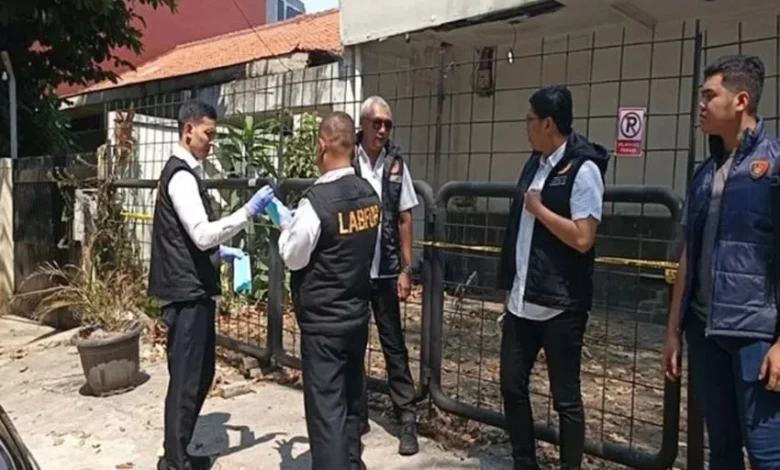
Dirreskrimum Polda Metro Jaya, Kombes Pol Iman Imanuddin, provided clarity regarding the status of the investigation on Saturday, September 12, 2026. He indicated that the police are currently coordinating closely with the National Police’s Forensic Laboratory (Puslabfor) to finalize the analytical reports. According to Iman, the complexity of the laboratory testing—which involved a vast array of biological samples collected during the exhumation—necessitated a methodical and time-consuming approach.
"We are ensuring that the final laboratory results regarding the samples taken during the exhumation are scientifically sound and beyond reproach," Iman stated. He emphasized that the objective of the delay was not administrative, but rather to ensure that the findings could be rigorously defended in a court of law. The necessity for such specificity stems from the fact that an exhumation, by definition, deals with remains that have undergone significant post-mortem changes, requiring advanced toxicological and pathological analysis to reach a conclusive finding regarding the cause of death.
Chronology of the Exhumation
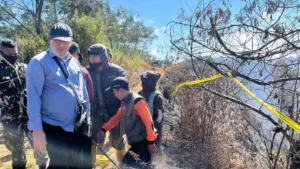
The exhumation of Sutrimo’s remains took place on Wednesday, August 12, 2026, in a coordinated operation that began at 09:30 WIB and lasted until approximately 13:00 WIB. The operation was a massive undertaking, involving multiple agencies to ensure total transparency and interdisciplinary cooperation. The participating units included investigators from Polda Metro Jaya, support from the Central Java Regional Police (Polda Jawa Tengah), the Indonesian Association of Forensic Medicine (PDFMI), the National Police Forensic Laboratory, and various academic experts from leading medical institutions.
The decision to conduct an exhumation reflects a strategic shift in the investigative focus. By moving from a preliminary investigation to a full-scale forensic autopsy, authorities are attempting to reconstruct the final hours of the deceased’s life. The process is a standard but sensitive legal procedure in Indonesia, governed by the Criminal Procedure Code (KUHAP), which allows for the disinterment of a body if it is deemed essential for the administration of justice.
Escalation of the Case and Jurisdictional Transfer
The case, which originated from initial reports filed with the Criminal Investigation Agency (Bareskrim) of the National Police and the Banyumas City Police, was eventually consolidated under the authority of Polda Metro Jaya. This move was widely interpreted by legal observers as a sign of the case’s gravity. By centralizing the investigation in Jakarta, the authorities have signaled that the case requires specialized investigative resources and a higher degree of oversight.
Despite the case being elevated to the investigation (penyidikan) stage—which legally implies that a criminal event has occurred—the police have yet to name any suspects. The investigation remains in a state of "discovery," where the collection of forensic evidence is expected to dictate the next steps, including the potential identification of individuals who may be held criminally liable.
Contextual Background and Public Interest
The public fascination with the death of Sutrimo is inextricably linked to his professional association with Febrie Adriansyah, the former Jampidsus of the Attorney General’s Office. In the landscape of Indonesian law enforcement, the Jampidsus office is responsible for handling high-stakes corruption cases, often involving significant political figures and massive state financial losses. Given this proximity, any untoward event involving members of the Jampidsus’s personal or professional staff inevitably triggers widespread speculation regarding potential retaliation, internal sabotage, or foul play.
Legal experts have frequently weighed in on the necessity of this forensic scrutiny. As noted by various observers, the absence of a clear cause of death in the initial stages of a high-profile case creates a vacuum that is often filled by misinformation. The forensic report from Puslabfor is therefore expected to serve as the "gold standard" document that will either corroborate or dispel various theories that have circulated in the media over the past several months.
Implications of the Forensic Findings
The upcoming disclosure by Polda Metro Jaya carries significant weight for several reasons. First, it will serve as the definitive account of whether Sutrimo’s death was the result of natural causes, an accident, or a criminal act. Should the findings suggest foul play, the police will be pressured to pivot immediately toward a search for perpetrators, potentially leading to a series of high-level interviews and interrogations.
Second, the case acts as a litmus test for the transparency of the National Police. In recent years, the institution has faced public pressure to modernize its investigative techniques and maintain neutrality in cases that touch upon the interests of the political and legal elite. The involvement of independent academic and forensic bodies like PDFMI is a calculated move to insulate the police from accusations of bias.
Finally, the implications for the reputation of the individuals associated with the case are immense. If the autopsy reveals nothing suspicious, the investigation may be closed, though it will leave behind a legacy of scrutiny. If it reveals evidence of a crime, it could trigger a wider probe into the security and circumstances surrounding the personnel of the Attorney General’s Office.
Technical Challenges in Post-Mortem Analysis
Forensic experts have pointed out that conducting an autopsy on an exhumed body presents unique challenges compared to a fresh autopsy. Decomposition affects the reliability of certain toxicological tests, particularly those involving volatile substances. However, the use of advanced histopathology and specialized chemical testing can often yield results even after a significant period of interment. The fact that the police have taken several weeks to release the findings highlights the complexity of analyzing these degradation-sensitive samples.
The laboratory team is reportedly looking for signs of exogenous substances, such as toxins or heavy metals, that would not be present in a natural death scenario. They are also examining tissue samples for signs of physical trauma that may have been missed during the initial inspection of the body before burial.
Looking Ahead
As the nation awaits the final announcement from Polda Metro Jaya, the legal community remains in a state of anticipation. The police have maintained a disciplined silence regarding the preliminary findings, refusing to engage with speculation until the official report is signed and verified. This adherence to protocol is intended to prevent the compromise of the investigation and to ensure that when the results are released, they are final.
For the family of the deceased, the conclusion of this forensic process represents a long-awaited answer. For the public, it represents a moment of clarity in a case that has been shrouded in mystery. The transparency with which the police deliver these findings will likely determine the level of public trust in the conclusion of the Sutrimo case.
As of the current date, no specific day has been set for the press conference, but officials have reiterated that it will be in the "near future." The investigative team continues to compile the final dossier, which will be submitted to the prosecution once the laboratory results are integrated. This procedural step will ultimately decide whether the case proceeds to a formal trial, marking the final chapter in a saga that has captivated the Indonesian public throughout the year 2026. The findings will be scrutinized not just by the legal authorities, but by a public eager to understand the truth behind the death of a man whose role placed him at the heart of the nation’s legal administration.