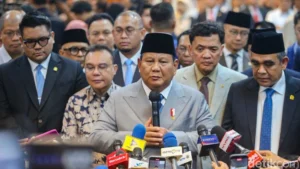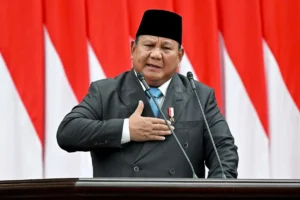
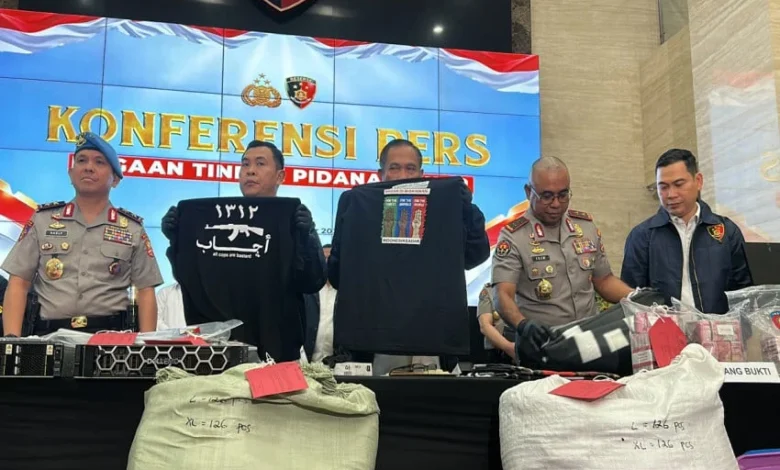
The Indonesian National Police’s Criminal Investigation Department (Bareskrim Polri) has significantly ramped up its efforts to dismantle an alleged treasonous conspiracy targeting the administration of President Prabowo Subianto. In a high-profile press briefing held at the National Police Headquarters in Jakarta on Monday, November 23, 2026, Kabareskrim Polri Commissioner General Asep Safrudin unveiled crucial evidence, including confiscated funds, linked to six high-ranking suspects currently in custody. The case has sent shockwaves through the national security apparatus, as the list of suspects includes former National Police Chief General Listyo Sigit Prabowo and several active-duty senior officers.
The Scope of the Investigation
The ongoing investigation has identified a network of six primary suspects, marking one of the most sensitive internal security crises in recent Indonesian history. Those named in the case include the former National Police Chief, General Listyo Sigit Prabowo (LSP), along with high-ranking officers Irjen Ahrie Sonta Nasution (ASN), Irjen Slamet Uliandi (SU), Irjen Eko Hadi (EH), Brigjen Tedjo Kusumo (TK), and Kombes Iman Imanuddin (II).
During the press conference, Commissioner General Asep Safrudin addressed the media while surrounded by physical evidence—specifically, a significant amount of cash—which investigators allege was used to finance the operational activities of the group. According to preliminary findings, the funds were funneled through Irjen Ahrie Sonta Nasution (ASN), who acted as a key facilitator for the financial logistics of the alleged plot. "The funds displayed today were obtained by suspect ASN from other suspects involved in this case. The money was intended to finance their operational activities. The operation was clearly supported by the other individuals named as suspects," Asep stated.
Chronology of the Alleged Conspiracy
Investigations into the conspiracy have revealed that the planning stages for these actions were initiated well before the formal inauguration of President Prabowo Subianto. Analysts and investigators suggest that the "pemufakatan makar" or treasonous pact was part of a calculated effort to undermine the transition of power.
The timeline of the plot reportedly dates back to the months preceding the official swearing-in ceremony of the President. Intelligence reports and digital forensic evidence collected by Bareskrim suggest that the group held a series of clandestine meetings designed to coordinate a challenge against the legitimacy of the new administration. The sophistication of the planning, involving high-ranking police personnel, suggests an attempt to utilize institutional influence to destabilize the political landscape. By the time the investigation gained momentum, authorities had identified a clear pattern of coordination between the suspects, characterized by private communications and the movement of operational funds.
Addressing Speculation and Financial Sources
One of the most persistent rumors surrounding the case has been the origin of the funding. In the immediate aftermath of the arrests, public speculation suggested that the financial backing for the treasonous plot might have been linked to illegal mining operations or shadow economic activities, a common concern in high-stakes political corruption cases in Indonesia.
However, Commissioner General Asep Safrudin took a definitive stance during the press briefing to mitigate these rumors. "We have investigated the sources of these funds thoroughly. Based on the evidence gathered thus far, there is no factual basis or testimony to support the theory that this money originates from mining activities," Asep clarified. By dismissing the mining link, the police have narrowed the scope of the investigation, focusing instead on internal misappropriation and private contributions intended to bolster the alleged subversive activities.
Institutional Implications and Police Integrity
The involvement of a former National Police Chief, General Listyo Sigit Prabowo, presents a unique challenge to the Indonesian National Police (Polri). This development places the institution in a precarious position, necessitating a display of impartiality and transparency to maintain public trust. For the current leadership of the Polri, this investigation is not merely a criminal matter but a test of internal discipline and the integrity of the force.
Legal experts have noted that treason (makar) is a grave offense under the Indonesian Criminal Code (KUHP). Article 107 of the Criminal Code prescribes severe penalties for those attempting to overthrow the government or undermine the authority of the state. The fact that the suspects are senior law enforcement officials adds a layer of complexity to the prosecution, as the state must demonstrate that no individual, regardless of their rank or former position, is above the law.
Broader Political and Security Impact
The political climate in Indonesia following the election of President Prabowo has been defined by efforts to consolidate power and ensure stability. The discovery of a treason plot involving former police leadership suggests that the transition period faced significant internal resistance. This case highlights the necessity for ongoing vigilance within the security sector to prevent the politicization of law enforcement agencies.
Furthermore, the public perception of the National Police is heavily dependent on the transparency of this trial. The government’s willingness to prosecute its own high-ranking officers serves as a signal that the administration is committed to curbing potential threats from within the security establishment. As the legal proceedings move forward, the focus will likely shift toward the discovery of additional evidence, the potential expansion of the suspect list, and the eventual trial where the prosecution will have to prove the intent and execution of the alleged treasonous pact.
The Role of Evidence and Future Proceedings
As the case proceeds to the Attorney General’s Office, the evidentiary standard will be critical. The confiscated funds serve as a "smoking gun" in terms of showing intent and coordination, but the prosecution must link these financial movements directly to specific acts of treason. The role of the six suspects, particularly the varying degrees of involvement between the former Chief of Police and the active-duty officers, will be dissected in detail.
The legal process is expected to be lengthy, given the status of the accused. The defense teams for the suspects are likely to contest the characterization of their actions as "treason," potentially arguing that their activities were within the scope of political discourse or internal institutional dissent. However, the police maintain that the evidentiary threshold for "makar" has been met through the combination of financial records, communication logs, and witness testimonies.
Conclusion
The investigation into the alleged treason against President Prabowo Subianto represents a critical moment for the rule of law in Indonesia. By investigating and naming high-ranking figures, including a former National Police Chief, the Bareskrim Polri has demonstrated a commitment to holding institutional actors accountable. The case serves as a reminder of the volatility inherent in political transitions and the necessity of maintaining the neutrality of state security forces.
As the case continues to develop, the public remains attentive to the findings of the police. The resolution of this matter will likely have long-term implications for the governance of the police force and the broader security architecture of the country. For now, the focus remains on the judicial process and the promise of the authorities to provide further clarity as the investigation reaches its final stages. The government’s ability to navigate this internal security threat without compromising the integrity of its institutions will remain a defining feature of the early years of the current presidential term.