Nutritional Transitions and Dietary Strategies for Toddlers A Comprehensive Guide to Healthy Eating Habits for One Year Olds

The first birthday of a child represents more than just a celebratory milestone; it marks a pivotal shift in pediatric nutrition and physiological development. As infants transition into their toddler years, their dietary requirements evolve from the homogenous textures of purees and soft mashes to a diverse array of solid foods often referred to as "family table foods." This transition is critical for ensuring optimal cognitive development, physical growth, and the establishment of long-term eating habits. Nutritionists and pediatricians emphasize that at twelve months of age, children should ideally consume nutrient-dense meals that mirror adult diets in variety, albeit adjusted for safety and portion size.

The Developmental Chronology of Feeding Textures
The transition to solid foods is a phased process that begins at six months with exclusive breastfeeding or formula being supplemented by soft solids. By the age of one, the child’s oral motor skills have typically progressed to the point where they can manage complex textures. This developmental stage is characterized by the "munching" motion and the beginning of more refined chewing. Introducing varied textures, such as the difference between mashed potatoes and roasted potatoes, is not merely about nutrition; it is a sensory exercise that helps prevent tactile defensiveness and picky eating later in life.
According to global health guidelines, including those from UNICEF and the World Health Organization (WHO), the introduction of "finger foods" is essential at this stage. These are small, bite-sized pieces that a child can pick up independently. This practice fosters fine motor coordination and encourages self-regulation, as the child learns to recognize internal cues of hunger and satiety.

Strategic Approaches to Toddler Nutrition
To ensure a successful transition to adult-style meals, parents are encouraged to adopt several strategic approaches:
1. Integration of Basic Food Groups
At one year old, a child’s plate should represent the fundamental pillars of human nutrition: vegetables, fruits, grains (bread, cereals, or pasta), proteins, and dairy. By consuming the same basic groups as their parents, toddlers begin to identify with the family’s culinary culture, which simplifies meal preparation and ensures a balanced intake of macronutrients and micronutrients.

2. The Concept of the "Food Rainbow"
Visual appeal plays a significant role in pediatric appetite. Implementing a "food rainbow" involves serving a variety of colorful fruits and vegetables. Beyond aesthetics, these colors often represent different phytochemicals and antioxidants. For instance, orange vegetables like carrots and pumpkins are high in beta-carotene, while dark greens provide iron and folate. If a child rejects a specific preparation method, such as steamed cauliflower, experts suggest trying alternative cooking techniques like roasting or air-frying to alter the flavor profile and texture, thereby increasing the likelihood of acceptance.
3. Fostering Independence through Self-Feeding
Psychologically, toddlers are in a stage of developing autonomy. Allowing a child to use a spoon or their hands—while messy—is vital for their confidence. Providing snacks that are easy to grip, such as sliced bananas or steamed broccoli florets, empowers the child and reduces mealtime power struggles.
4. Safety and Size Regulation
Despite their increased capabilities, one-year-olds remain at high risk for choking. The "rule of thumb" for toddler food is to ensure that items are cut into small, manageable pieces. Spherical foods like blueberries, grapes, and cherry tomatoes should always be halved or quartered lengthwise to prevent them from blocking the airway.
Nutritional Powerhouses for the One-Year-Old Diet
As toddlers become more active, their caloric and nutrient needs increase. Certain foods are particularly beneficial during this high-growth phase:

Poultry and Lean Meats: Chicken serves as an excellent source of high-quality protein and Vitamin B6, which is essential for energy metabolism. Research published in Food & Nutrition Research indicates that poultry consumption as part of a balanced diet supports better overall health outcomes in early childhood. Red meat, when cooked until tender and finely diced, provides heme iron, which is more easily absorbed by the body than plant-based iron, supporting brain development and oxygen transport in the blood.
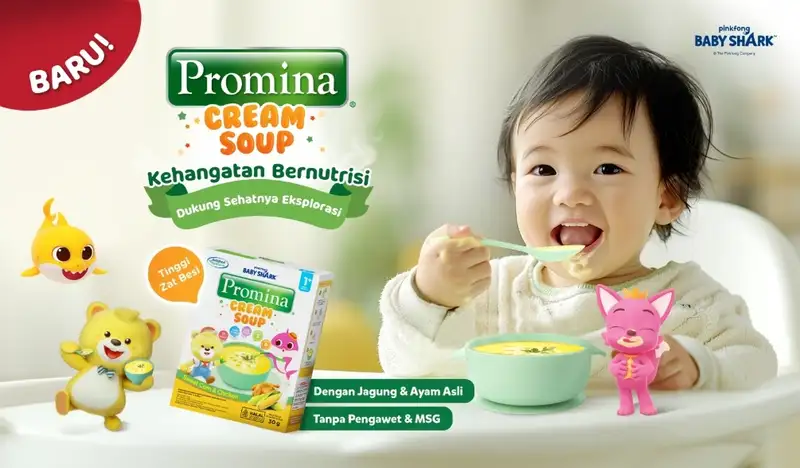
Fortified Grains and Corn: Corn is a versatile cereal grain that provides essential carbohydrates. Studies from Current Developments in Nutrition highlight that fortified cereal-based foods help mitigate risks of anemia and Vitamin A deficiency in toddlers. In the commercial sector, products such as Promina Cream Soup have emerged as practical options for parents. Formulated for children aged one and older, this specific soup utilizes real chicken and sweet corn, avoiding MSG and artificial preservatives while being enriched with 11 vitamins, Omega 3, Omega 6, and iron. Its soft texture is designed to bridge the gap between purees and solids.

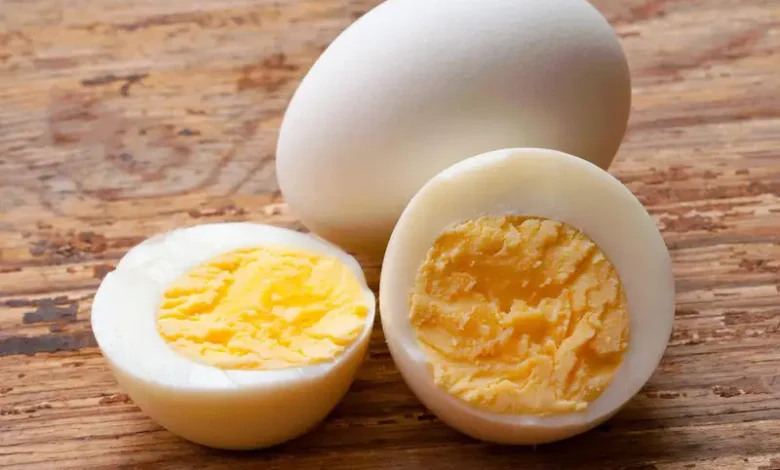
Eggs and Choline: Eggs are often cited as a "superfood" for toddlers. The whites provide protein, while the yolks contain zinc and vitamins A, D, E, and B12. Crucially, yolks are rich in choline, a nutrient vital for the structural integrity of cell membranes and neurotransmitter synthesis, which directly impacts memory and cognitive function.
Healthy Fats: Avocado and Fish: Fat is a primary energy source for toddlers, accounting for nearly 40-50% of their daily caloric needs until age two. Avocados offer monounsaturated fats that support heart health. Similarly, fish—particularly fatty varieties like salmon or local mackerel—provide Omega-3 fatty acids (DHA and EPA), which are fundamental for retinal development and neural signaling.

Dairy and Probiotics: Yogurt and cheese are essential for bone density due to their calcium and phosphorus content. Yogurt also introduces beneficial bacteria (probiotics) to the developing gut microbiome, enhancing digestive health and immune response. Experts recommend full-fat versions of these products, as the lipids are necessary for brain growth.
Critical Exclusions: Foods to Avoid
While variety is encouraged, certain foods pose significant health and safety risks to one-year-olds:

- Raw Vegetables: Hard textures like raw carrots or celery are difficult for toddlers to grind with their limited primary teeth, posing a severe choking hazard.
- Whole Grapes and Popcorn: The shape and consistency of these items make them common culprits in pediatric emergency rooms. Popcorn hulls can also irritate the throat or get stuck in the teeth.
- Canned Fruits in Syrup: These products often contain excessive added sugars and lack the fiber found in fresh fruit. Furthermore, there is a marginal but serious risk of Clostridium botulinum contamination in improperly processed canned goods.
- Chocolate and Caffeine: Chocolate contains stimulants like theobromine and caffeine, which can disrupt sleep patterns and cause irritability in small children.
- Low-Fat Milk: Until the age of two, children should not be given low-fat or skim milk unless advised by a doctor, as they require the concentrated calories and fats found in whole milk for nervous system insulation (myelinization).
Analysis of Implications: The First 1,000 Days
The focus on nutrition at age one is part of a broader global health initiative known as the "First 1,000 Days." This window—from conception to the second birthday—is recognized as a unique period of opportunity where the foundations of optimum health, growth, and neurodevelopment across the lifespan are established.
Data suggests that nutritional deficiencies during this period can lead to irreversible stunting, both physically and cognitively. By introducing a diverse, iron-rich, and energy-dense diet at age one, parents are not just feeding a child; they are conducting a biological intervention that can influence the child’s academic performance, immune resilience, and even their risk of metabolic diseases in adulthood.

Sample Daily Menu for a One-Year-Old
To translate these nutritional theories into practice, a typical day for a toddler weighing approximately 9.5 kg might include:
- Breakfast: Half a cup of iron-fortified cereal or one scrambled egg, served with a small portion of fruit (such as mashed berries) and half a cup of whole milk.
- Morning Snack: Half a slice of whole-wheat toast with a thin layer of avocado or peanut butter.
- Lunch: A small bowl of chicken and vegetable soup (or Promina Cream Soup) paired with soft-cooked pasta or brown rice.
- Afternoon Snack: A small serving of plain, full-fat yogurt mixed with sliced bananas.
- Dinner: Finely minced red meat or flaked fish (deboned) with a side of steamed sweet potato and well-cooked green beans.
In conclusion, the second year of life is a transformative period for a child’s relationship with food. By prioritizing nutrient density, experimenting with textures, and maintaining a vigilant eye on safety, parents can ensure that their children move beyond the phase of purees into a world of diverse, healthy, and flavorful nutrition. This proactive approach to feeding is an investment in the child’s future, fostering a healthy metabolism and a sophisticated palate that will serve them for decades to come.